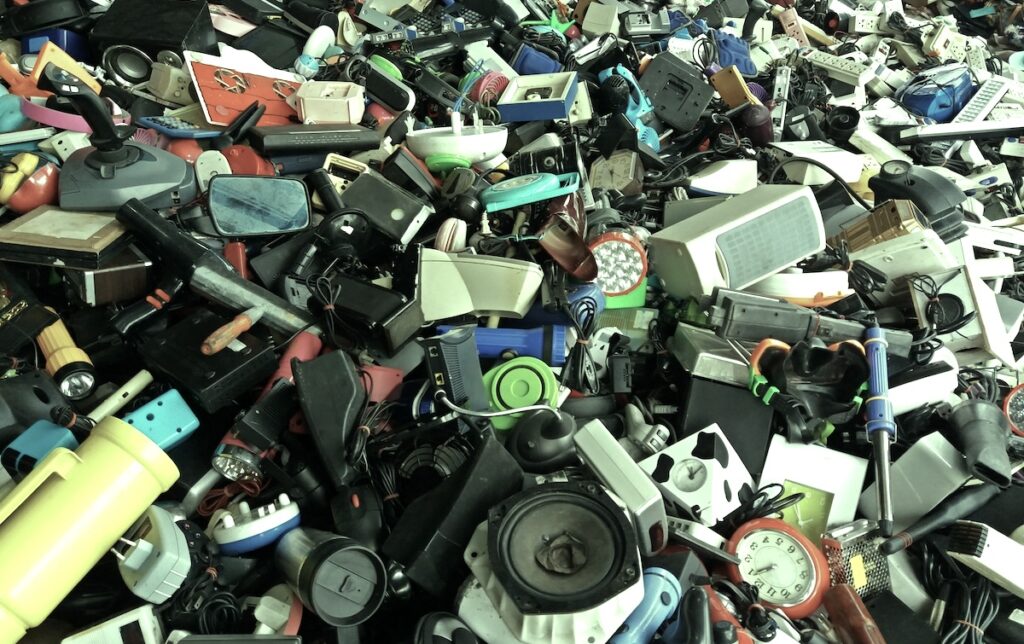
Electronic waste, commonly referred to as e-waste or WEEE (Waste Electrical and Electronic Equipment), contains a complex mix of valuable and hazardous materials. Copper, aluminium, plastics, lithium, cobalt, gold and rare earth elements are embedded in products ranging from consumer electronics and batteries to industrial control systems and renewable energy equipment. Efficient recovery of these materials is now seen not only as an environmental necessity, but as a strategic pillar of resource security.
From environmental challenge to circular opportunity
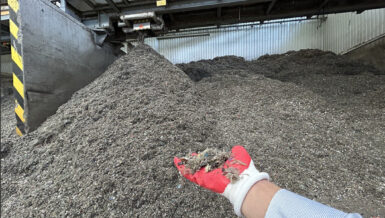
Historically, electronics recycling focused primarily on safe disposal and compliance. Today, the market is shifting toward high-value material recovery and circular supply chains. Advanced mechanical processing, sensor-based sorting, shredding technologies and metallurgical recovery methods are enabling recyclers to extract higher purity fractions at greater yields.
This transformation is reinforced by global policy frameworks such as extended producer responsibility (EPR), restrictions on landfill and export of e-waste, and ambitious climate and sustainability targets. As a result, electronics recycling is becoming a core component of the broader circular economy.
Technology and scale drive competitiveness
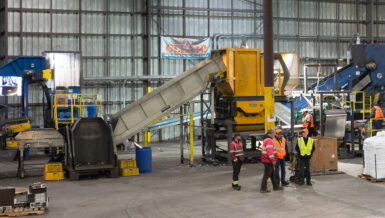
Modern electronics recycling facilities increasingly rely on automation, AI-supported sorting, and data-driven process control to handle growing and highly diverse input streams. Investments in scalable infrastructure and smart recycling systems allow operators to process higher volumes while improving traceability, safety and economic performance.
According to market analyses, these developments position the electronics recycling market as one of the most technologically advanced segments within the global recycling industry, with strong growth prospects across North America, Europe and Asia-Pacific.