
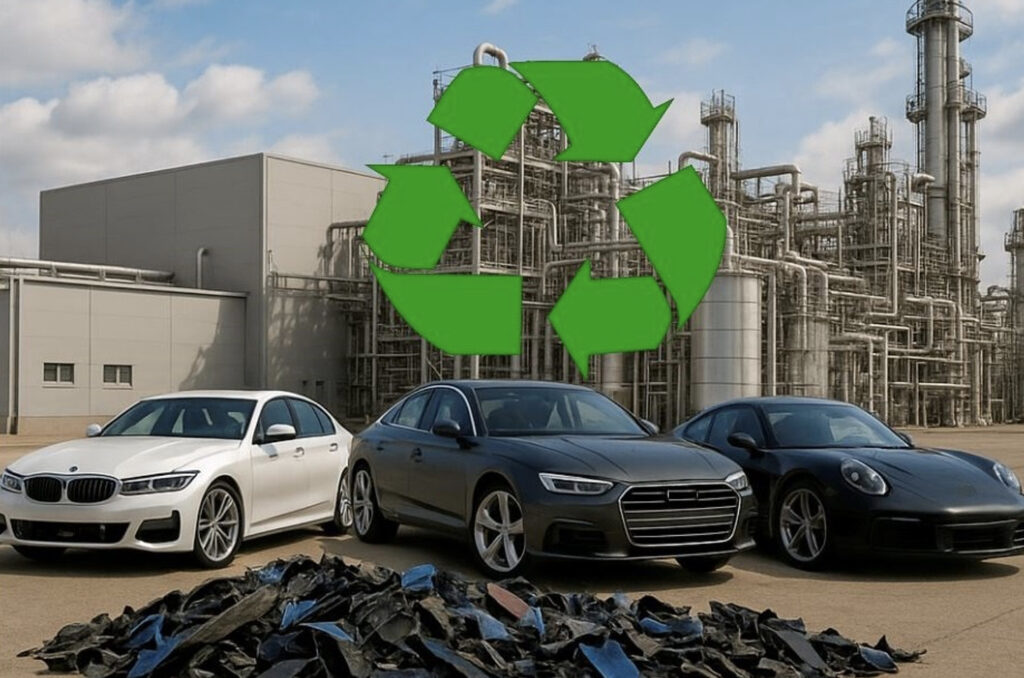
Automotive Next-Level Sustainability: World’s Largest Plastic Recycling Facility in Europe Starts Soon
A recycling plant in Europe has made impressive progress over more than 20 years of experience and continuous investment in...
Read more
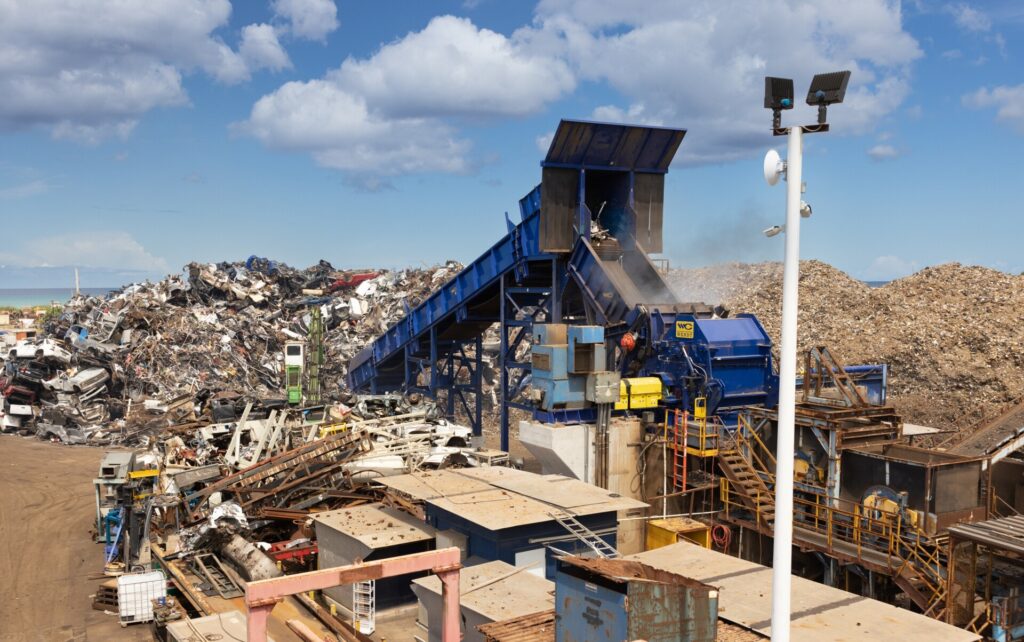
WENDT CORPORATION Commissions M6090 Shredding Plant & Non-Ferrous Separation System at Island Recycling
WENDT CORPORATION is pleased to announce the successful installation of a WENDT M6090 automobile shredder at Island Recycling in Hawaii,...
Read more
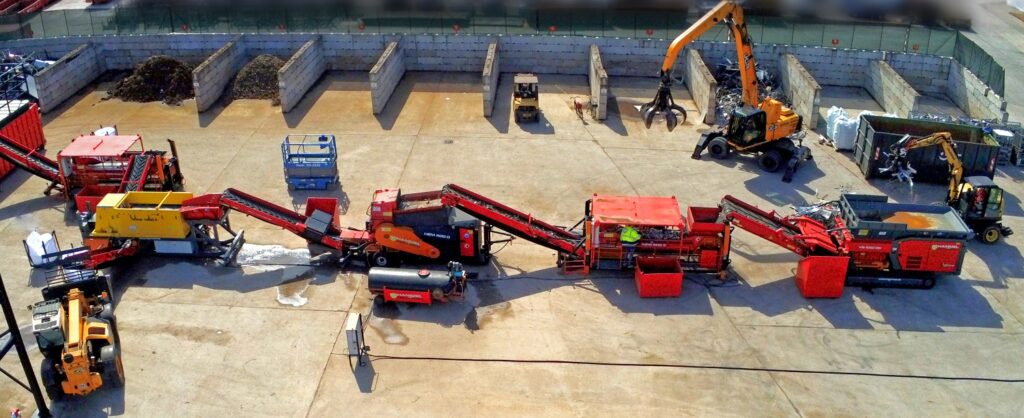
HAMMEL – Metal Plant for End-of-Life Vehicle Recycling
End-of-life vehicles are a source of spare parts but also subject to recycling of the remaining material. Only in the...
Read more

Innovating Solution for the Material Recovery from End-of-Life Vehicle (ELV) Shredding Residues
The LIFE PST SORT project is being successfully developed and is currently entering its third demonstration stage of recyclable waste...
Read more





