Market

Municipal Solid Waste (MSW) Processing

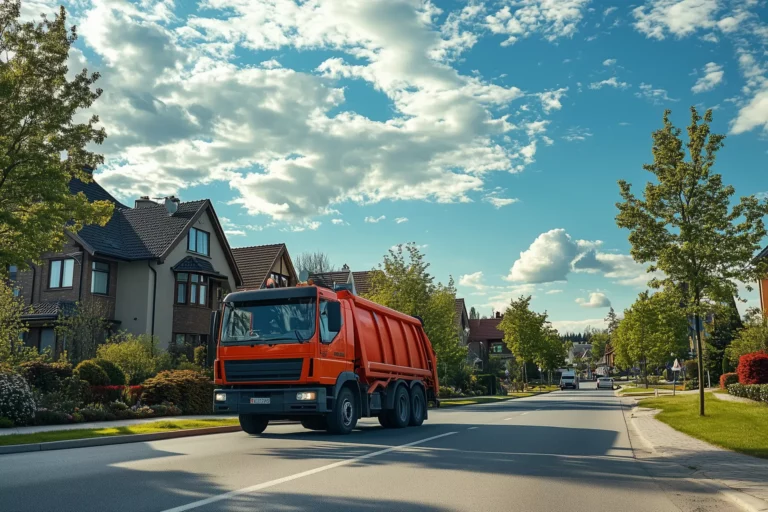
Municipal solid waste (MSW), also known as trash or garbage, is non-hazardous refuse generated by households, institutions, hospitals, and businesses. It comprises waste, compostable, and recyclable materials, with the municipality overseeing its disposal.

Latest in this market

Municipal Solid Waste (MSW) Processing news and case studies

All articles in this market
Independent editorial selection ? no sales pitches. Sponsored items are marked as such. Submit your news

Ask the Expert

Ask a municipal solid waste (msw) processing expert ? free

Engineers and product specialists who answer technical questions from readers. The answer comes back to you by e-mail; when we publish it, other readers benefit too.

View all experts

Market & Technology Focus

Municipal Solid Waste (MSW) Processing, in depth in your inbox

Every Thursday edition takes one market or technology in depth. These are the editions on this market ? read them online or get the next one by e-mail.

Subscribe to our E-newsletters

Join 28,000+ engineers, plant managers and technical buyers. Free, twice a week.

What this market covers

Frequently asked about municipal solid waste (msw) processing

What happens to mixed household trash once it arrives at a materials recovery facility?

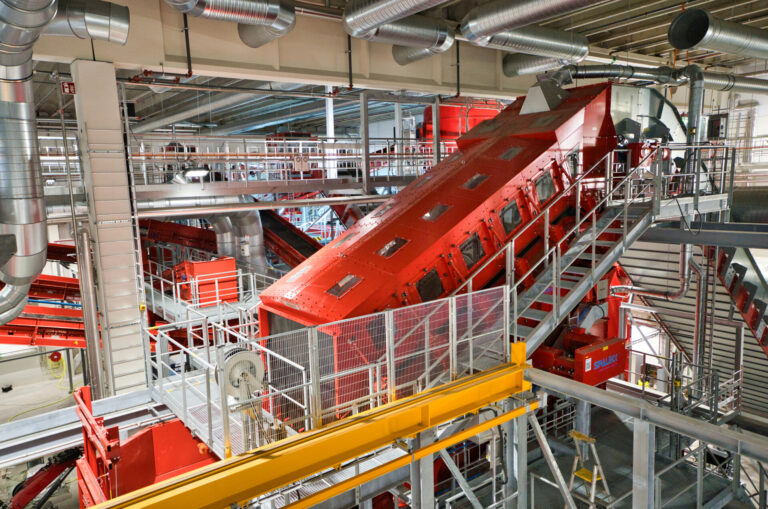
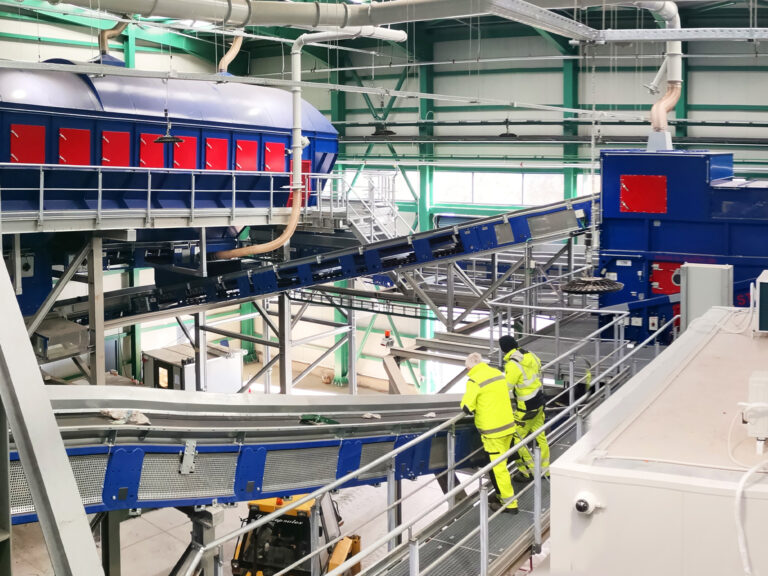
Incoming loads are first tipped onto a floor or into a receiving bunker, where an excavator or wheel loader clears out oversized and hazardous items before the rest moves onto a series of conveyors. From there the stream passes through trommel screens, ballistic separators, and optical or near-infrared (NIR) sorters that split it by size, shape, and material type, while magnets and eddy current separators pull out ferrous and non-ferrous metals. What remains after sorting, including food-soiled paper and mixed film plastic, is baled or sent to a transfer station for landfill or waste-to-energy disposal.

Why can't municipal solid waste be sorted by hand at the volumes most cities generate?

A single MRF can process hundreds of tons of material a day, far more than manual sorters could safely handle on their own, so mechanical equipment does the bulk separation while human sorters are positioned at quality-control stations to catch what the machines miss or pull out problem items like tanglers and hazardous waste. Hand-sorting alone also can't keep pace with contamination from broken glass, needles, and other unsafe material mixed into curbside collection, which is why pre-sorting equipment and worker safety protocols are built into every stage of the line.

What specific materials get recovered from a mixed MSW stream, and what ends up as residual waste?

A typical MRF recovers old corrugated cardboard, mixed paper, PET and HDPE plastic containers, and aluminum and steel cans, each baled separately for sale to reprocessors. Food-contaminated packaging, multi-layer or flexible plastic film, textiles, and small fragments that fall through screens as fines generally can't be recovered economically and are classified as residual waste destined for a landfill or waste-to-energy facility.

What equipment does the heavy lifting inside a modern MSW sorting line?

Trommel screens and disc screens size the incoming stream, ballistic separators split flat material like paper and film from rolling containers, and overband magnets pull ferrous metal while eddy current separators eject non-ferrous metals like aluminum. Optical and NIR sorters use infrared light to identify plastic resin types and fire air jets to knock specific materials off the belt, and the recovered fractions are compacted in horizontal balers before shipping.

What happens to the residual waste left after recyclables and organics are pulled out?

Residual, non-recoverable material is typically hauled to a landfill or, where infrastructure exists, combusted at a waste-to-energy facility that generates electricity or steam from the heat of burning it. Some facilities process residuals further into refuse-derived fuel (RDF) that can be burned in cement kilns or dedicated boilers, which reduces landfill volume but still requires emissions controls to manage particulates and combustion byproducts.

What regulations shape how municipalities handle and divert MSW?

In the US, the Resource Conservation and Recovery Act (RCRA) sets the federal framework for solid waste management, and a growing number of states have adopted their own landfill diversion or organics-recycling mandates, such as California's SB 1383. In the EU, the Waste Framework Directive establishes the waste hierarchy of prevention, reuse, recycling, recovery, and disposal, and sets binding recycling and landfill diversion targets that member states translate into national law.

What is mechanical-biological treatment and how does it differ from a standard sorting facility?

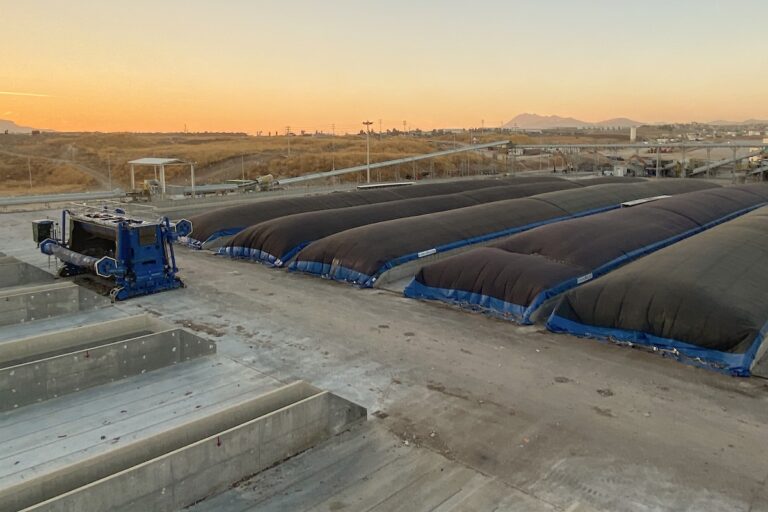
Mechanical-biological treatment (MBT) combines the mechanical sorting found in a conventional MRF with a biological stage, either composting or anaerobic digestion, that stabilizes the organic fraction of mixed waste before disposal. Unlike a straight MRF, which focuses on pulling out clean recyclables, an MBT plant is built to reduce the volume, weight, and biodegradability of whatever waste remains, cutting methane generation at the landfill and sometimes producing a compost-like output or biogas.

What contamination issues limit how much material an MSW facility can actually recover?

Wet or food-soiled paper and cardboard lose their recyclable value once fibers break down, and plastic bags and film routinely wrap around rotating shafts and screens, forcing line shutdowns for manual clearing. Batteries and other items with lithium cells pose a fire risk when crushed or baled with combustible paper and plastic, which is why many facilities run separate hazard-detection and removal steps ahead of the main sorting equipment.

What are the environmental and economic benefits of diverting MSW from landfill?

Diverting recyclables and organics from landfill cuts methane emissions, since biodegradable material breaks down anaerobically once buried and methane is a far more potent greenhouse gas than CO2 over a short timeframe. It also extends the working life of existing landfill capacity, reduces the raw material and energy needed to manufacture new packaging and metal products, and creates a revenue stream for municipalities and haulers through the sale of baled recyclables.

What trends or emerging technologies are changing how MSW gets processed?

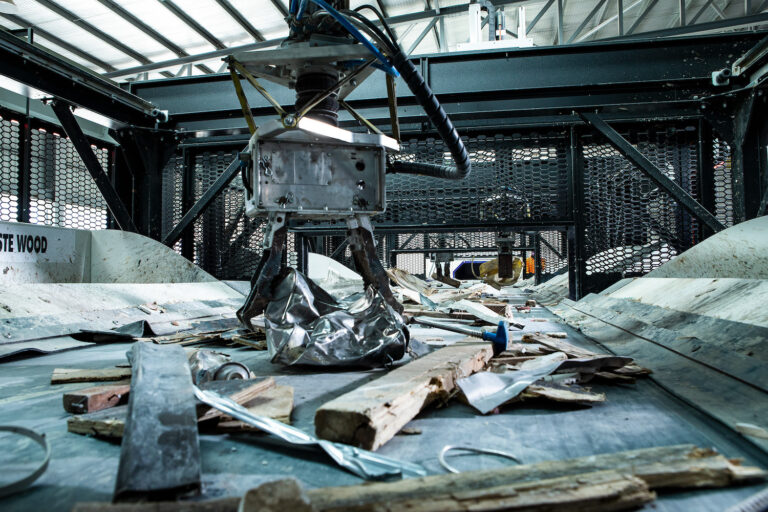
AI-assisted robotic sorters, which use camera and sensor data to identify and pick specific items off a fast-moving belt, are increasingly supplementing or replacing manual picking stations, improving both recovery rates and worker safety. At the same time, advanced sorting for chemical recycling of mixed plastics is gaining investment, and more facilities are adding front-end organics separation to keep food waste out of the residual stream as diversion mandates expand.

Reach the municipal solid waste (msw) processing audience

A basic listing in the Manufacturers Directory is free. Advertising and Partner placements add visibility across the site and in the Weekly E-Update.

Advertise with us