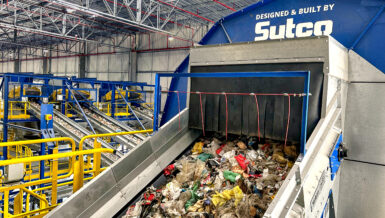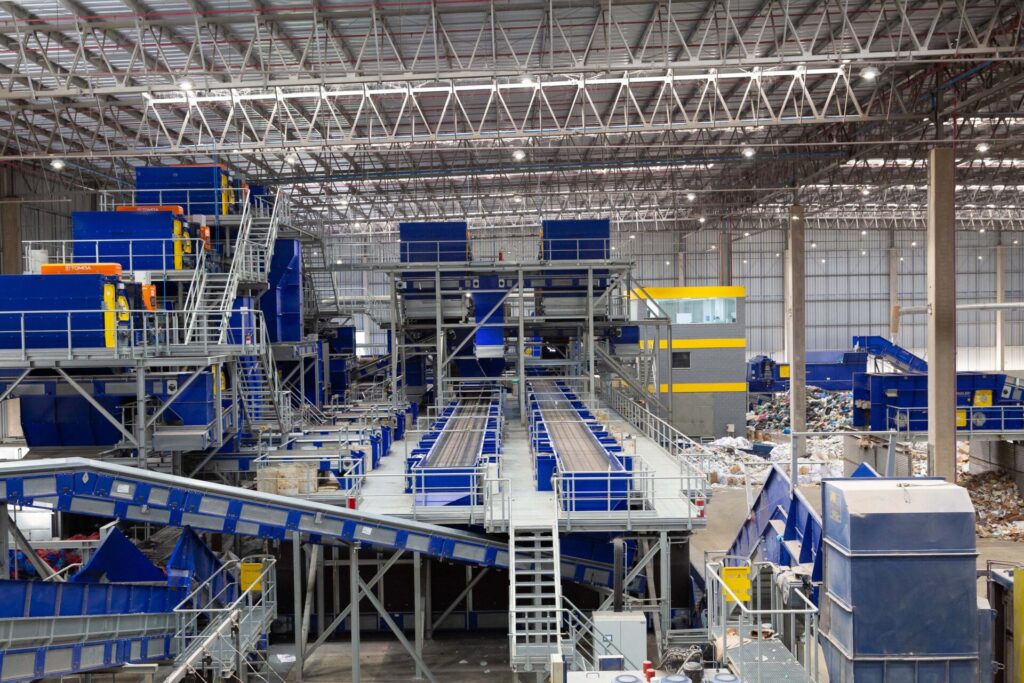
STADLER Anlagenbau GmbH, the globally active specialist in the planning and delivery of turnkey sorting plants, designed and built a state-of-the-art sorting facility for Flacipel Comércio de Aparas e Sucatas Ltda, part of the Multilixo Group, in Guarulhos, in the state of São Paulo. Commissioned in December 2019 and officially inaugurated in February 2020, the plant has become a central pillar of Flacipel’s development strategy and in the region’s recycling infrastructure.
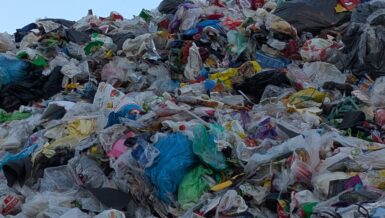
Processing up to 200 tonnes of dry mixed recyclables per day, the facility was engineered to handle a highly heterogeneous input stream while maximizing material recovery and minimizing rejects. For Flacipel, the project represented far more than a capacity expansion. As Rubens Prinet, Operations Manager at Flacipel, explained: “Looking at Flacipel’s trajectory within the Multilixo Group, the Guarulhos sorting facility played a structurally strategic role at the time the investment decision was made. It was conceived not merely as ‘just another plant,’ but as a value hub with multiple layers.”
A plant designed as a platform for growth
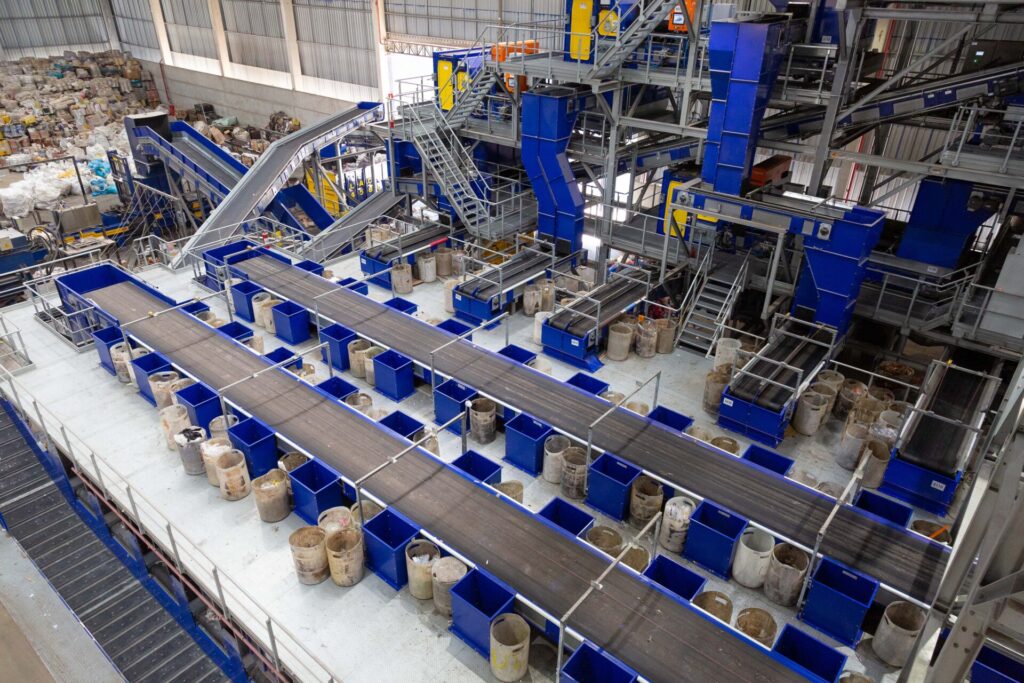
From the outset, Flacipel’s objectives were ambitious. The company aimed to minimize residual waste, sort material into 21 fractions, and maintain the flexibility to process different input streams, selective collection, office and commercial waste. Achieving this balance between efficiency and adaptability posed a significant technical challenge.
“The possibility to change the type of the material infeed requires a very clever design,” said Henrique Filgueiras, Sales Director at STADLER do Brasil. “Our task was to create a plant that performs consistently at a high level in every operating scenario, without compromising flexibility. This is where STADLER’s modular approach and experience with complex material streams really makes a difference.”
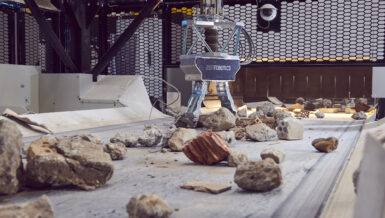
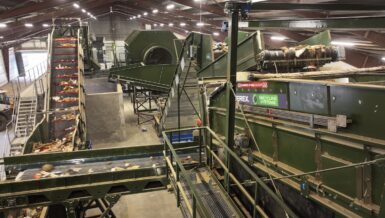
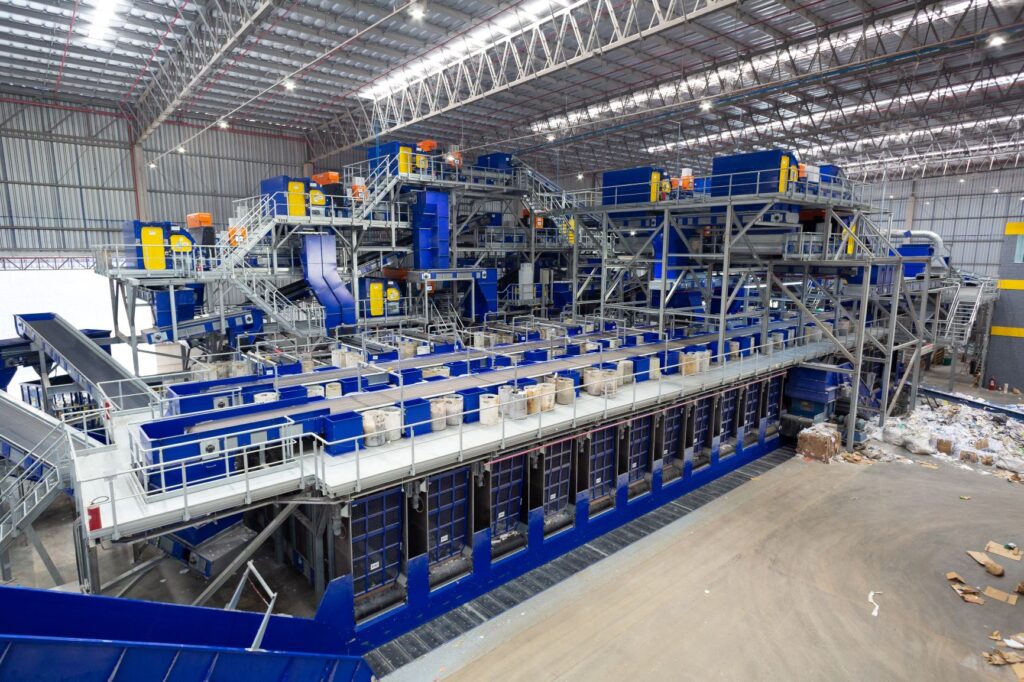
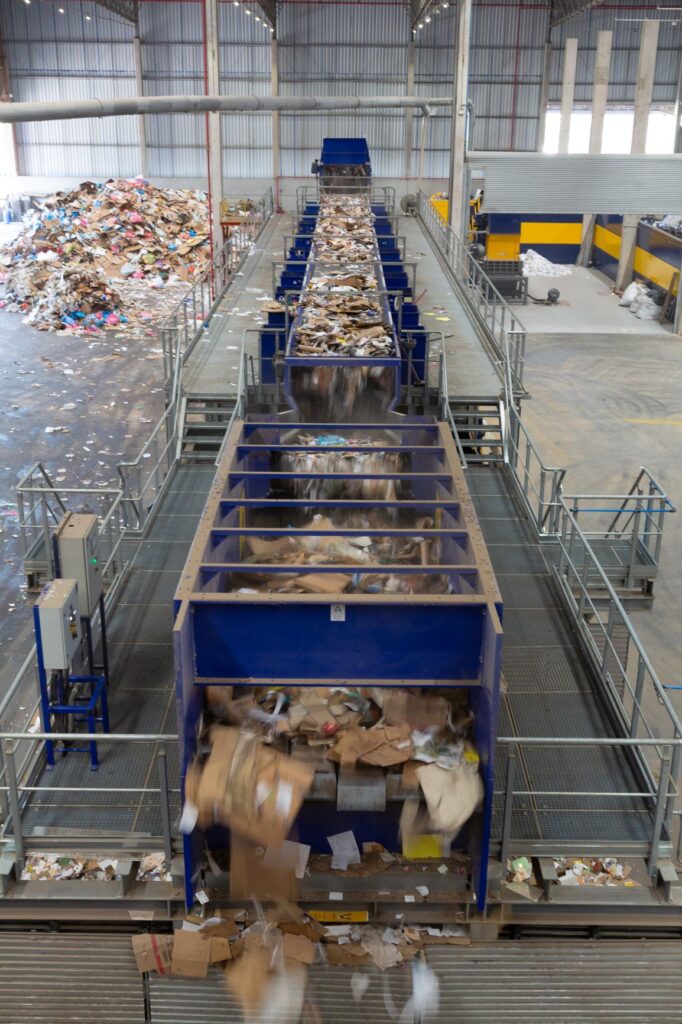
The solution includes a pre-sorting station that separates material according to bag color, followed by a first classification step using a STADLER ballistic separator to isolate cardboard. Pre-classified material streams are stored and then fed separately into the main sorting line, which features dosing units, bag openers and two further STADLER ballistic separators. Advanced optical sorting, windshifter, magnetic and eddy-current separation enable the recovery of a wide range of fractions, including various plastic types, films and colors, paper grades, cartons, metals, and RDF.
This configuration allows Flacipel to adapt the process and equipment settings to each material stream, ensuring stable output quality even as input composition varies.
From pilot project to trusted long-term partnership
Flacipel’s decision to partner with STADLER was shaped by years of prior collaboration and hands-on experience. According to Silvio Urias, Managing Director and Owner of the Multilixo Group, “the choice of STADLER was not merely a technical one. It was a strategic positioning decision for the Multilixo Group and Flacipel. It is like playing in the first division.”
Before the Guarulhos plant was built, the Multilixo Group had already operated a STADLER sorting line for seven years, incorporating a STADLER ballistic separator alongside a bag opener and optical sorters. “This hands-on experience was fundamental in validating the technology under Brazilian conditions and in guiding the design of the facility inaugurated in 2020, reducing risks and ensuring high performance from the outset,” Silvio Urias said.
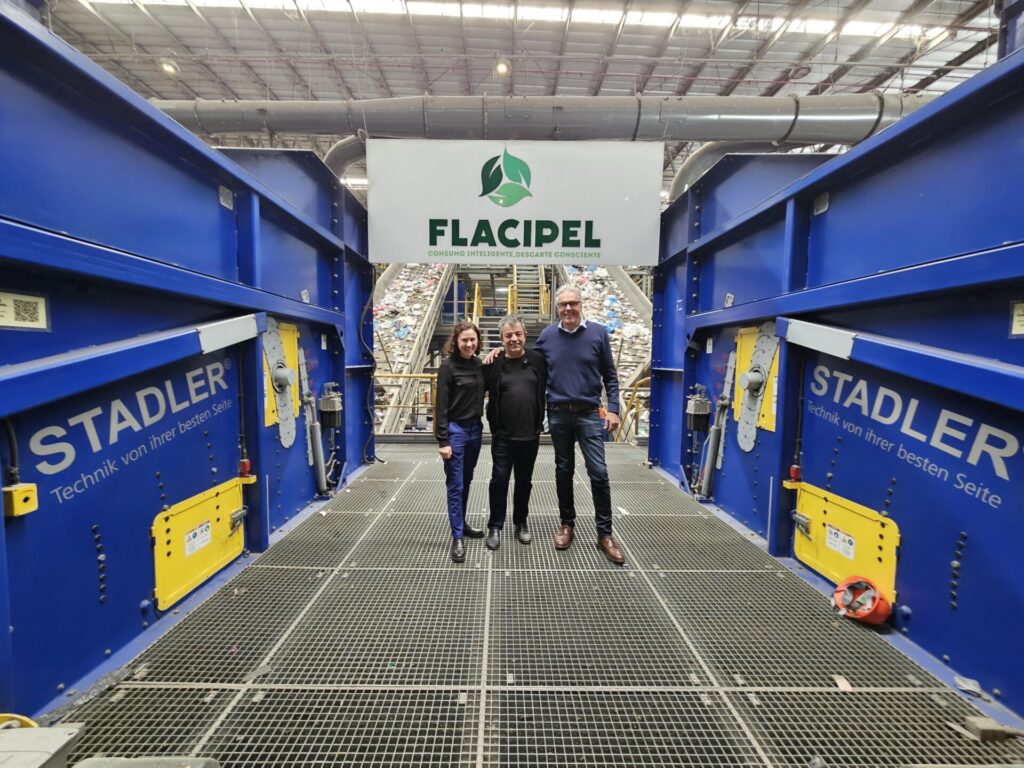
The collaborative approach continued throughout the project lifecycle. “The Flacipel sorting facility was developed collaboratively with STADLER, based on real operational experience, continuous testing, and the joint process and layout design,” he added. Installation was completed in just four months, followed by commissioning carried out by STADLER’s Brazilian team, enabling rapid knowledge transfer and a smooth ramp-up to full operation.
A step change in capacity, resilience, and market position
Since its inauguration, the Guarulhos plant has fundamentally reshaped Flacipel’s operations. Monthly throughput has increased from 4,800 tonnes to 8,000 tonnes, delivering economies of scale, stronger margins, and greater commercial leverage.
“We are now a benchmark in both volume and quality,” said Silvio Urias. “The operation has become more resilient. For our clients, this means a stable partner, lower environmental risk, reliable data, and continuity.”
The increased capacity and consistency have also opened new business opportunities. With the ability to guarantee high recovery rates and traceability, Flacipel has secured new contracts, particularly with customers seeking zero-landfill solutions for their waste streams. “Flacipel has become a trusted partner where clients can transfer their environmental challenge and receive predictability, security and documented proof in return,” Urias noted.
STADLER’s involvement did not end with commissioning. An ongoing inspection and preventive maintenance contract ensures that STADLER technicians visit the plant monthly, supporting service planning and minimizing downtime. Regular commercial visits further reinforce the partnership and position the Guarulhos facility as a benchmark for advanced sorting solutions in Brazil.
Enabling circular economy outcomes today and tomorrow
At a regional level, the plant plays a critical role in advancing sustainability and circular economy goals. With efficient sorting and comprehensive fraction recovery, no material is sent to landfill; every output stream is directed towards a defined, sustainable use.
“Flacipel’s sorting facility is the key instrument for enabling the circular economy, reducing the amount of waste sent to landfill and ensuring environmental traceability,” Prinet explained. “At the same time, the project has evolved through the integration of new equipment and capacity expansions, moving beyond the original design to become a dynamic industrial platform.” Further upgrades are already under development, including an expansion of the 3D line to automatically sort additional fractions.
For STADLER, the Guarulhos project exemplifies the value of long-term collaboration and flexible design. “This plant shows how a well-conceived sorting facility can become a growth engine,” Filgueiras concluded. “By combining performance, adaptability, and close partnership, we have helped Flacipel build an operation that is not only efficient today, but ready for future challenges.”