Residual waste has traditionally been regarded as the final waste stream: the material left over after separate collection, destined mainly for landfill or energy recovery. Today, this view is changing. Growing pressure on landfill capacity, rising disposal costs, stricter environmental regulation and increasing demand for secondary raw materials are turning this complex stream into an important focus for municipalities and waste management companies.
According to the United Nations Environment Programme’s Global Waste Management Outlook 2024, municipal solid waste generation is expected to grow from 2.1 billion tonnes in 2023 to 3.8 billion tonnes by 2050. This outlook underlines the need for both environmental and economic solutions.
For STADLER Anlagenbau GmbH, the globally active German specialist in the planning, production and assembly of turnkey recycling and sorting plants, residual waste represents one of the sector’s most important opportunities. Even in markets with well-established separate collection systems, recyclable and recoverable materials still end up in this stream. Unlocking this value requires integrated plant design, robust engineering, process flexibility and operational safety, supported by a stable regulatory and market environment that gives operators the confidence to invest in advanced sorting infrastructure.
From disposal challenge to resource opportunity
Waste has evolved from being seen mainly as a public health, safety and disposal issue to being recognised as a resource stream with significant recovery potential. “The material is no longer simply a problem to be solved, but a potential that should be unlocked,” explains Sabine Schlögl, Technical Sales Engineer at STADLER. “This shift has also reshaped the relationship between waste management and manufacturing sectors, bringing greater focus to design for recycling, collection systems and the required quality of secondary raw materials.”
“This change is also influencing the role of Waste-to-Energy. Removing metals, inert materials and, increasingly, recyclable plastics before incineration reduces the volume of material sent for energy recovery. It can also improve plant performance, enable valuable resources to be recovered and lower the amount of bottom ash that ultimately requires landfill capacity,” adds Sabine Schlögl.
The benefits are both environmental and economic. Recovering materials from residual waste reduces the need for virgin raw materials, whose extraction and processing can have a significant environmental impact. Aluminium is a clear example: bauxite mining can affect forests, habitats, soil and water resources, while recycling aluminium from waste streams can reduce emissions by up to 90–95% compared with primary production. At the same time, recovered recyclables can generate revenue and reduce landfill or incineration costs, helping sustainability and profitability go hand in hand where regulation, disposal costs and material values support the business case.
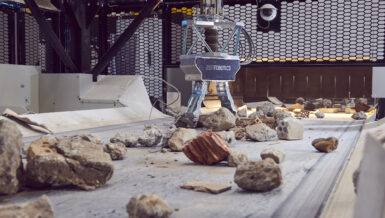
Advances in optical sorting, sensor resolution, automation and AI-based detection are accelerating this transition, expanding the range of fractions that can be recovered as valuable secondary raw materials.
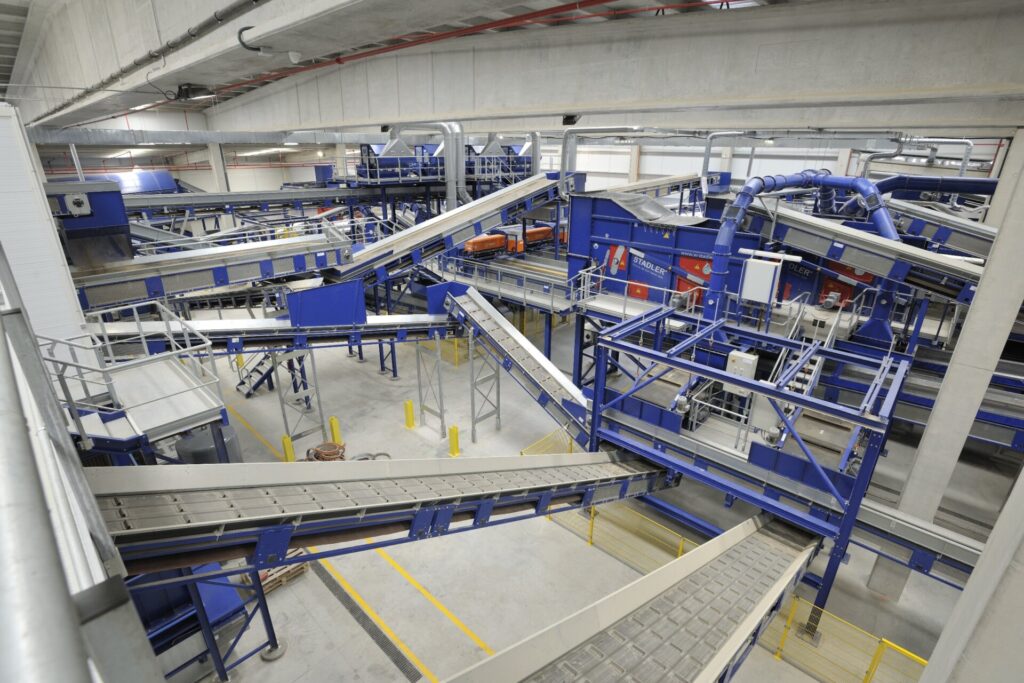
Why separate collection is only part of the answer
The experience of mature recycling markets shows that separate collection remains essential, but it cannot capture everything. In Germany, for example, an analysis by the German Environment Agency found that, even with established separate collection systems, around two-thirds of residual household waste was still potentially recyclable or recoverable. These fractions include metals, plastics, paper, glass, wood, electrical and electronic equipment, textiles and organic material.
This underlines one of the key challenges faced by municipalities and waste management companies: the more advanced recycling targets become, the more important it is to address the material that still escapes separate collection. It also highlights the importance of clear public guidance, as recyclable materials and products may still end up in residual waste when collection rules are not easily understood.
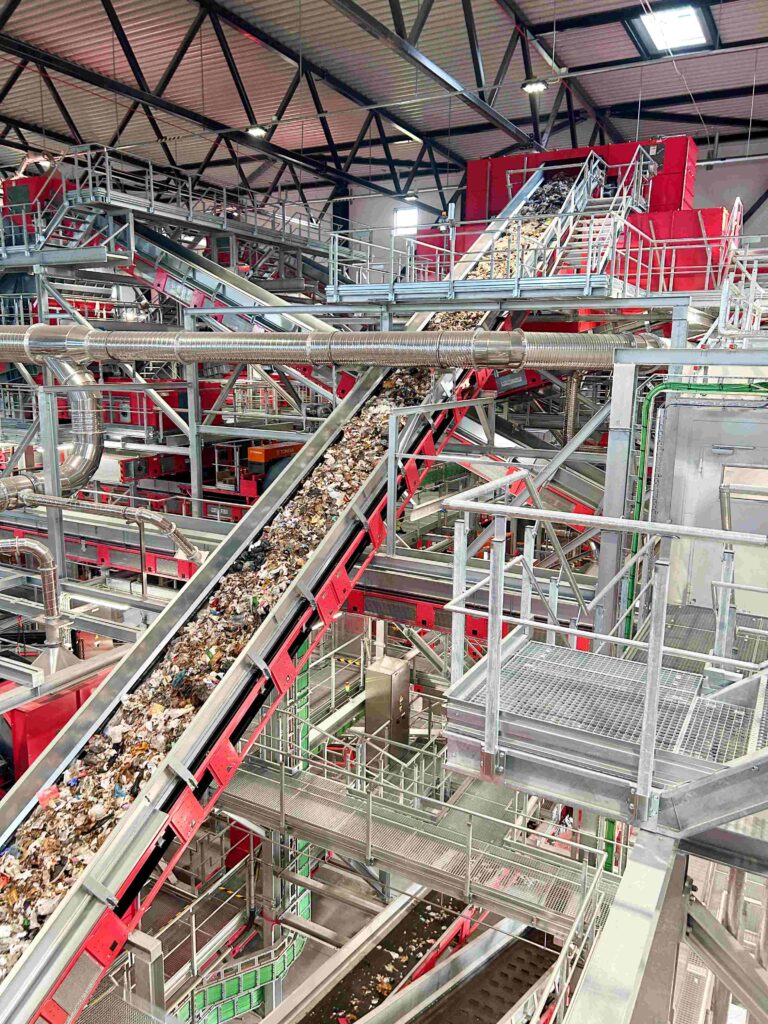
“Residual waste is highly heterogeneous, often soiled or contaminated, and its composition varies from one region, city and season to another,” explains Sabine Schlögl. “This means that recovering value from this stream requires robust and flexible plants capable of handling difficult input material and adapting to changing compositions, market requirements and future legislation.”
A global challenge shaped by local realities
While residual waste is a global challenge, its composition and treatment routes are highly local. Legislation, collection systems, consumer behaviour, product and packaging design, and the maturity of recycling infrastructure determine what enters this stream and which materials can realistically be recovered.
Japan illustrates how technology, policy and collection systems must work together. While citizens are highly committed to waste separation, approaches vary between municipalities, and valuable plastic packaging can still be sent for Waste-to-Energy treatment rather than material recovery. “In Japan, residual waste is also shaped by very specific packaging habits, including composite and multi-layer packaging, black plastic trays and very lightweight materials that are often crushed or deformed during collection and processing,” says Megumi Sasaki, Project Director, STADLER Japan Setup. “This creates additional challenges for sorting and material recovery and shows why solutions must be adapted to each local market.”
In Latin America, waste composition can vary significantly in terms of organic matter, impurities and bulky items. According to André Galuppo, Director of the Brazilian Office at STADLER, many countries still collect household waste through a single system, with limited control over the incoming material. As a result, facilities often have to handle non-standard materials such as furniture, electronic waste and construction waste. “There is no copy-and-paste logic for waste treatment facilities,” he says. “Each project must be designed for its specific context, as the sorting sequence, equipment type and sizing, recovered products, and the balance between automation and manual sorting can, and should, vary according to local characteristics.”
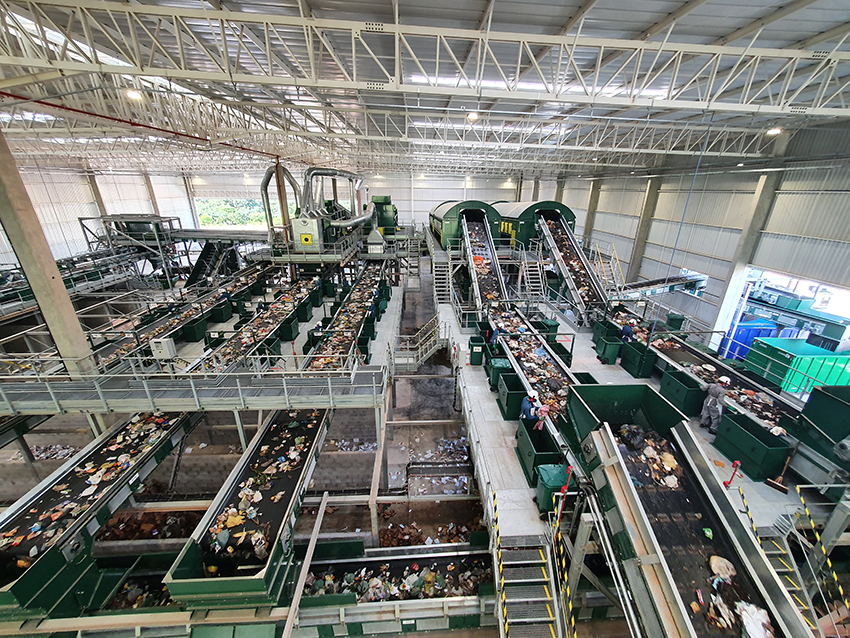
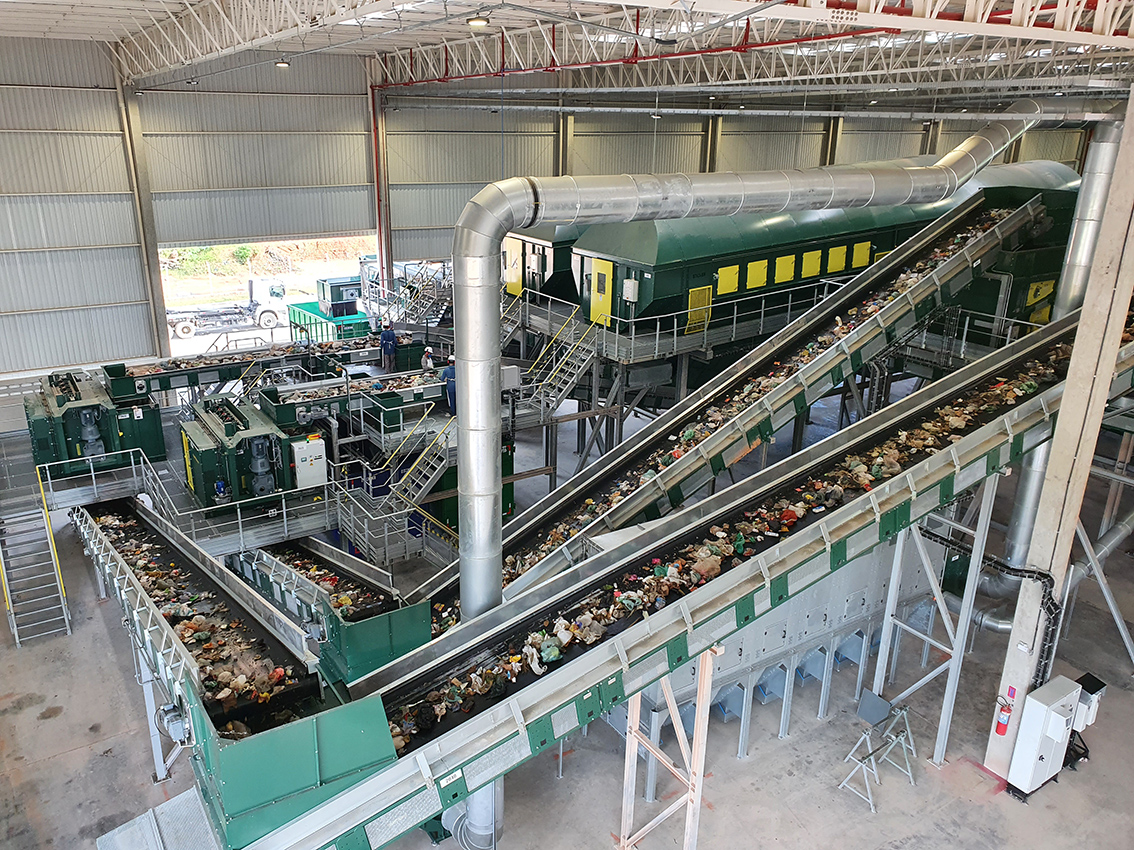
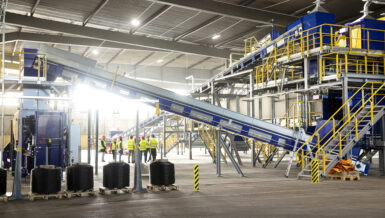
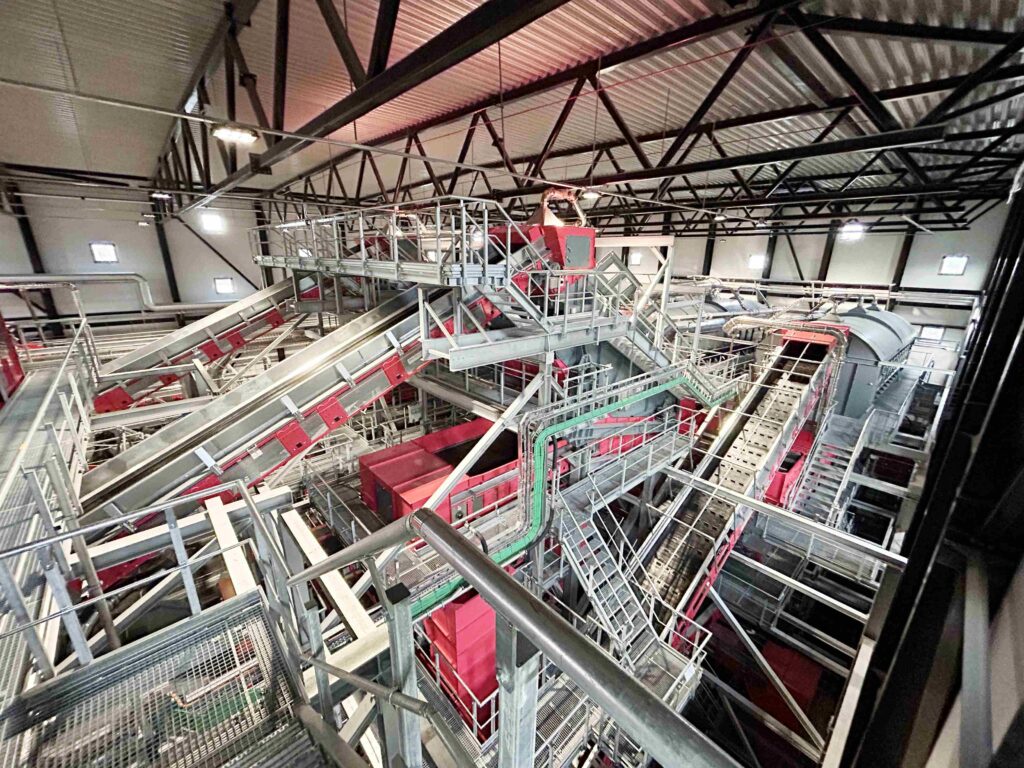
Sweden: A great example of this adaptation is found in Sweden, where STADLER designed and built the Resursutvinning Stockholm municipal solid waste sorting plant for Stockholm Vatten och Avfall (SVOA). Processing up to 50 tonnes of waste per hour across two independent sorting lines, the facility recovers organic waste collected in green bags, plastics, and ferrous and non-ferrous metals accidentally mixed into the residual material. Combining advanced sorting technologies with a highly automated control system, the plant maximises resource recovery while ensuring operational flexibility. The project also demonstrates the value of continuous optimisation, with SVOA highlighting the positive experience with STADLER, as stated by William Frieberg, Project Manager at SVOA: “I appreciate STADLER’s professionalism, responsiveness, and commitment to continuous improvement. Their support and expertise have helped optimise the plant’s performance while maintaining high standards of health, safety, quality, and environmental management”.
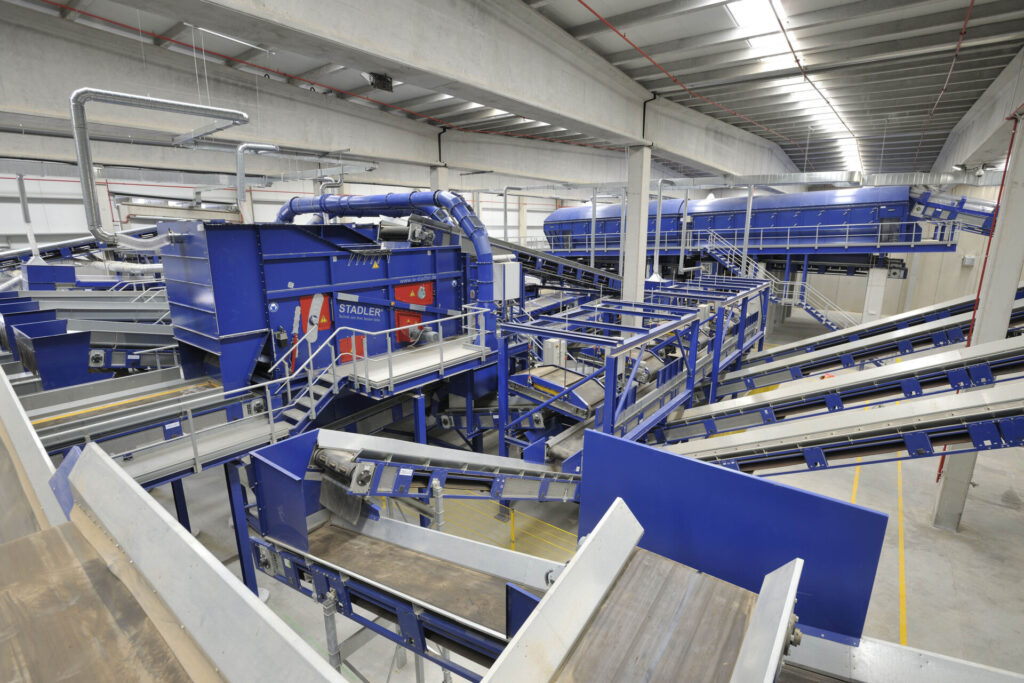
Spain: Residual waste is one of the most demanding streams to process, combining high variability, contamination risk, unpredictable material behaviour and changing recovery targets. Drawing on its experience in almost 50 MSW treatment plants in Spain alone, STADLER designs each plant around the specific characteristics of the input material and the customer’s operational objectives. Performance depends not only on the individual technologies installed, but on how the whole process is engineered – from material reception and dosing through screening, sorting, transfer points, storage, safety and maintenance access – with the right machinery and component sizing to ensure reliable operation, reduce downtime and create a safer working environment.
Flexibility and safety are central to residual waste sorting. STADLER’s adaptable layouts, movable conveyors and digital control systems allow operators to respond to changing waste streams and market demands, while battery detection, fire protection measures and multi-level plant designs enhance operational safety and resilience.