




AdvertiseSubscribe

Market

Fats & Waste Cooking Oil Recycling

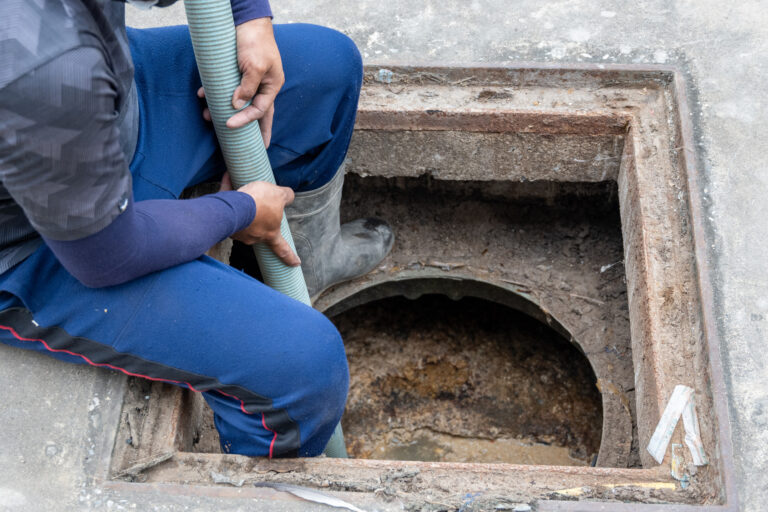
The collection and recycling of fats and waste cooking oil play an important role in global environmental sustainability efforts. Used cooking oil and fats can cause serious environmental damage when disposed of incorrectly. When poured into drains or sent to landfills, these substances can pollute waterways, clog sewage systems, and contribute to long-term soil contamination. Proper collection helps prevent these risks and supports responsible waste management.

Latest in this market

Fats & Waste Cooking Oil Recycling news and case studies

All articles in this market

Independent editorial selection — no sales pitches. Sponsored items are marked as such.

Submit your news

Ask the Expert

Ask a fats & waste cooking oil recycling expert — free

View all experts

Engineers and product specialists who answer technical questions from readers. The answer comes back to you by e-mail; when we publish it, other readers benefit too.

No field expert for this market yet — your question still reaches our editors.

Subscribe to our E-newsletters

Recycling technology worth your time: new equipment, plant case studies and the numbers behind them. Free, twice a week.

Questions and answers

Frequently asked about fats & waste cooking oil recycling

How Animal Fats and Used Cooking Oil are Recycled

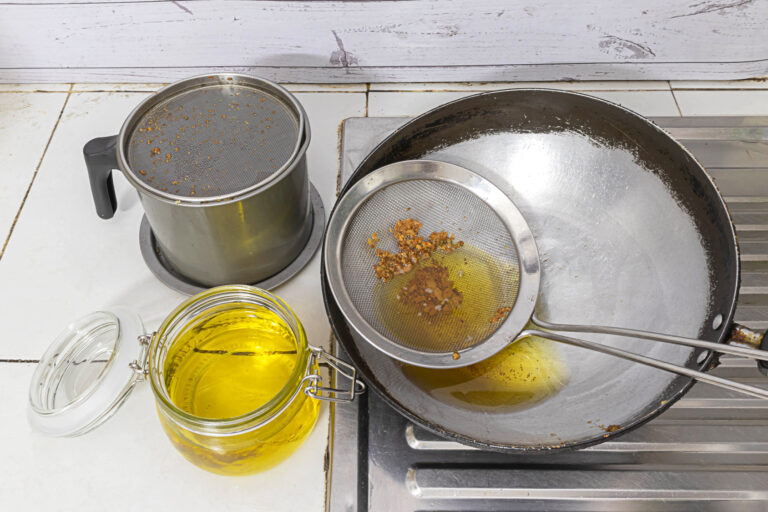
The recycling process of animal fats and used cooking oil is a fascinating journey that begins with collection. Once gathered from various sources such as households and restaurants, the oil undergoes filtration to remove impurities like food particles and debris. Next, it enters the refining stage, where it's heated and treated to separate water and solids. The purified oil is then transformed into valuable products like biodiesel, animal feed, and industrial lubricants through advanced chemical processes. This sustainable approach not only minimizes environmental pollution but also contributes to the circular economy by repurposing waste into valuable resources.

Sustainable Recycling of Used Oil

The sustainable recycling of used oil is a crucial aspect of environmental stewardship and resource conservation. Through innovative processes, used oil is collected, cleaned, and repurposed into valuable products, mitigating pollution and reducing dependence on virgin resources. Advanced technologies enable the conversion of used oil into biodiesel, lubricants, and other eco-friendly alternatives, reducing greenhouse gas emissions and promoting a circular economy. By embracing sustainable practices in used oil recycling, we not only safeguard our environment but also pave the way for a more resilient and greener future.

Animal Fats Recycling: From Waste to Resource

The recycling of animal fats involves several key steps to transform waste into valuable resources. Initially, fats are collected from various sources, including slaughterhouses and food processing plants. Next, the collected fats undergo rigorous filtration to remove impurities and contaminants. Then, through advanced rendering techniques, the purified fats are heated to separate solids and water, yielding a high-quality oil. This oil can be further processed into biodiesel, animal feed, or industrial lubricants, providing sustainable alternatives to conventional products. By efficiently recycling animal fats, we not only reduce waste but also contribute to a more environmentally friendly and resource-efficient economy.

Technological Innovations

Advancements in fats recycling technologies drive efficiency and sustainability. From advanced rendering methods to enzymatic processes and decentralized solutions, innovation is reshaping the industry. These technologies offer improved efficiency, reduced environmental impact, and increased versatility in converting fats into valuable resources.

How do I find an equipment manufacturer for fats & waste cooking oil recycling?

Use the Manufacturers Directory A–Z or the Equipment Guide. Partner profiles carry direct contact details; other listings link to the company website.

Can I ask a technical question before I buy?

Yes. Ask the Expert puts your question to a field expert active in Fats & Waste Cooking Oil Recycling. The answer comes back to you by e-mail; when we publish it, other readers benefit too.

Want to be the expert readers ask?

Field experts get a byline, a company profile and direct questions from readers. Partner packages add product visibility and a place in the Weekly E-Update.

Become an expert