Vibrations Provide Information on the Granulator’s Condition
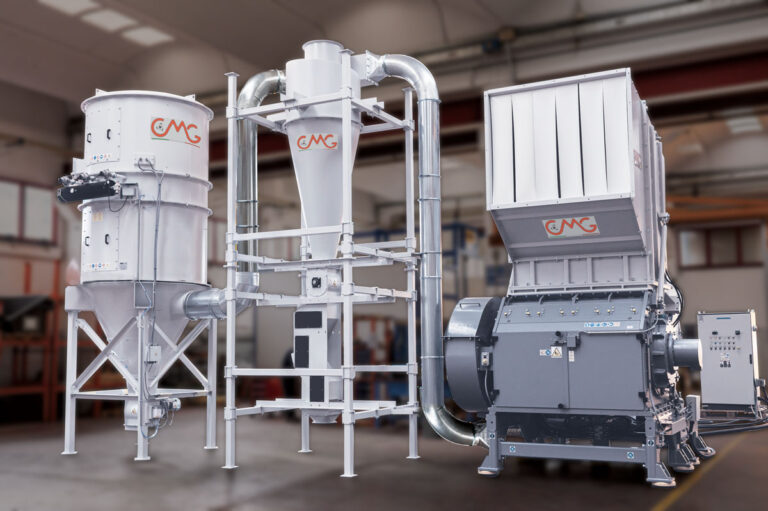
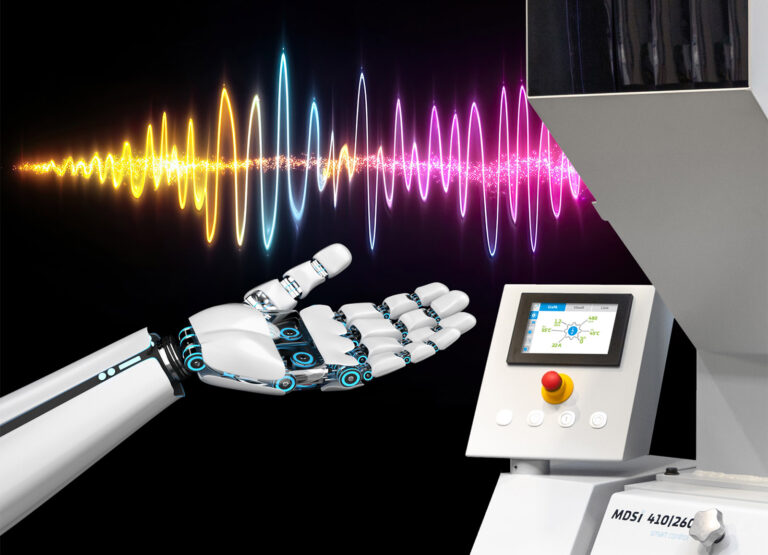
At Fakuma 2026, Hellweg Maschinenbau will present the new Smart Cut Guard module as an optional add-on for the Smart Control system of its granulators at Stand A1-1005.…


Market
Plastic recycling is the process of recovering waste or scrap plastic and reprocessing these materials into other functional and practical products. Because almost all plastic is non-biodegradable, it must be recycled as part of the global efforts to reduce plastic and other solid waste in the environment.
Latest in this market
At Fakuma 2026, Hellweg Maschinenbau will present the new Smart Cut Guard module as an optional add-on for the Smart Control system of its granulators at Stand A1-1005.…
Promoted videos
Ask the Expert
Engineers and product specialists who answer technical questions from readers. The answer comes back to you by e-mail; when we publish it, other readers benefit too.
 Ivan Hondekyn
Valvan nv
Ivan Hondekyn
Valvan nv
Ivan Hondekyn has been part of the Valvan team for over 25 years, bringing a rare depth of expertise across design, project…
Ask a question Patrick Henzler
WEIMA Maschinenbau GmbH
Patrick Henzler
WEIMA Maschinenbau GmbH
WEIMA Sales Director Patrick Henzler is a proud and experienced member of the WEIMA family since 2007, after he graduated from the…
Ask a question Hannes Tschirpke
Presona AB
Hannes Tschirpke
Presona AB
Hannes is a leading expert in high-capacity horizontal balers, which are designed for a wide range of industrial applications. With over 13…
Ask a question Mario Vazquez
CM Shredders
Mario Vazquez
CM Shredders
Mario Vazquez is the Sales & Marketing Director at CM Shredders and a specialist in tire recycling, industrial size reduction, and alternative-fuel…
Ask a questionMarket & Technology Focus
Every Thursday edition takes one market or technology in depth. These are the editions on this market — read them online or get the next one by e-mail.
Recycling technology worth your time: new equipment, plant case studies and the numbers behind them. Free, twice a week.
Questions and answers
A typical plastic recycling line combines sorting (manual and automated, including NIR and AI-driven optical sorters), size reduction (shredders and granulators), washing and decontamination, and finally extrusion or pelletizing to turn clean flake into recycled resin such as rPET, rHDPE or rPP.
PET (#1) and HDPE (#2) are the most widely recycled resins, with growing markets for rPP (#5) and rLDPE (#4). PVC (#3), polystyrene (#6) and mixed or multilayer plastics (#7) are harder to recycle and usually need more specialised technology.
Mechanical recycling shreds, washes and re-melts plastic into new pellets — the most common and cost-effective route for clean, single-resin streams. Chemical recycling breaks plastic down into base monomers or feedstock, which can handle more contaminated or mixed plastics but typically needs a larger capital investment.
Odour, colour consistency, residual contamination (labels, adhesives, other polymers) and moisture are the most common quality issues. Investing in washing, decontamination and sorting accuracy has the biggest impact on the quality of the recycled output.
Use the Manufacturers Directory A–Z or the Equipment Guide. Partner profiles carry direct contact details; other listings link to the company website.
Yes. Ask the Expert puts your question to a field expert active in Plastic Recycling. The answer comes back to you by e-mail; when we publish it, other readers benefit too.