Battery Recycling
Our latest E-mail campaigns for Battery Recycling
Sign upExperts for Battery Recycling
Laetitia Paveau
Pellenc STLaetitia is the Marketing and Communications Director at Pellenc ST. An engineer by training, she has spent over 20 years driving innovation and transformation across multiple roles within the company,. This extensive experience has given her a broad perspective on both technological transformation and environmental challenges. Further strengthened by an Executive MBA, she now focuses on business strategy, innovation leadership, and digital transformation, leveraging data as a strategic asset to improve performance and support the transition toward a circular economy.
Tom Jansen
TOMRA RecyclingWith more than 20 years of experience in sensor-based sorting technologies, Tom Jansen is VP, Head of Segments at TOMRA Recycling, where he is responsible for the company's global segment strategies. After studying Chemical Engineering at the Eindhoven University of Technology in the Netherlands, he began his career at Innov-X Systems and played a key role in the early development of automated XRF sensor technology. Since joining TOMRA in 2011, Tom has held a variety of leadership roles. Today, he focuses on driving strategic development and growth across TOMRA Recycling's plastics upgrading and metals recycling segments.
Mario Vazquez
CM ShreddersMario Vazquez is the Sales & Marketing Director at CM Shredders and a specialist in tire recycling, industrial size reduction, and alternative-fuel systems. He advises recyclers, cement producers, municipalities, and industrial operators on process design, equipment selection, capacity planning, and project economics. Supporting complex projects across global markets, Mario combines technical application expertise with commercial strategy to help operators improve throughput, product quality, operating efficiency, and return on investment.
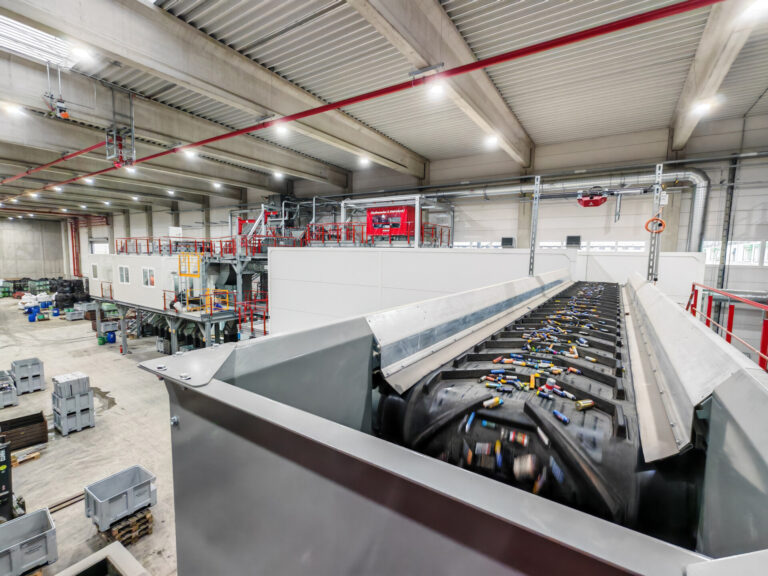
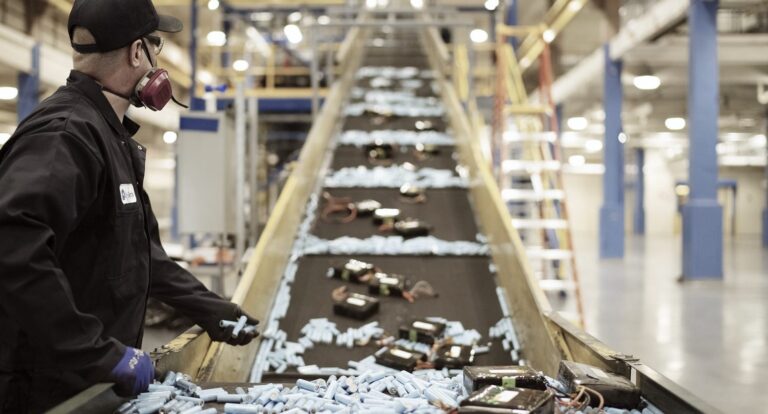
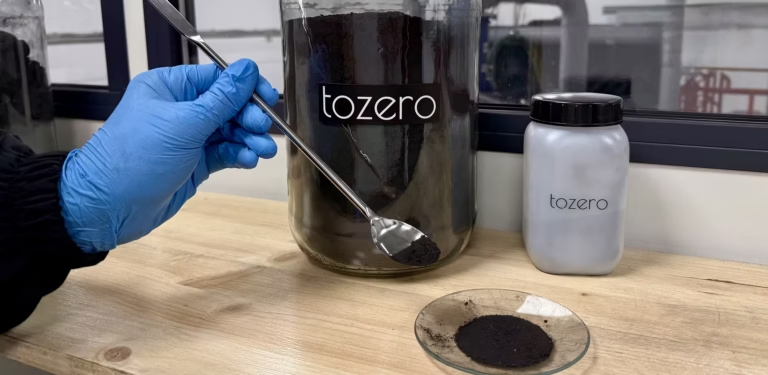
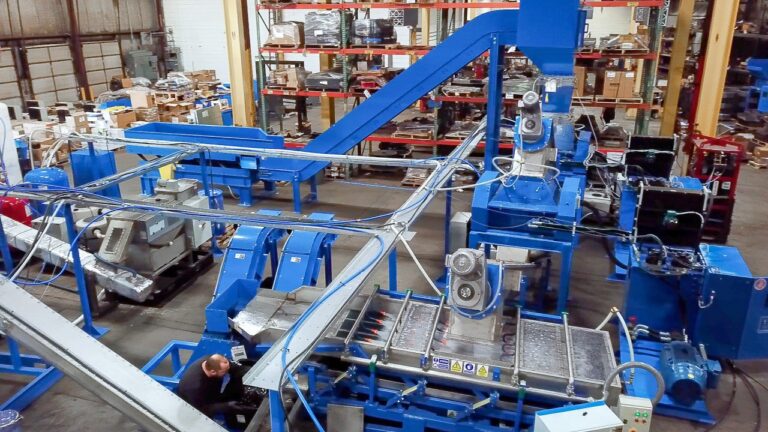
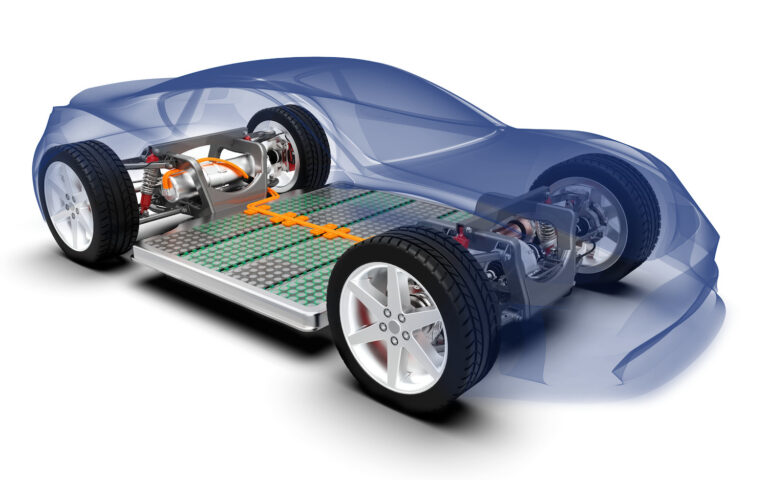
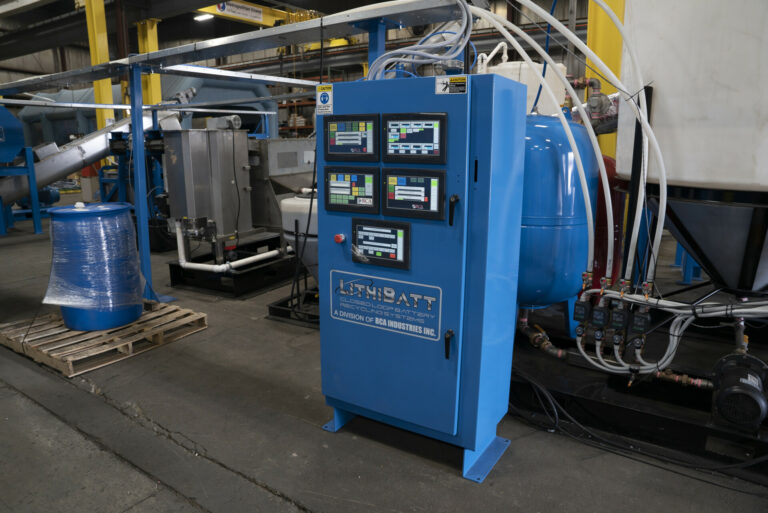
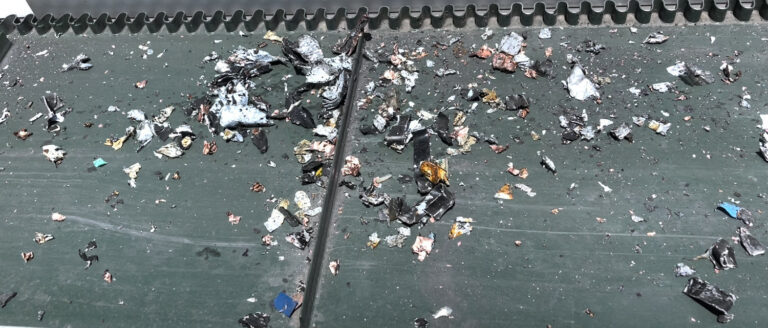
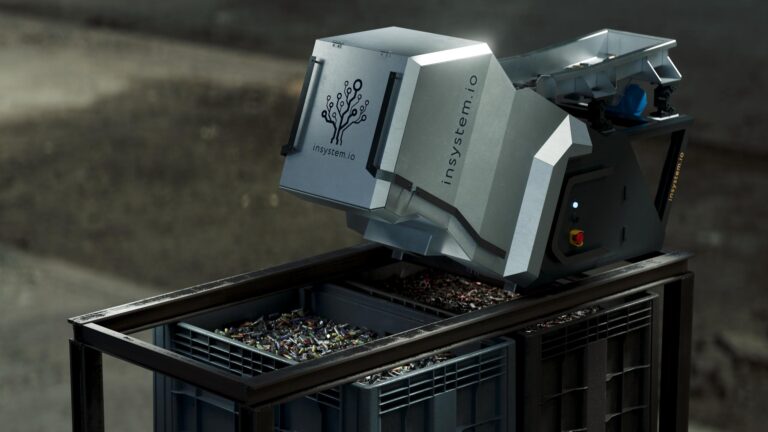
Battery recycling is the process of safely collecting and reprocessing used batteries to recover valuable materials and prevent environmental harm. Batteries contain metals like lead, lithium, nickel, and cobalt, which are non-renewable resources and can be toxic if not managed properly. Recycling helps extract these materials for reuse, reducing the need for new mining and minimizing the risk of soil and water contamination.