Market

Food Waste Recycling

Food waste recycling plays a crucial role in tackling the global challenge of excessive food disposal. Each year, large volumes of food scraps and leftovers end up as waste, placing pressure on landfills and contributing to greenhouse gas emissions. Recycling?

Latest in this market

Food Waste Recycling news and case studies

All articles in this market
Independent editorial selection ? no sales pitches. Sponsored items are marked as such. Submit your news

Ask the Expert

Ask a food waste recycling expert ? free

Engineers and product specialists who answer technical questions from readers. The answer comes back to you by e-mail; when we publish it, other readers benefit too.

View all experts

Market & Technology Focus

Food Waste Recycling, in depth in your inbox

Every Thursday edition takes one market or technology in depth. These are the editions on this market ? read them online or get the next one by e-mail.

Subscribe to our E-newsletters

Join 28,000+ engineers, plant managers and technical buyers. Free, twice a week.

What this market covers

Frequently asked about food waste recycling

What is food waste?

Food waste refers to the edible food material that is discarded, whether at the household, industrial, or commercial level. This can include uneaten food, food that has gone past its expiration date, spoiled food, plate waste, and more. In some cases, food waste may also include food that has been produced but never harvested or food that is rejected because it does not meet certain quality standards.

Reduce food waste

There are many efforts underway to reduce food waste, including composting, donation programs, and waste reduction initiatives in households, businesses, and the food industry. By reducing food waste, we can conserve resources, reduce environmental impact, and help to ensure that food is available to those who need it.

There are several steps that we can take to reduce food waste, including:

  1. Planning meals: By planning meals in advance and only buying the food you need.
  2. Proper storage: Proper storage of food, such as using airtight containers.
  3. Use leftovers: Leftovers can be repurposed into new meals or snacks.
  4. Composting: Composting is a great way to reduce food waste.
  5. Donating excess food
  6. Buying imperfect produce: Buying fruits and vegetables that are considered "imperfect" can help to reduce food waste, as these items are often discarded due to cosmetic imperfections but are still perfectly edible.
Food waste recycling technologies

The food process technologies can be broken down into biological digestion, non-biological volume/weight reduction, and thermal processing.

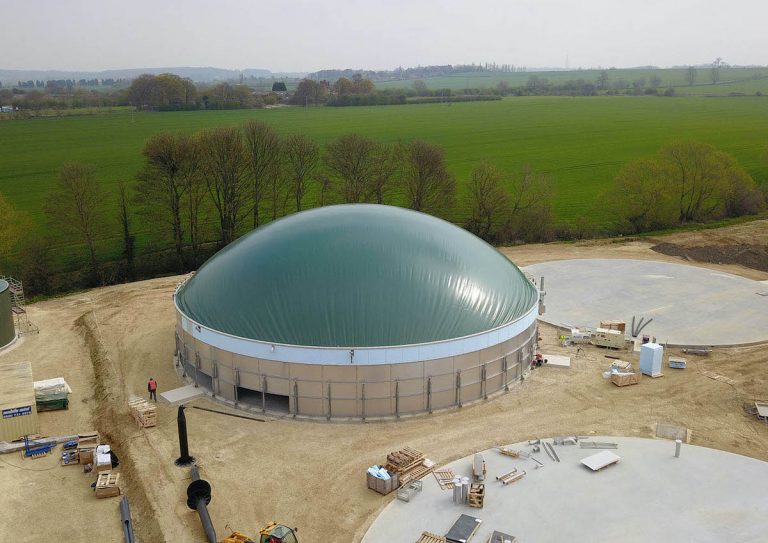
  1. Anaerobic Digestion:This is a process in which food waste is broken down in an oxygen-free environment, producing biogas that can be used for energy production.
  2. Aerobic Digestion: Food waste is broken down aerobically (in the presence of oxygen) by natural organic bacteria.
  3. Composting: This is the process of breaking down organic waste into a nutrient-rich soil amendment that can be used to improve soil fertility and plant growth.
  4. Thermal Hydrolysis: A two-stage process involving high-pressure boiling of waste followed by rapid decompression. The waste sludge is then digested anaerobically by bacteria, producing high biogas yields.
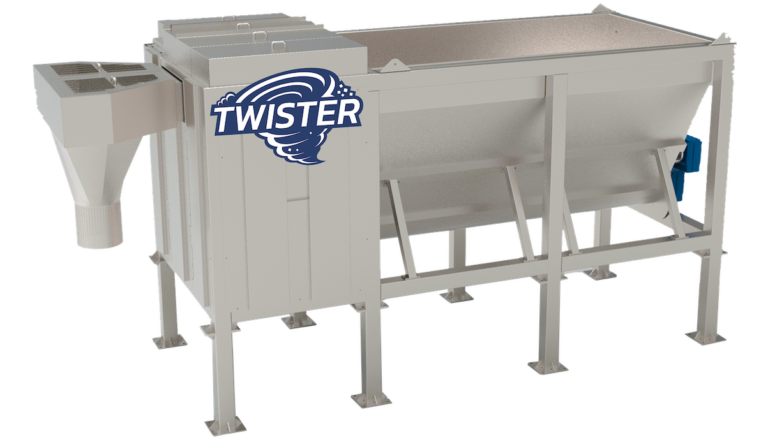
  5. Size reduction / volume reduction: These are specialized mechanical machines that can quickly break down food waste, reducing its volume and weight, and producing a fertilizer product.
Food waste management

Food waste management is the activities and actions required to manage food waste.

This includes collecting, transporting, treating, and managing food waste and monitoring and regulating the food waste management process.

Collection of food waste: Collection systems that ensure clean food waste is brought to treatment.

Treatment of food waste: Food waste treatment alternatives, from windrow composting to anaerobic digestion.

Food waste disposal: Food waste can be composted to produce soil and fertilizer, fed to animals, or used to produce energy or fuel.

How do I find an equipment manufacturer for food waste recycling?

Use the Manufacturers Directory A?Z or the Equipment Guide. Partner profiles carry direct contact details; other listings link to the company website.

Can I ask a technical question before I buy?

Yes. Ask the Expert puts your question to a field expert. The answer comes back to you by e-mail; when we publish it, other readers benefit too.

Reach the food waste recycling audience

A basic listing in the Manufacturers Directory is free. Advertising and Partner placements add visibility across the site and in the Weekly E-Update.

Advertise with us