

Customized Weighing Solutions for Recycling That are Off the Shelf!
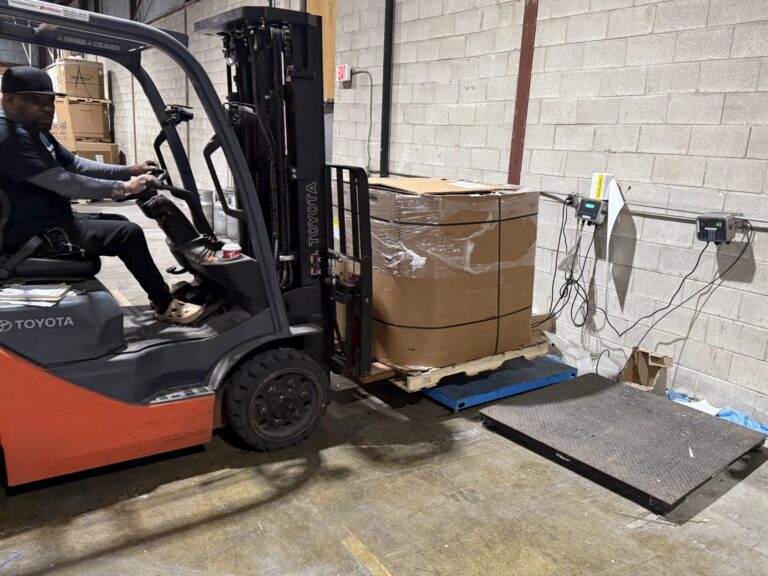
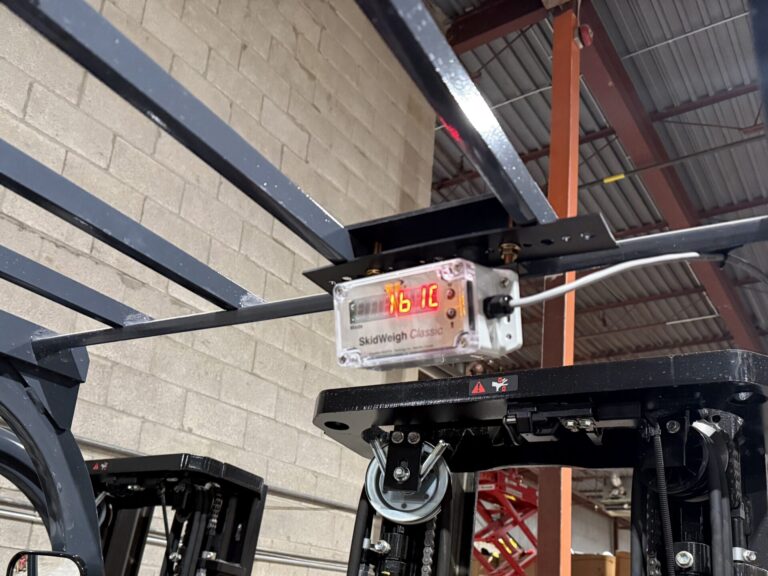
With thousands of material handling weighing applications under our belt, we’ve seen a thing or two when it comes to forklift scales. With four decades and two generations…

Technology Zone
Every recyclable is bought and sold by weight. This zone covers truck scales, floor and hopper scales, belt weighers and the software that makes weighing data part of billing, inventory and plant control.
Latest in this zone
With thousands of material handling weighing applications under our belt, we’ve seen a thing or two when it comes to forklift scales. With four decades and two generations…
Promoted videos
What this zone covers
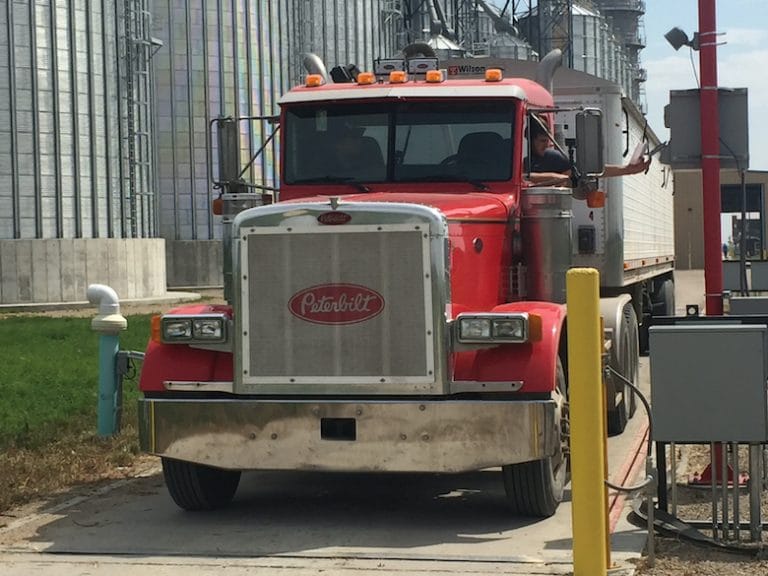
Every tonne of recyclables is bought and sold by weight, so the weighbridge is the cash register of the plant. Truck scales (pit or surface mounted, 60–80 t capacity) weigh loads in and out; the difference is the invoice, the compliance report and the input to the mass balance. Legal-for-trade approval, verification intervals and a documented calibration routine are not optional.
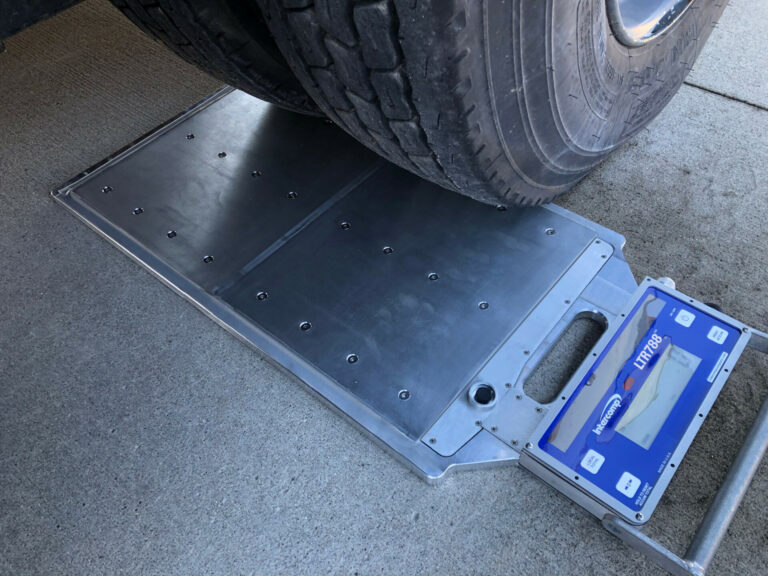
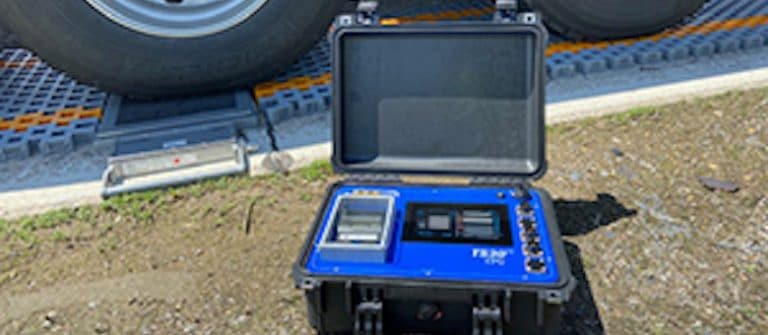
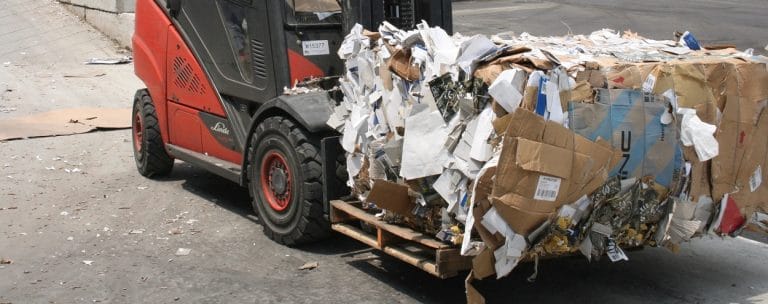
Belt scales on conveyors measure flow per stream; hopper and bunker scales on load cells measure inventory and batch weights; floor and pallet scales weigh bales, big bags and containers; on-board weighing on loaders, handlers and refuse collection vehicles records every load at the point of handling. Together they give the mass balance that proves recovery rates and finds losses.
A load cell converts force into a signal; the scale error usually comes from the installation: rigid connections, side loads, temperature, water in junction boxes, debris under the platform, and vibration from nearby machinery. Sealed stainless cells, lightning protection, flexible connections and a level, drained foundation decide whether a scale holds its accuracy through a recycling plant's winters.
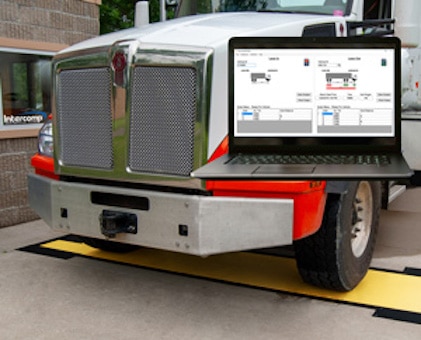
Unattended weighbridges with number-plate recognition, driver terminals, RFID and traffic lights cut queues and errors; the weighing software links each transaction to the customer, the material, the contract price and the permit's waste codes, and exports to invoicing and to the regulator's reporting. Cameras record the load for disputes about contamination.
Permits require reporting of tonnes accepted per waste code and tonnes sent out per destination; extended producer responsibility schemes require proof of recycled tonnes; customers require certificates. The weighing system is the source of record for all of it, so its data model — material, source, destination, contract, vehicle, time — matters as much as the scale's accuracy.
| Parameter | Typical range | Rule of thumb |
|---|---|---|
| Truck scale capacity and length | 60–80 t; 16–24 m | Whole vehicle on the deck; longer trucks need longer decks or split weighing |
| Truck scale accuracy | Class III; verification scale interval 20 kg at 60 t | Legal-for-trade with periodic verification; keep the test-weight certificate |
| Belt scale accuracy | ±0.5–1 % | Weekly zero, monthly span; idler alignment |
| Hopper / bunker scale | ±0.1–0.5 % of capacity | Flexible connections; cells at 30–80 % utilisation |
| On-board loader weighing | ±1–2 % per load | Calibrate per attachment; good for internal accounting, not invoicing |
| Floor scale for bales | 1.5 × 1.5 m; 1–3 t; ±0.5 kg | Bale weight and count feed the sales record |
| Weighbridge throughput | Attended 20–30 trucks/h; unattended 40–60 | Number-plate recognition and terminals remove the queue |
| Load cell protection | IP68/69K stainless; lightning and surge protection | Water in the junction box is the commonest scale failure |
| Symptom | Likely causes | What to do |
|---|---|---|
| Weighbridge reads unstable or drifts | Debris under the deck; water in junction box or cables; temperature; damaged cell | Clean under deck, seal and dry junction box, check each cell's output, re-verify |
| In and out weights inconsistent | Vehicle partly off the deck; tare stored for a different trailer; fuel and driver changes | Deck length, position sensors, tare per vehicle-trailer combination, tare expiry |
| Belt scale disagrees with weighbridge | Belt scale drift; material bypassing the scale; moisture change | Zero and span, mass balance review, moisture correction |
| Queues at the weighbridge | Attended weighing; paperwork; single lane | Unattended terminals, number-plate recognition, second scale or in/out lanes |
| Disputes over contamination and weight | No photo record; no sampling procedure | Cameras on the weighbridge and tipping floor linked to the transaction, sampling protocol |
| Reporting to the regulator takes days | Weighing software not linked to waste codes and destinations | Configure the data model, automated exports |
| Scale fails legal verification | Mechanical damage; cell drift; foundation settlement | Foundation check, cell replacement, pre-verification service |
Go deeper: news and case studies · frequently asked questions
Equipment Guide
Ask the Expert
Engineers and product specialists who answer technical questions from readers. The answer comes back to you by e-mail; when we publish it, other readers benefit too.
No field expert for this zone yet — your question still reaches our editors.
Market & Technology Focus
Every Thursday edition takes one market or technology in depth. These are the editions on this zone — read them online or get the next one by e-mail.
Recycling technology worth your time: new equipment, plant case studies and the numbers behind them. Free, twice a week.
Questions and answers
Pit-mounted scales are flush with the yard, need no ramps and take less space, but the pit collects water and debris and needs drainage and access for cleaning. Surface-mounted scales are easier to install and maintain but need ramps and length. In a recycling yard with loaders and debris, the ease of cleaning under the deck often decides.
Legal-for-trade scales are verified at installation and at the interval set by national metrology rules — typically every one to two years — plus after any repair that affects weighing. In between, a monthly check with a known vehicle or test weights catches drift before it costs money or a failed verification.
Not normally: legal-for-trade requirements apply to weights used for invoicing, and on-board and belt scales are usually not approved for that. Use them for internal accounting, inventory and the mass balance; invoice on the weighbridge or an approved hopper or floor scale.
Number-plate recognition or RFID identifies the vehicle, a driver terminal confirms the material and destination, traffic lights and barriers control the flow, cameras record the load, and the software books the transaction against the contract and waste code. Throughput doubles and errors fall; an attended lane stays for exceptions.
Temperature affects load cells slightly, but the usual causes are ice and debris under the deck, water in junction boxes and cables, and frozen or stiff flexible connections. Heated pits, drainage, sealed cells and a cleaning routine keep the scale within tolerance; re-verify after a cold snap if readings shift.
For each transaction: vehicle and trailer, customer or supplier, material and waste code, source or destination, contract and price, gross-tare-net, time, operator, and links to photos and sampling results. That record serves invoicing, permit reporting, EPR proof and disputes; design it before choosing the software.
Sum the weighbridge inputs, sum all outputs (products, residues, rejects) and compare with the change in stock measured by hopper scales and stock counts. A closure within 2–5 % over a month is good; a larger gap means an unmeasured stream, a drifting scale or a moisture change between reception and dispatch.
The zone is the editorial side: news, case studies, videos, newsletter editions and field experts. The Equipment Guide is the directory side: equipment types and the manufacturers that build them. This page links to its Equipment Guide category and back.
Open the Equipment Guide category for this zone, pick an equipment type and open a manufacturer profile. Partner profiles carry direct contact details; other listings link to the company website.
Yes. Ask the Expert puts your question to a field expert in this zone. The answer comes back to you by e-mail; when we publish it, other readers benefit too.