

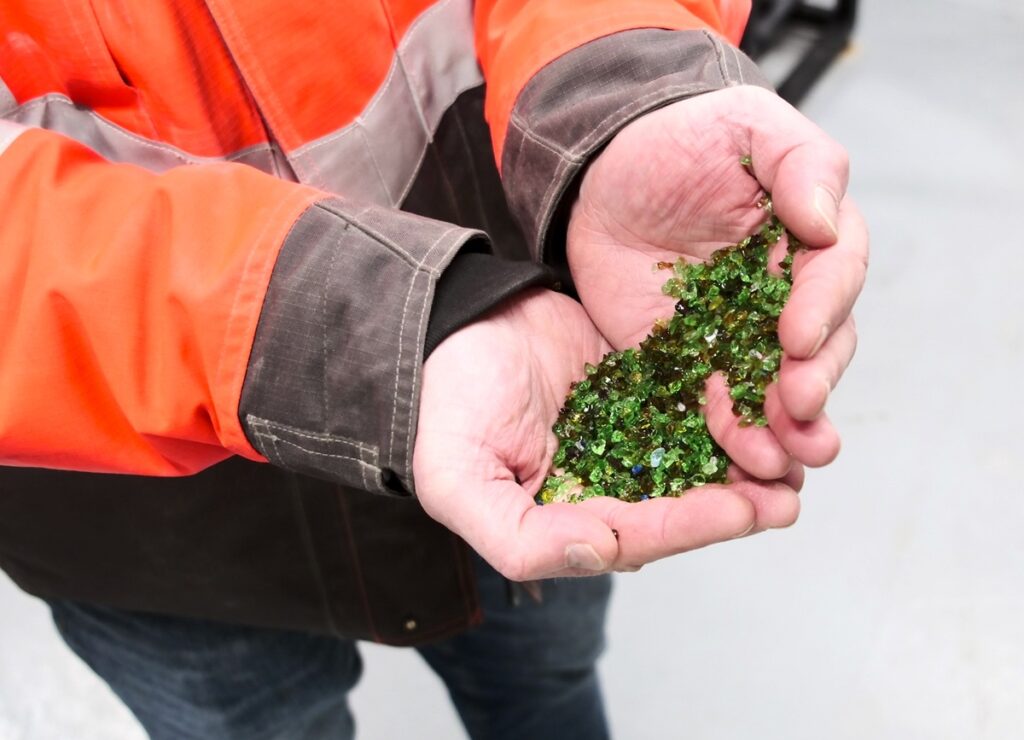
Water Filters from Recycled Glass Thanks to Dryden Aqua and MSort
Scotland, Edinburgh: MSort sorting technology from STEINERT turns green and brown recycled glass into AFM® filter media for water treatment.
Read more
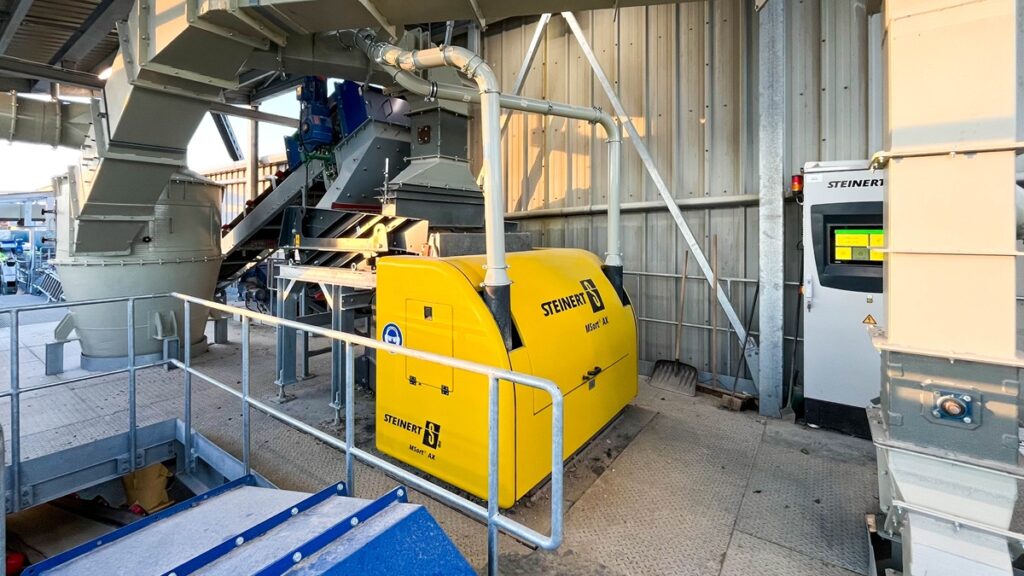
STEINERT MSort is Developing a Cost-Effective Solution for HR Glass Separation
Rejuvenation from within – the MSort technology helps a 10 to 15 years old machine to be upgraded to the...
Read more
Revolutionizing Glass Recycling: The REVIMON Case Study in Portugal
In 2022, REVIMON, a joint venture between TM Recicla and Verallia, embarked on an ambitious glass recycling project located in...
Read more
Artificial Intelligence: The Catalyst Reshaping Glass Recycling — and How PICVISA’s ECOGLASS is Leading the Change
The recycling sector stands on the brink of a transformation, and the driver is clear: Artificial Intelligence (AI). In an...
Read more
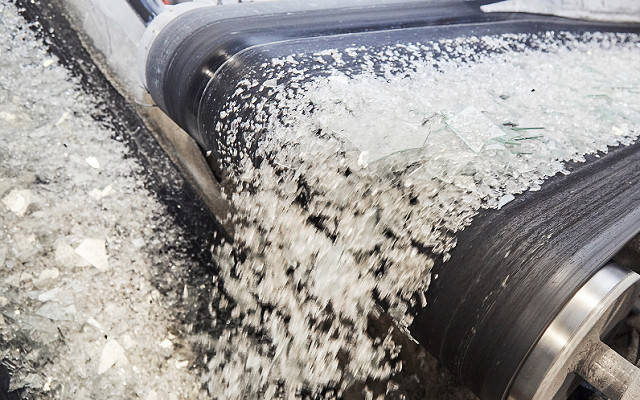
A New Life for Solar Panels: One Step Closer
Maltha Glass Recycling, a European leader in glass recycling and subsidiary of waste-to-product company Renewi, is proud to announce the...
Read more




Latest videos


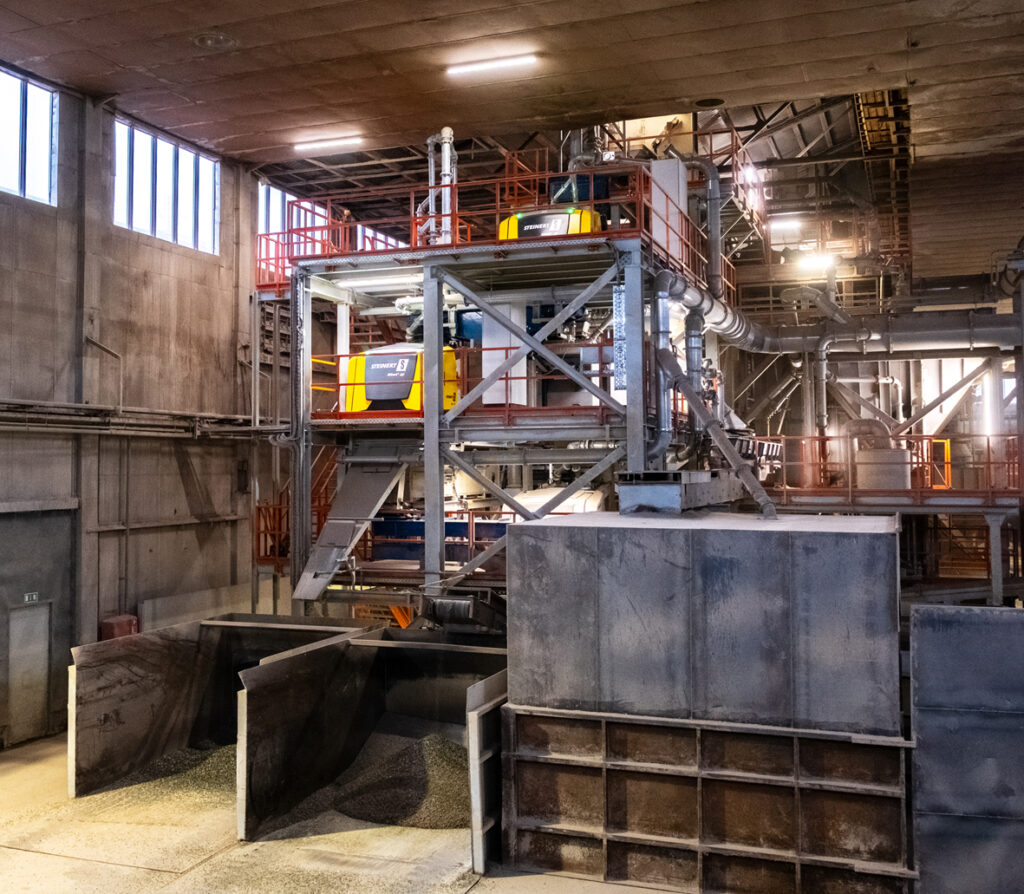
Reiling relies on MSort for glass recycling
At Reiling in Denmark, the STEINERT MSort sorting systems (formerly Mogensen) have been in 24/7 operation for over 16 years....
Read more
PICVISA Revolutionizes Glass Recycling with Artificial Intelligence in ECOGLASS
The new ECOGLASS equipment from PICVISA incorporates Artificial Intelligence (AI), enhancing glass sorting and optimizing the recycling process.
Read more

How Reiling Glas Recycling brings Valuable, Dark Cullet back into Production
The Reiling Group is one of the leading recycling specialists in Germany for glass, plastic (PET), wood and photovoltaic modules....
Read more

The Infinite Cycle of Flat Glass Recycling: A Sustainable Vision
Flat glass is an integral material in construction, automotive, and architecture due to its transparency and resistance to temperature changes.
Read more
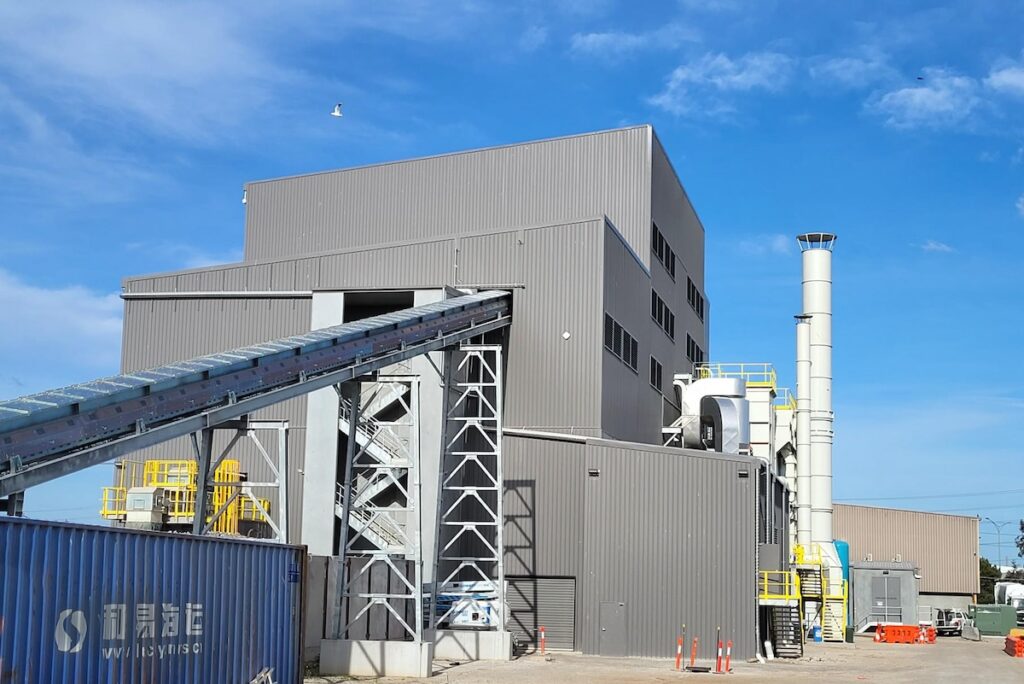
REDWAVE Celebrates Successful Opening of Australia’s Largest State-Of-The-Art Glass Recycling Plant
REDWAVE, the global leader in glass recycling solutions, has supplied Australia's most advanced glass recycling facility, worth around 20 million...
Read more
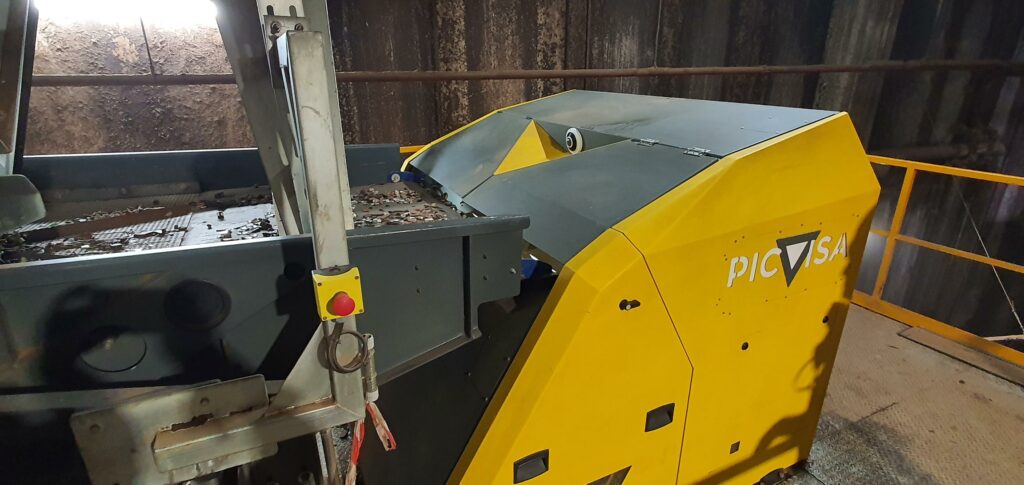
Boosting Glass Recycling in Europe: Challenges, Progress and the Role of MSW Glass Recovery
Glass recycling is a crucial aspect of sustainable waste management in Europe. However, recycling rates vary significantly across countries, with...
Read more
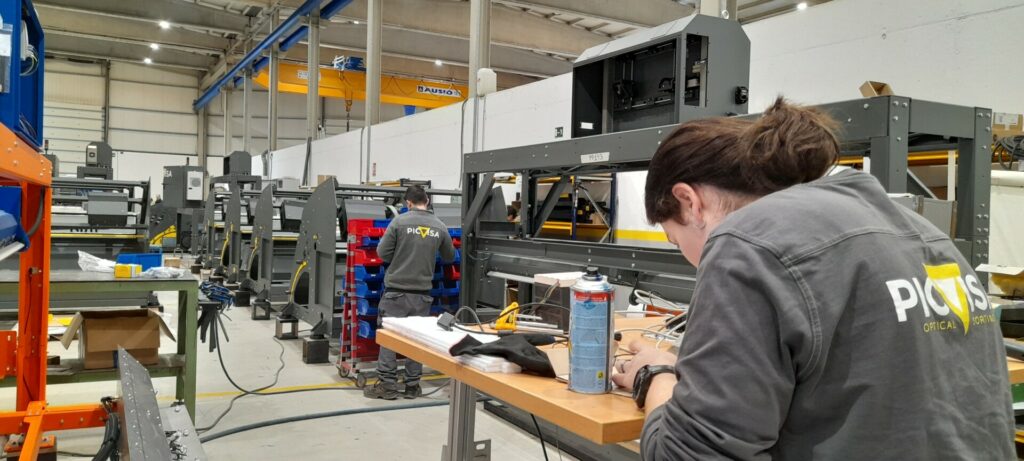
Picvisa Strengthens Position in the Iberian Peninsula in Glass Sorting
Picvisa, leader in glass waste separation solutions, has strengthened its position in the Iberian Peninsula with the sale of a...
Read more


