Raw materials – not substitute building material
“The IRRT process marks the dawn of a new era in the circular economy,” says a convinced Dr Robert Eggersmann. Dr Eggersmann is Head of Digitalisation at Eggersmann and also one of the three Managing Directors of proCLIR. “Although the current use of processed grate ash as a base course material is already substituting building materials, it is not yet recycling in the sense of recovering raw materials. This will change with the new process.” Up to 80 % of the dry mass can be reutilised as fully-fledged raw materials/products in accordance with the REACH Regulation and chemicals and product legislation (ECHA). Specifically, this involves the mineral content and the glass contained in the bottom ash. “The aggregate produced with our process fulfils the strict requirements of EU 305/2011 and DIN EN 12620, which means it can be used in concrete production for high-quality building materials and replaces natural products such as sand and gravel, which are already in limited supply.
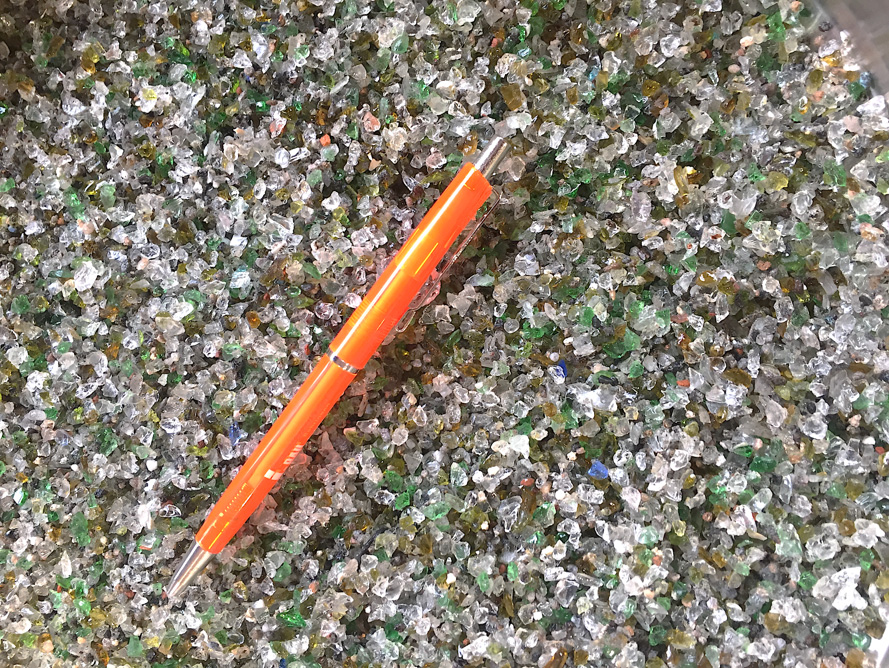
At the same time, this significantly reduces the amount of waste material that has to be landfilled,” explains Claus Gronholz. As Head of Research and Development at proCLIR, he is the mind behind the new process. Since 2009, he has been researching solutions for the treatment of bottom ash for H.U.R. Hamburg GmbH (Hamburger Umwelt Recyclingtechnologien) at its own research centre in Bispingen. With the new IRRT process (“IRRT” for “Innovative Resource Recovery Technology”), up to 95 % of the aggregate contained in the ash is to be extracted and processed from now on – the company also claims a very high value of 85 % for glass. The processes commonly used in the industry to date do not generally provide for the processing of these materials. According to Gronholz, glass also offers great economic potential: “The glass produced with IRRT is so pure that it can be used for the production of foam glass, a building insulation material, without further processing. In other words, the very insulating material that plays an important role in the energy-efficient refurbishment of buildings due to its diverse properties.” The aggregate produced using the IRRT process is marketed under the name “UltraLit®” and the glass obtained under the name “UltraSilit®”.
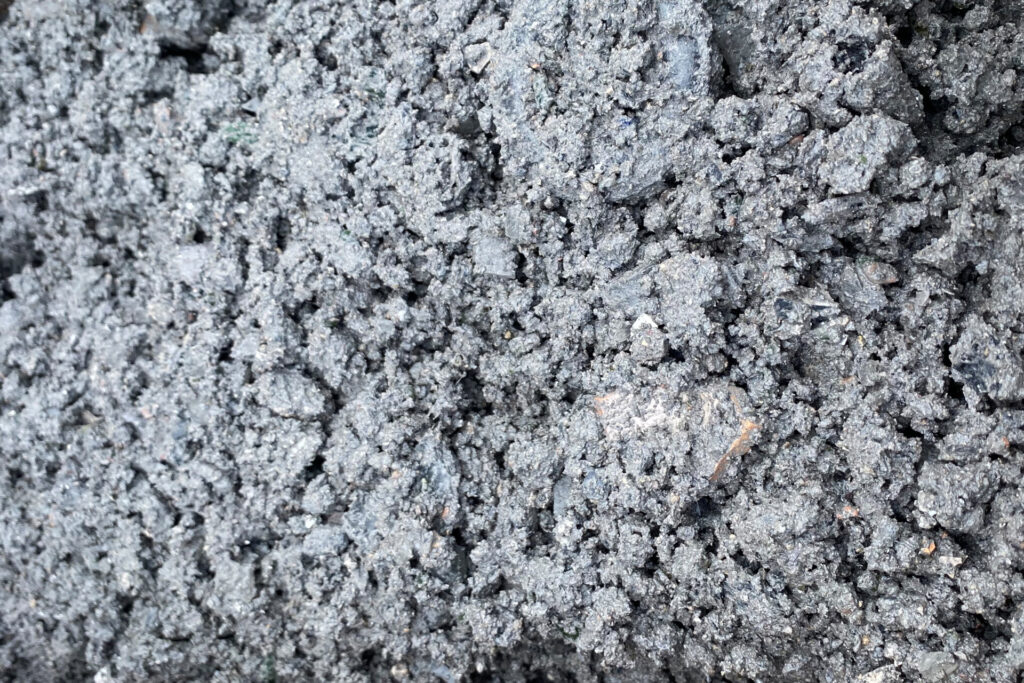
Metal recovery at the highest level
The recovery of metals in bottom ash is already practised in almost all processing plants due to the high material value and the simple extraction of magnetic iron in particular. Nevertheless, with the new IRRT process, proCLIR promises a new dimension in processing here too: whereas the recovery rate of previous processes for ferrous metals and stainless steel is around 80 %, up to 95 % is possible with IRRT. The recycling rate is even higher for non-ferrous metals and precious metals. Compared to the previous state of the art of up to 64 %, proCLIR has a rate of up to 90 %. This high figure is due, among other things, to the recovery of non-ferrous metals and precious metals in high-purity quality from a particle size of 0.5 mm.
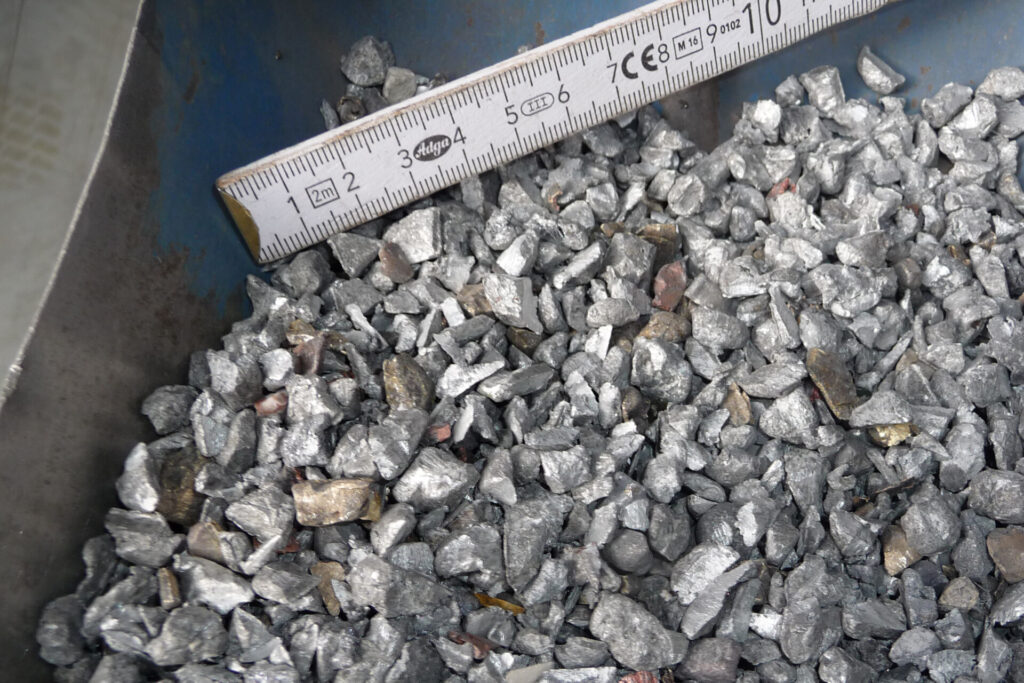
Positive environmental balance
With the IRRT process, raw material equivalents to primary raw materials are obtained from the IBM, which, due to their purity and quality, replace the production of these raw materials from primary resources. This is a decisive factor in establishing a resource-efficient circular economy.
The raw materials produced in the IRRT process offers a significant CO2 savings potential by replacing primary extraction. These raw materials include
… the metals: iron, aluminium, copper, stainless steel, zinc, lead, gold, silver
… the glass: RC glass UltraSilit for the production of building insulation materials made of foam glass
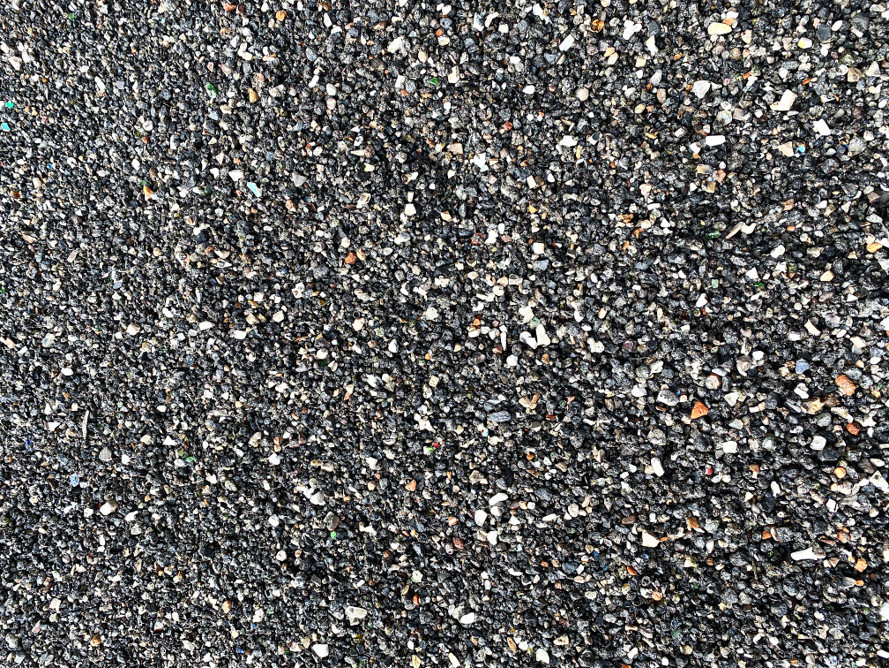
… the building product: UltraLit aggregate as a sand or gravel substitute for concrete
High economic efficiency
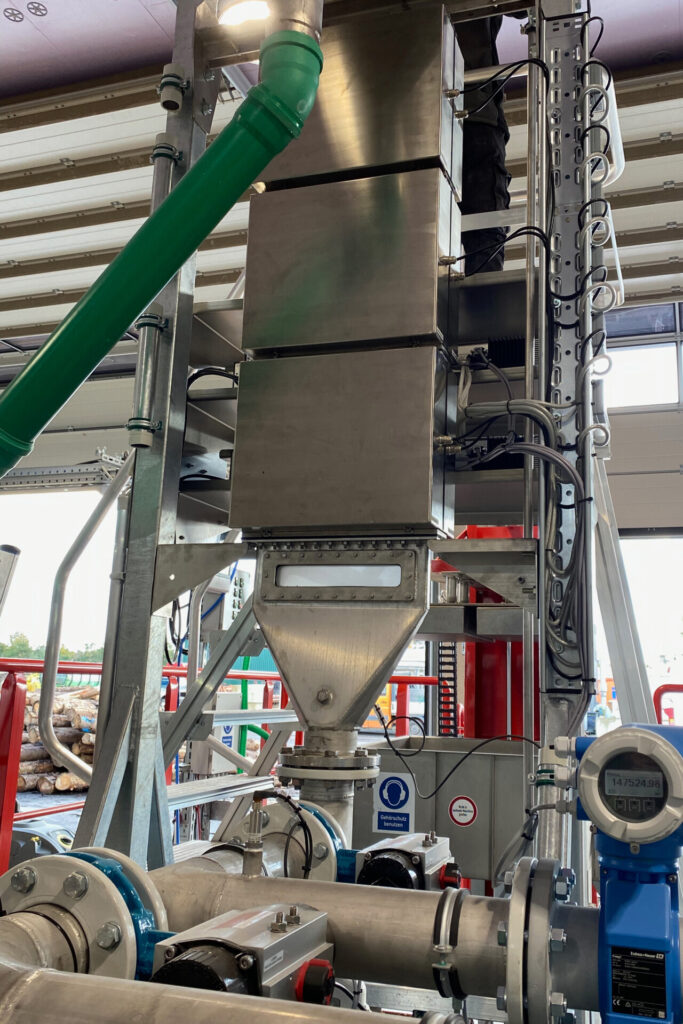
Fine aluminium can hardly be recovered with previous processes, as the fresh slag is usually stored for several weeks for carbonation. During this time, the valuable aluminium decomposes. The IRRT process, on the other hand, works with a specially developed, dynamic carbonation of the fresh slag. Firstly, this eliminates the time-consuming and space-intensive storage of the enormous quantities of IBM and secondly, the aluminium does not have time to oxidise. In addition, the entire IRRT process is particularly low in consumption and therefore very economical: “Our water consumption in particular is extremely low. Many processes work with a water to solids ratio of 5 to 1 – we manage with just 0.3 to 1 and don’t even need fresh water for the treatment. This significantly reduces costs, simplifies authorisation procedures and makes an IRRT plant wastewater-free,” explains André Gronholz. André Gronholz is Claus Gronholz’s son and supports his father in the development of the process. He manages the pilot plant in Bispingen and is also Managing Director at proCLIR. He adds: “The recovery of the metals alone makes the process highly economical and requires no additional payment from the waste incineration plant operator. Together with the marketing of the aggregate and the glass, amortisation can be expected within just 4 to 5 years.” Both the high quality of the raw materials produced and the particular efficiency of the process itself are attributed to three specially developed systems. At the heart of IRRT are dynamic carbonation (DyCAR), high-speed decomposition (RoTAC) and high-frequency cleaning (ReUST).
Up to 70 % less landfill mass
As IBM is cooled in a water bath after thermal treatment, the water content is quite high. In the first step of the IRRT process, the water still contained in the fresh bottom ash is therefore vaporised in a drying process. Up to 80 % of the remaining dry mass can then be used to produce directly marketable raw materials of high purity and quality. In total, only around 20 % of the original material remains for landfill. However, this remainder of fines and process water sludge has pozzolanic properties and solidifies by itself when mixed. This automatically creates a pollutant sink in accordance with the DK-1 specifications.
“Waste incineration is unavoidable”
“Waste incineration is unavoidable by today’s standards. What can be avoided, however, is the loss of raw materials that end up in the IBM during the thermal treatment of waste,” explains Jörg Eckardt, the third Managing Director. He has been working in the industry for 30 years and has experience as a managing director in waste incineration plant construction. “As the thermal treatment of waste performs indispensable tasks in waste management and the idea of endless waste recycling is still pure theory for the time being, we have to get to grips with it. More and more countries are facing massive environmental problems as a result of landfilling. Incineration reduces the amount of landfill by around 75 %, thus minimising the environmental impact and at the same time utilising the energy potential in household waste, which is comparable to that of lignite, for example, but has far less environmental impact thanks to the technologies available today. Objectively speaking, waste incineration plants will therefore continue to have their raison d’être.” Claus Gronholz adds: “This was precisely the driving force behind the development of the process. It had to be a practical solution that focusses on the entire recycling potential of IBM and can be implemented directly in waste incineration plant operation. This is where the IRRT process can realise its full potential and offer a way to make thermal treatment significantly more sustainable.