



Open — awaiting an expert
How should we configure a 30–100 t/h C&D recycling plant for certified recycled aggregates and eco-blocks?
We are a start-up in central Portugal preparing a construction and demolition waste (CDW) recycling plant. We have identified an industrial site with a covered hall, a large outdoor storage and sorting yard, an operating concrete block machine and an idle mini batching plant. We are in the feasibility stage and want to select a technical concept and request Capex quotations within the next three to six months, with a pilot plant running within 12 to 18 months.
Input. Pilot phase approx. 30–50 t/h (15,000–25,000 t/year), scalable to 80–100 t/h (50,000+ t/year). Mainly concrete, bricks and masonry, tiles and ceramics, and mixed mineral C&D fractions (EWC 17 01 01, 17 01 02, 17 01 03, 17 01 07 and 17 09 04), with minor fractions of wood, metals, plastics and gypsum that must be removed before crushing.
Output. Calibrated recycled aggregates (0/4, 4/12 and 12/32 mm, plus all-in and sub-base) to EN 12620, with CE marking and factory production control, and the Portuguese LNEC specifications. The aggregates go into non-structural concrete, masonry blocks with a high recycled content, pavers, kerbs, urban furniture and technical backfill. We would also like digital batch traceability in line with the revised EU Construction Products Regulation.
Our questions to the experts:
- Which configuration fits this input and capacity best: a modular or semi-mobile crushing and screening unit combined with stationary pre-sorting, or a fully stationary line? And which crushing sequence would you choose (jaw, impact, cone)?
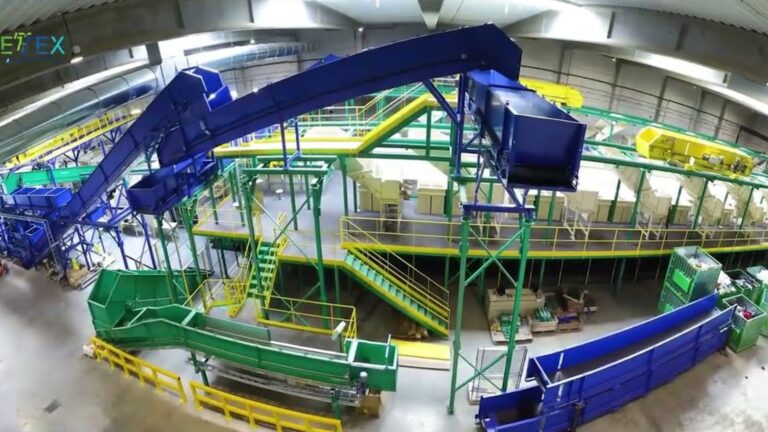
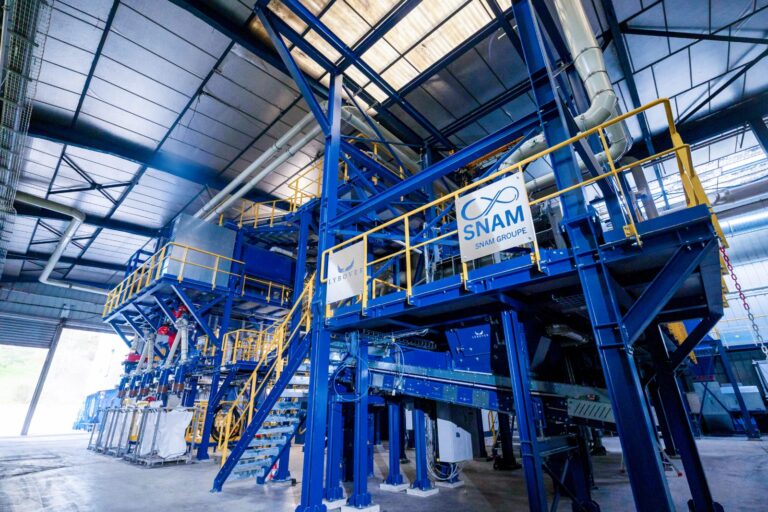
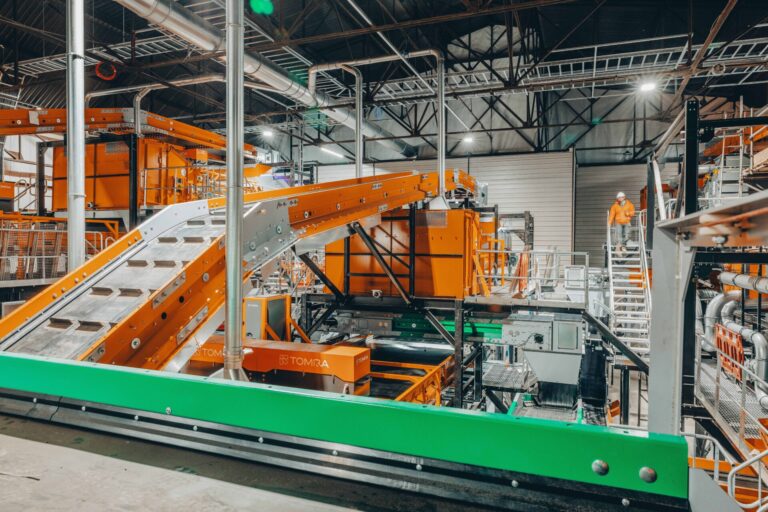
- How do we remove wood, plastics, light fractions and gypsum reliably: manual or robotic pre-sorting, air classification and wind sifting, or a wet process? When is washing worth the investment, for example for the 0/4 mm fraction?
- Where in the line do overband magnets and other metal separation steps belong?
- What does it take to meet EN 12620 consistently, in particular on sulphate (gypsum) content, fines and the share of brick and ceramics in the aggregate?
- What are the typical pitfalls when scaling up from 30–50 t/h to 80–100 t/h, and what should the site layout take into account from day one?