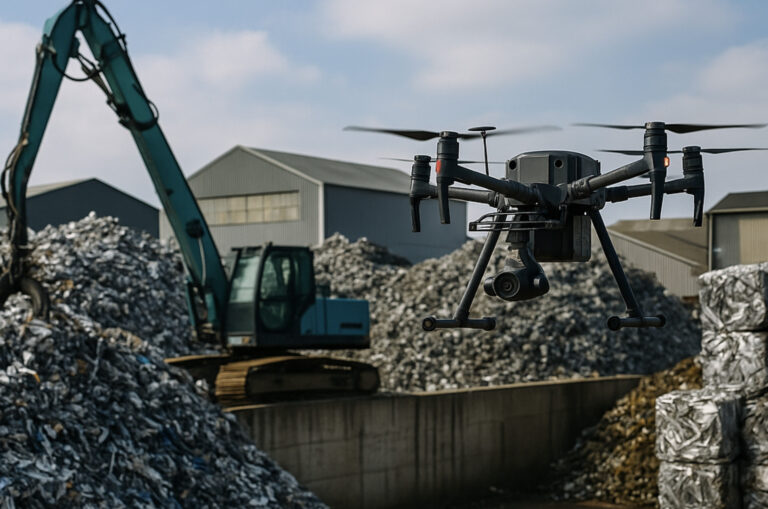
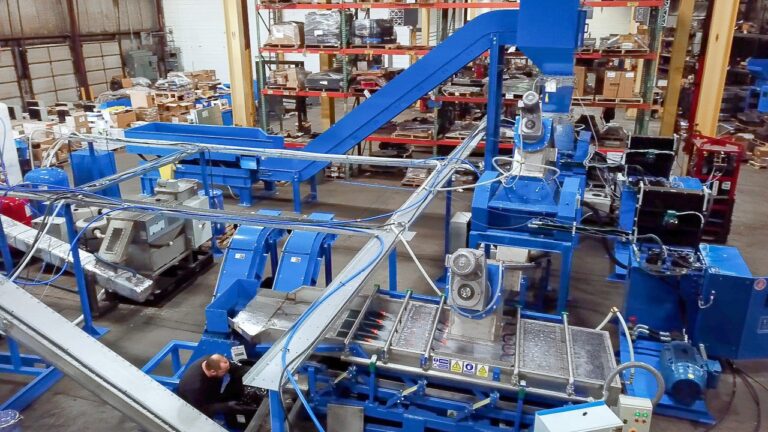
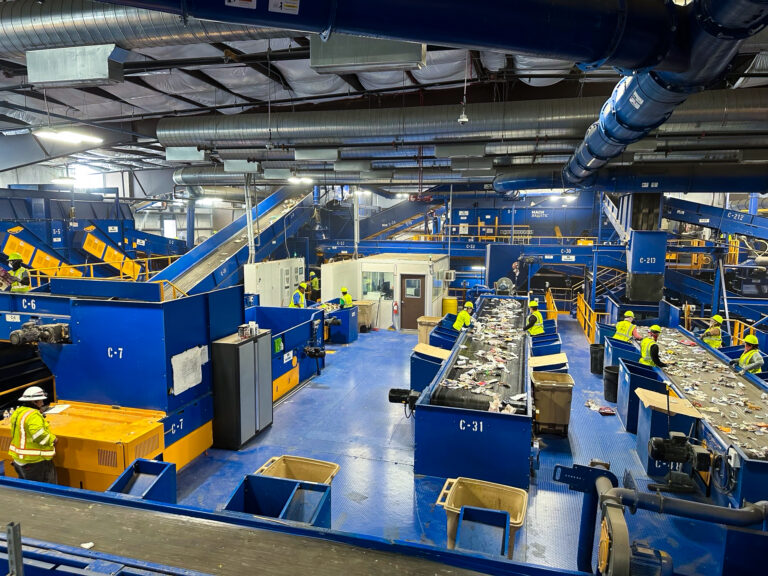
12 Technology Zones for recycling and waste processing, from shredding and sorting to balers, conveying and thermal treatment. Each zone brings together the latest news, product videos and the manufacturers active in it.
22 recycling markets, from plastics, paper and metals to e-waste, end-of-life vehicles and construction waste. Per market: the latest news and the manufacturers that serve it.
Fire detection and safety systems protect recycling plants against fires that start in stored waste, shredders and lithium-ion batteries. This zone covers early-warning and spark detection, thermal imaging, suppression and extinguishing systems, battery-safe handling and the compliance side of plant safety.
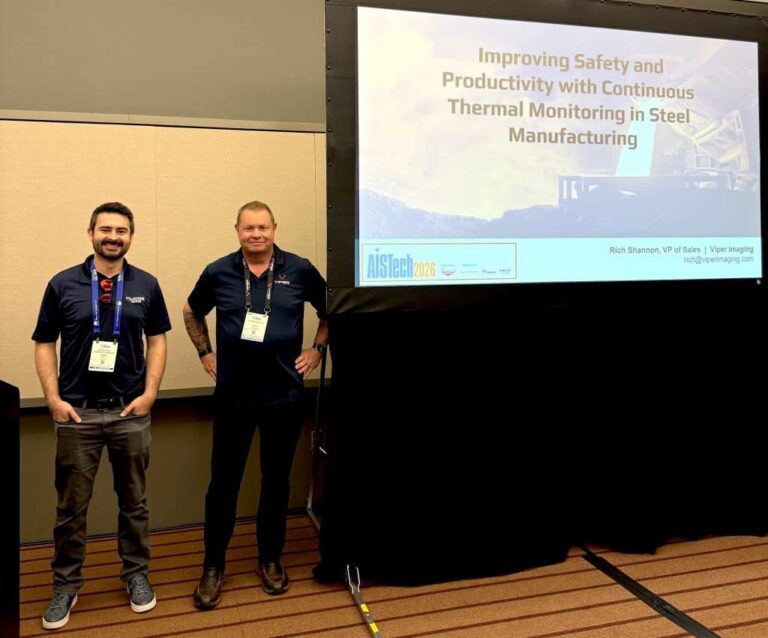
As safety initiatives reshape steel production, operators are being moved further from high-risk areas like the Electric Arc Furnace (EAF). While this improves safety, it also introduces new…
Fire Detection and Safety: how it works, key numbers and troubleshooting
Fundamentals
Why recycling plants burn
Recycling plants store large volumes of combustible material — paper, plastics, wood, textiles, tyres, organics — often in deep piles that self-heat, and they process it with machines that generate sparks, heat and dust. Lithium-ion batteries in the waste stream are now the single most common ignition source: crushed in a shredder or a baler, they ignite within seconds. Add hot loads from vehicles, electrical faults and arson, and the question is not whether a plant will have a fire but how fast it is found and stopped.
Detection
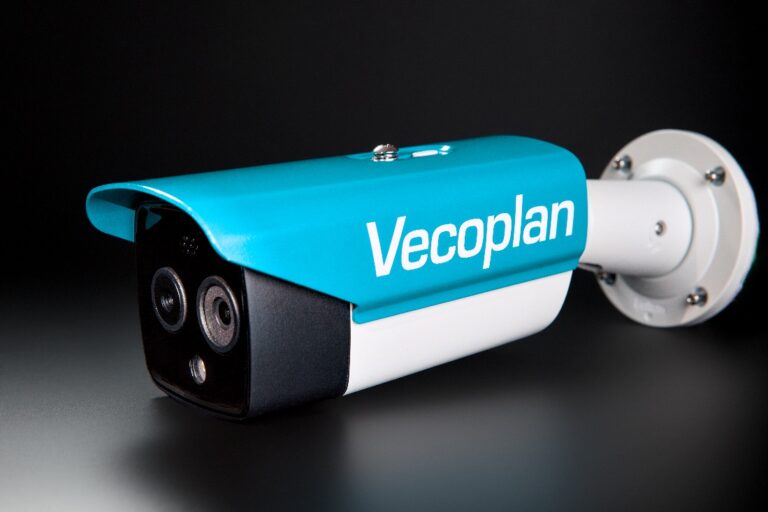
Thermal imaging cameras scan stockpiles, bunkers and tipping floors for hot spots long before flames; spark detectors in ducts and on conveyors catch sparks leaving a shredder; linear heat detection, flame detectors and aspirating smoke detection cover halls where conventional smoke detectors would false-alarm on dust. The detection layer must be matched to the fire type: a smouldering pile, a spark in a duct and a battery flare-up need different sensors.
Suppression and extinguishing
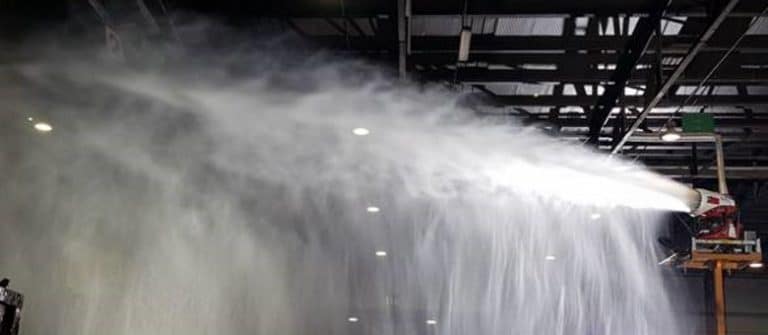
Automatic water cannons (monitors) aimed by the thermal cameras put water on a hot spot in the pile within seconds; sprinklers and deluge systems protect halls and machinery; spark extinguishing injects water into a duct within milliseconds of detection; foam and gas systems protect enclosed spaces such as shredder chambers and electrical rooms. Fast, targeted response beats large volumes of water applied late — and reduces the fire-water runoff problem.
Prevention: batteries, storage and housekeeping
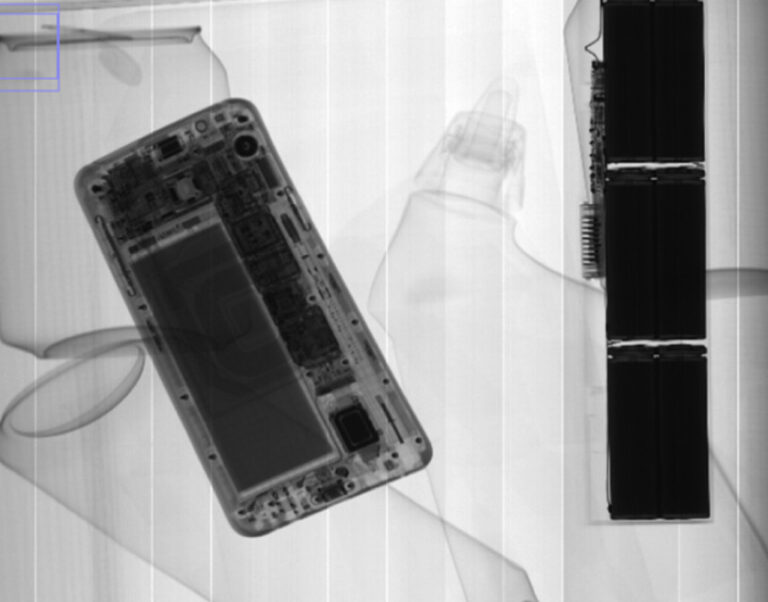
Battery removal at reception (manual, X-ray or AI-camera sorting), limits on pile height and storage time, separation distances between piles, temperature monitoring of stored material, cleaning of dust and litter, and no-hot-work rules cut the number of incidents. A fire safety plan that says which material is stored where, for how long, and how it is separated is what insurers and permits now require.
Machine safety and explosion protection
Shredders, balers and compactors cause the most serious injuries in recycling: guards, interlocks, lockout-tagout and remote jam clearing are the basics. Dust from shredding paper, plastics and wood is combustible and dust collectors, silos and enclosed conveyors need explosion protection; gas from organics and landfill-type storage needs monitoring. A dust hazard analysis and a fire risk assessment belong together.
Key parameters
Parameter
Typical range
Rule of thumb
Thermal camera coverage
Detection of hot spots from ~60–80 °C; scan interval seconds; range 20–100 m
Cover every pile and bunker from two angles
Spark detection response
Detection to extinguishing < 300 ms
Detector and nozzle distance sized on duct velocity
Water monitor response
Aim and discharge within 10–30 s of alarm; 1,000–5,000 l/min
Automatic aiming by the camera, manual override
Pile height and storage time
≤ 4–6 m for combustible piles; RDF/SRF and organics ≤ 1–3 months
Self-heating risk grows with height, moisture and time
Separation distance between piles
≥ 6 m or a fire wall
Prevents one pile igniting the next
Battery detection at reception
Manual + X-ray or AI camera; removal rate as KPI
Every battery found at reception is a fire that did not start in the shredder
Fire-water retention
Hours of full discharge retained on site
Contaminated fire water must not reach surface water
Dust explosion data
Kst, MIE, MIT measured on the plant's own dust
Shredder dust from paper, plastics and wood is usually St 1
Troubleshooting
Symptom
Likely causes
What to do
Repeated fires in the shredder
Lithium batteries, aerosols, hot metal, dust build-up
Battery removal at reception, spark and heat detection on discharge, water injection in the chamber, cleaning
Smouldering in stored material
Piles too high or too old; wet organics; compacted RDF; batteries in the pile
Thermal camera monitoring, pile limits, first-in first-out, turning or removing hot material
False alarms from smoke detectors
Dust and steam in the hall
Aspirating detection with filters, thermal or flame detection instead of point smoke detectors
Fire spreads from a pile to the hall
No separation distance; combustible walls; late detection
Separation distances or fire walls, detection on every pile, automatic monitors
Spark extinguishing system trips constantly
Hot particles from the shredder that are not sparks; sensitivity; steam
Detector type and sensitivity, spark trap, root-cause the source
Baler or shredder injury or near-miss
Clearing jams by hand; bypassed interlocks; no lockout
Interlocked guards, lockout-tagout, remote jam clearing, training
Insurer demands more
No fire safety plan; no thermal monitoring; storage beyond limits
Written plan with storage limits, detection and suppression documentation, battery procedure
Engineers and product specialists who answer technical questions from readers. The answer comes back to you by e-mail; when we publish it, other readers benefit too.
No field expert for this zone yet — your question still reaches our editors.
What is the most effective single measure against fires in a recycling plant?
Keeping lithium batteries out of the shredder and the baler: manual picking at reception supported by X-ray or AI camera detection, clear procedures for what to do with a found battery, and a KPI on batteries removed. After that, thermal imaging with automatic water monitors on every stockpile — fires are caught as hot spots instead of as flames.
Thermal cameras or conventional fire detection?
Both, for different fires. Thermal cameras see a hot spot in a pile or bunker hours before it flames and can aim a water monitor at it; they are the standard for storage areas and tipping floors. Spark detection covers ducts from shredders; aspirating smoke detection and flame detectors cover halls and machinery where dust would make conventional smoke detectors useless.
How high can I store combustible material?
Insurers and many permits now limit piles of paper, plastics, RDF and wood to about 4–6 metres, with separation distances of several metres between piles or fire walls between them, and storage times measured in weeks to a few months for material that self-heats. Higher and longer means more self-heating and a fire that is harder to reach.
Why does stored RDF or wood self-heat?
Biological activity in moist organic material and slow oxidation raise the temperature inside a compacted pile; the pile insulates itself, the heat cannot escape, and above roughly 80 °C the process accelerates towards ignition. Height, moisture, compaction and time are the drivers; monitoring, turning and first-in-first-out are the controls.
Do I need explosion protection in a recycling plant?
Wherever fine combustible dust is collected or enclosed: dust collectors on shredders and sorting lines, silos for shredded material or fines, enclosed conveyors and bunkers. Paper, plastic and wood dust from shredding is combustible; have it tested (Kst, MIE) and fit venting or suppression, isolation and spark detection where the analysis requires.
How do I deal with fire water?
Fire water from a recycling fire carries contaminants and must be retained on site — permits typically require retention of several hours of full discharge. Design the yard drainage with shut-off valves and retention basins, and prefer targeted suppression (monitors, spark extinguishing) that uses less water than a full deluge.
What should be in a fire safety plan?
A site plan with storage areas, maximum pile sizes and separation distances; storage-time rules; the battery procedure; the detection and suppression systems with their coverage; alarm and evacuation procedures; fire-water retention; hot-work rules; housekeeping; training records; and a review after every incident. Insurers and authorities will ask for exactly this document.
What is the difference between this Technology Zone and the Equipment Guide?
The zone is the editorial side: news, case studies, videos, newsletter editions and field experts. The Equipment Guide is the directory side: equipment types and the manufacturers that build them. This page links to its Equipment Guide category and back.
How do I find a manufacturer of fire detection and safety equipment?
Open the Equipment Guide category for this zone, pick an equipment type and open a manufacturer profile. Partner profiles carry direct contact details; other listings link to the company website.
Can I ask a technical question before I buy?
Yes. Ask the Expert puts your question to a field expert in this zone. The answer comes back to you by e-mail; when we publish it, other readers benefit too.
Your company in this zone?
A basic listing in the Equipment Guide is free. Enhanced and Partner listings add products, videos, an expert profile and a place in the Weekly E-Update.
To provide the best experiences, we use technologies like cookies to store and/or access device information. Consenting to these technologies will allow us to process data such as browsing behavior or unique IDs on this site. Not consenting or withdrawing consent, may adversely affect certain features and functions.
Functional
Always active
The technical storage or access is strictly necessary for the legitimate purpose of enabling the use of a specific service explicitly requested by the subscriber or user, or for the sole purpose of carrying out the transmission of a communication over an electronic communications network.
Preferences
The technical storage or access is necessary for the legitimate purpose of storing preferences that are not requested by the subscriber or user.
Statistics
The technical storage or access that is used exclusively for statistical purposes.The technical storage or access that is used exclusively for anonymous statistical purposes. Without a subpoena, voluntary compliance on the part of your Internet Service Provider, or additional records from a third party, information stored or retrieved for this purpose alone cannot usually be used to identify you.
Marketing
The technical storage or access is required to create user profiles to send advertising, or to track the user on a website or across several websites for similar marketing purposes.
Get compact market and technology updates twice a week — with editorial insights and key industry news delivered straight to your inbox. No spam, only practical insights for recycling professionals.
Tuesday: Weekly E-Update (5-minute summary)
Thursday: Market/Technology Focus (in-depth case)
Independent editorial selection — no sales pitches