12 Technology Zones for recycling and waste processing, from shredding and sorting to balers, conveying and thermal treatment. Each zone brings together the latest news, product videos and the manufacturers active in it.
22 recycling markets, from plastics, paper and metals to e-waste, end-of-life vehicles and construction waste. Per market: the latest news and the manufacturers that serve it.
Hazardous and toxic waste recycling covers the safe collection, treatment and recovery of waste streams that need special handling — from solvents, sludges and contaminated soil to industrial, chemical and medical residues.
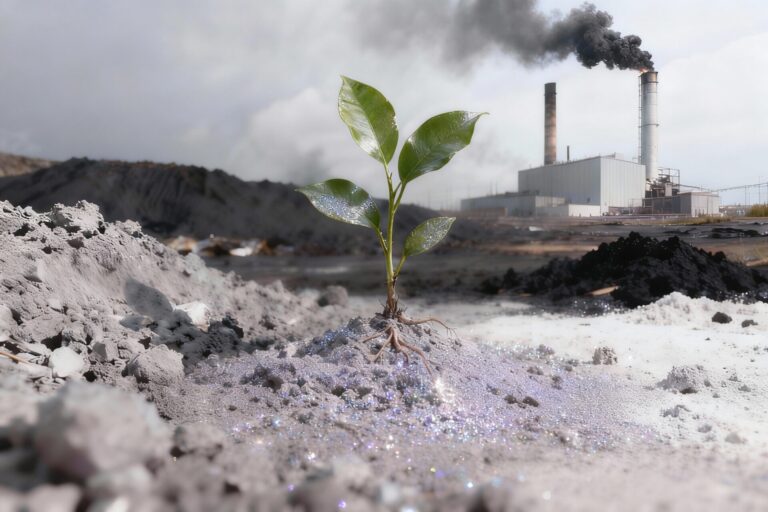
The treatment of fly ash is one of the key challenges in modern waste incineration plants. With its FLUWA process, AIK Technik AG has developed a solution that…
Engineers and product specialists who answer technical questions from readers. The answer comes back to you by e-mail; when we publish it, other readers benefit too.
No field expert for this market yet — your question still reaches our editors.
Every Thursday edition takes one market or technology in depth. These are the editions on this market — read them online or get the next one by e-mail.
Waste is classed as hazardous when it has properties that can harm people or the environment, such as being flammable, corrosive, toxic, reactive or infectious. The EU defines these as hazardous properties in the Waste Framework Directive, while US federal rules look at ignitability, corrosivity, reactivity and toxicity. Typical streams include solvents, acids, industrial sludges, contaminated soil, certain ashes and medical residues.
What is the difference between hazardous waste and toxic waste?
Toxic waste is a subset of hazardous waste. Toxicity means the material can cause harm when inhaled, swallowed or absorbed, or when it leaches into soil and water. Hazardous is the broader term and also covers waste that is dangerous for other reasons, such as flammable solvents or corrosive acids that are not necessarily toxic.
Which hazardous waste streams can be recycled?
Several streams have established recovery routes. Spent solvents can be distilled and reused, used oils can be re-refined, lead-acid batteries yield lead and plastics, and metal-bearing sludges, catalysts and fly ash can be processed for their metals. Fluorescent lamps are treated to capture mercury and recover glass. Whether recovery makes sense depends on the composition, the contamination level and the volumes available.
What happens to hazardous waste that cannot be recovered?
It goes to treatment that destroys the hazardous components or makes them safe. Common routes are physico-chemical treatment such as neutralisation and precipitation, high-temperature incineration with flue gas cleaning, and stabilisation or solidification before disposal in a specially engineered landfill. Infectious medical waste is often disinfected by autoclave or microwave treatment, or incinerated.
What equipment is used to process hazardous waste?
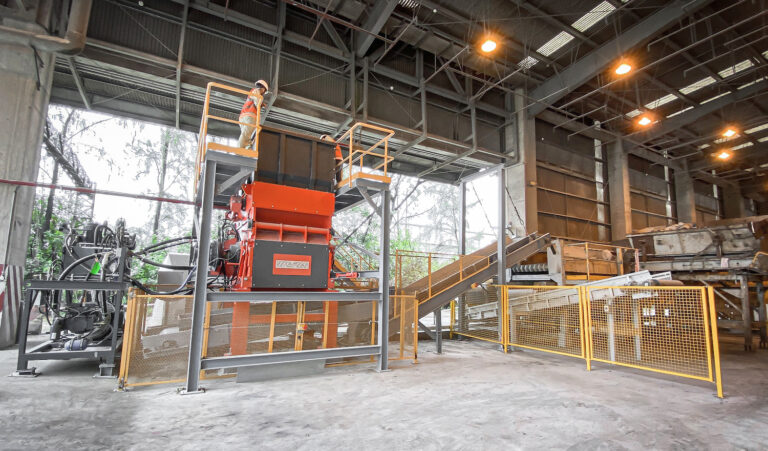
A plant typically combines drum and container handling, shredders, mixing and blending systems, and separation equipment such as filter presses and centrifuges. Solvent recovery relies on distillation units, while rotary kilns handle thermal treatment. Scrubbers, filters and gas monitoring protect the air and the workforce, and many installations use sealed or explosion-protected designs because of the materials involved.
Why is hazardous waste often shredded in an inert atmosphere?
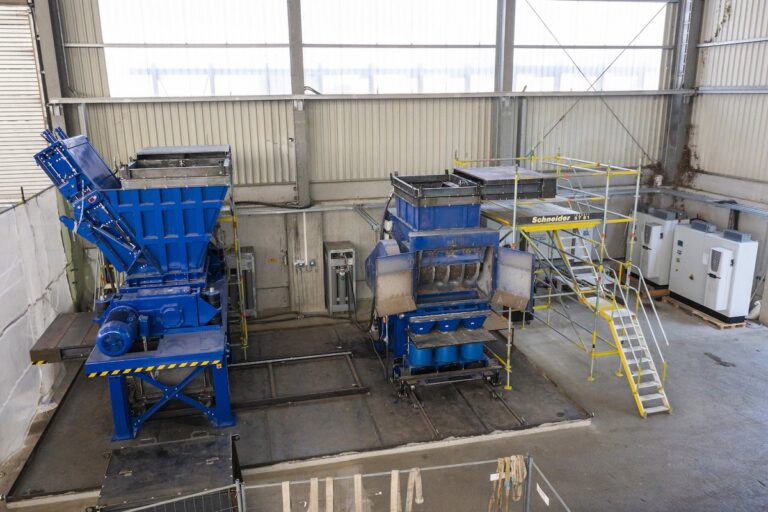
Shredding opens drums, cans and packaging that may still contain flammable residues, while the cutting action can create sparks and heat. Replacing the oxygen in the shredding chamber with nitrogen or carbon dioxide removes one of the conditions a fire or explosion needs. Oxygen levels are monitored continuously, so that the process can stop or correct itself if they rise too far.
How can metals be recovered from incinerator fly ash?
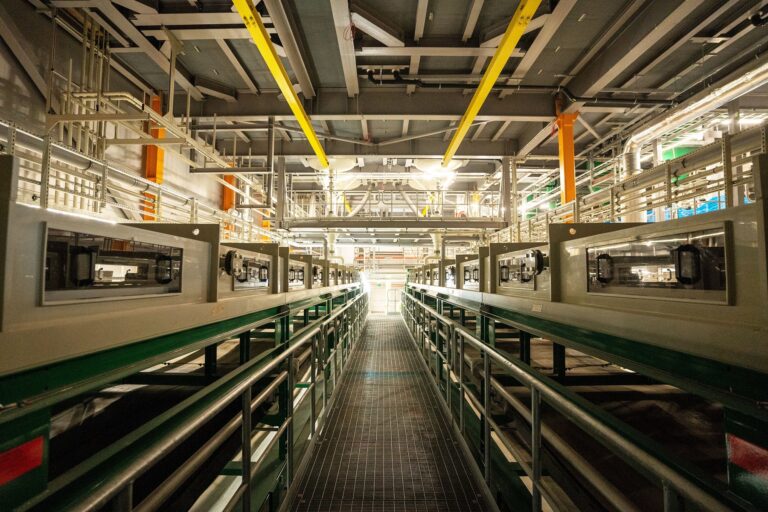
Fly ash from waste incineration concentrates heavy metals and soluble salts, which is why it is usually handled as hazardous waste. Washing processes use water or acidic solutions to dissolve the salts and part of the metals, and zinc and other metals can then be recovered from the resulting liquid. The washed residue is cleaner and easier to dispose of, although it still has to meet the applicable limits.
What regulations apply to hazardous waste?
In the EU, the Waste Framework Directive and the European List of Waste determine what is hazardous and how it must be managed, while the Waste Shipment Regulation covers movements across borders. Internationally, the Basel Convention controls transboundary shipments. In the United States, the Resource Conservation and Recovery Act governs hazardous waste from generation to disposal. Road transport in Europe also falls under the ADR rules for dangerous goods, and national rules add further requirements.
What are the main safety risks in hazardous waste handling?
The main risks are fire and explosion, exposure to harmful substances, and reactions between incompatible materials. Pressurised canisters and mislabelled containers are a particular problem because they can enter a process undetected. Plants reduce these risks through acceptance testing, strict segregation, explosion-protected equipment, ventilation, gas detection, fire suppression and protective equipment, along with staff trained for the specific materials on site.
What trends and technologies are shaping hazardous waste treatment?
Attention is shifting from disposal towards recovery, particularly for metals in ashes, sludges and residues. PFAS contamination is driving demand for soil remediation and destruction technologies, while more plants are using automated handling and remote operation to keep people away from dangerous materials. Digital waste tracking is also gaining ground, making it easier to document what was shipped, where it went and how it was treated.
How do I find an equipment manufacturer for hazardous & toxic waste?
Use the Manufacturers Directory A–Z or the Equipment Guide. Partner profiles carry direct contact details; other listings link to the company website.
Can I ask a technical question before I buy?
Yes. Ask the Expert puts your question to a field expert active in Hazardous & Toxic Waste. The answer comes back to you by e-mail; when we publish it, other readers benefit too.
Want to be the expert readers ask?
Field experts get a byline, a company profile and direct questions from readers. Partner packages add product visibility and a place in the Weekly E-Update.
To provide the best experiences, we use technologies like cookies to store and/or access device information. Consenting to these technologies will allow us to process data such as browsing behavior or unique IDs on this site. Not consenting or withdrawing consent, may adversely affect certain features and functions.
Functional
Always active
The technical storage or access is strictly necessary for the legitimate purpose of enabling the use of a specific service explicitly requested by the subscriber or user, or for the sole purpose of carrying out the transmission of a communication over an electronic communications network.
Preferences
The technical storage or access is necessary for the legitimate purpose of storing preferences that are not requested by the subscriber or user.
Statistics
The technical storage or access that is used exclusively for statistical purposes.The technical storage or access that is used exclusively for anonymous statistical purposes. Without a subpoena, voluntary compliance on the part of your Internet Service Provider, or additional records from a third party, information stored or retrieved for this purpose alone cannot usually be used to identify you.
Marketing
The technical storage or access is required to create user profiles to send advertising, or to track the user on a website or across several websites for similar marketing purposes.
Get compact market and technology updates twice a week — with editorial insights and key industry news delivered straight to your inbox. No spam, only practical insights for recycling professionals.
Tuesday: Weekly E-Update (5-minute summary)
Thursday: Market/Technology Focus (in-depth case)
Independent editorial selection — no sales pitches