12 Technology Zones for recycling and waste processing, from shredding and sorting to balers, conveying and thermal treatment. Each zone brings together the latest news, product videos and the manufacturers active in it.
22 recycling markets, from plastics, paper and metals to e-waste, end-of-life vehicles and construction waste. Per market: the latest news and the manufacturers that serve it.
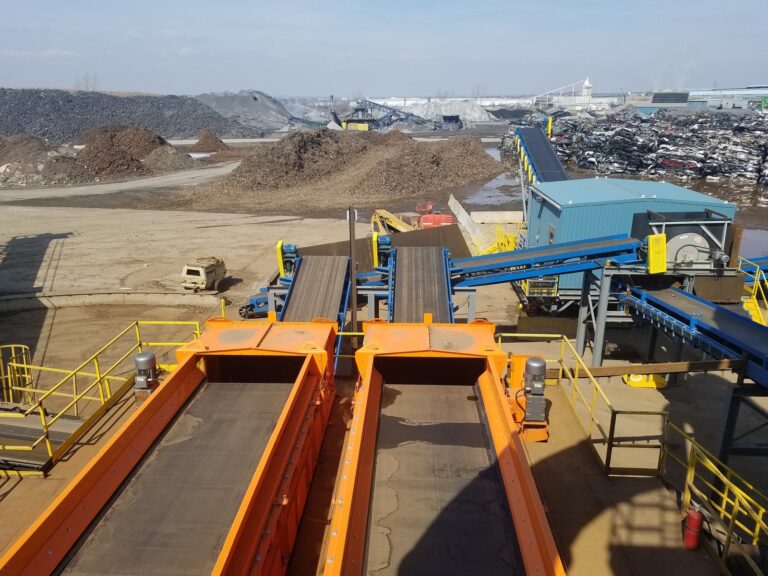
Ferrous scrap recycling collects, shears, shreds, sorts and densifies iron and steel scrap (from end-of-life vehicles, white goods and demolition steel to production offcuts) into furnace-ready feedstock for steelmaking.
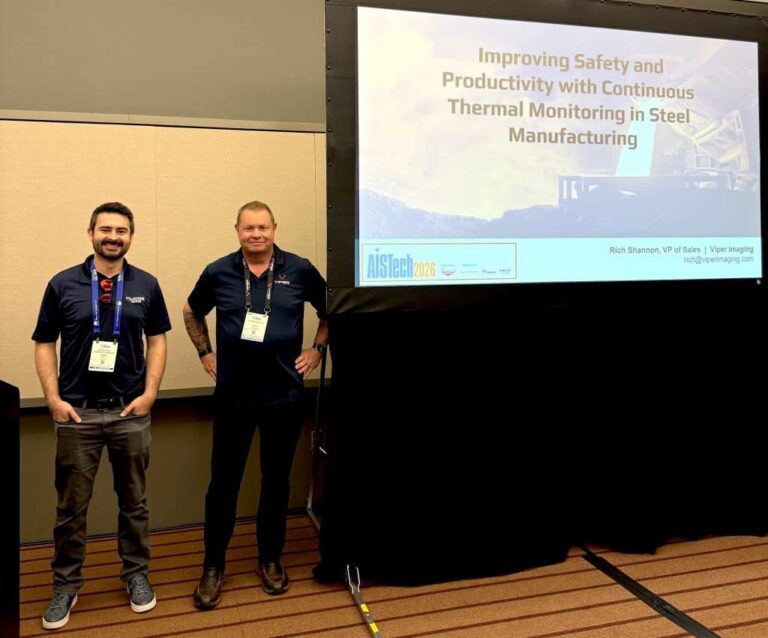
As safety initiatives reshape steel production, operators are being moved further from high-risk areas like the Electric Arc Furnace (EAF). While this improves safety, it also introduces new…
Engineers and product specialists who answer technical questions from readers. The answer comes back to you by e-mail; when we publish it, other readers benefit too.
No field expert for this market yet — your question still reaches our editors.
Frequently asked about ferrous scrap & steel recycling
What is ferrous scrap?
Ferrous scrap is any scrap that contains iron: carbon steel, cast iron and stainless steel. It comes from two main sources. Obsolete or post-consumer scrap is recovered from end-of-life vehicles, appliances, machinery and demolished structures. New or prompt scrap is generated as offcuts, turnings and rejects in manufacturing. Most ferrous grades are magnetic, which makes magnetic separation the backbone of ferrous scrap processing.
How is ferrous scrap processed?
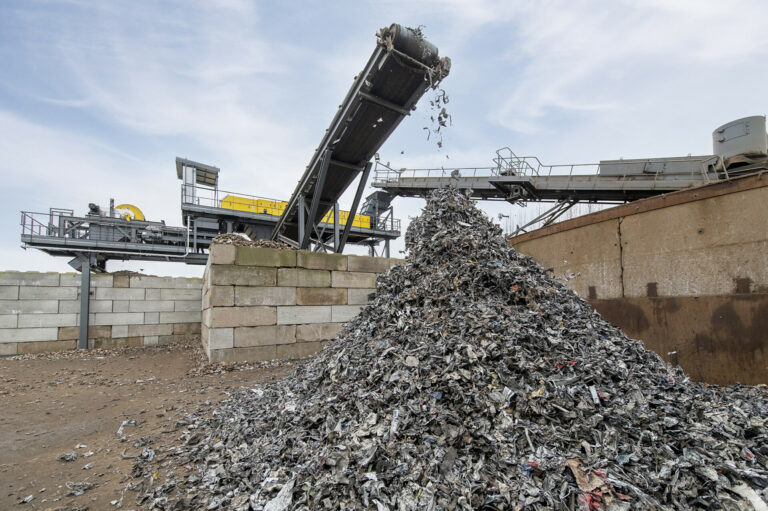
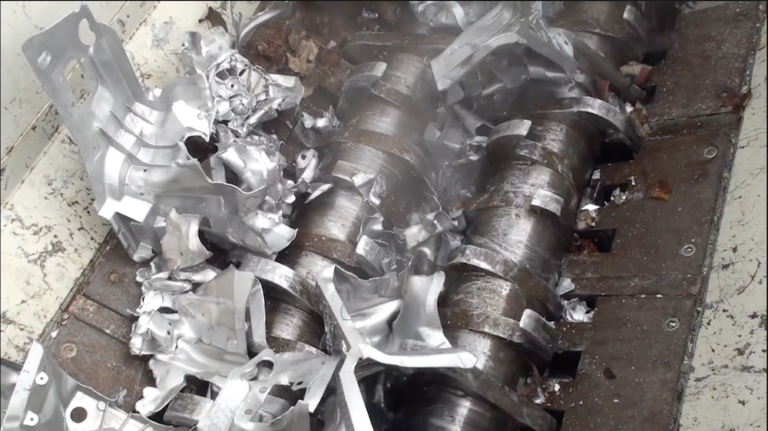
Heavy and oversized scrap is cut to size with mobile, container or guillotine shears. Mixed and light scrap, such as car bodies and white goods, goes through a hammermill shredder that liberates the steel from other materials. Magnetic drums and overband magnets recover the ferrous fraction, air separation removes the light fraction (shredder residue), and balers or briquetting presses densify light scrap and turnings for transport and melting.
Why is copper contamination such a problem in steel scrap?
Copper cannot be removed economically once it is in the steel melt. Residual copper causes surface cracking during hot rolling and limits the steel grades that can be produced. Shredder plants therefore remove motors, wiring and other copper-bearing parts with picking stations and, increasingly, with sensor-based sorting systems that detect copper in the ferrous stream before it leaves the yard.
What role does scrap play in decarbonising the steel industry?
Electric arc furnaces (EAF) melt mainly scrap and produce far less CO2 per tonne than the blast furnace and basic oxygen furnace route. As steelmakers move towards EAF and direct reduced iron, demand grows for clean, low-residual scrap. That puts more weight on precise sorting, chemical analysis and consistent grading at the scrap yard and shredder plant.
What equipment is used in a scrap yard?
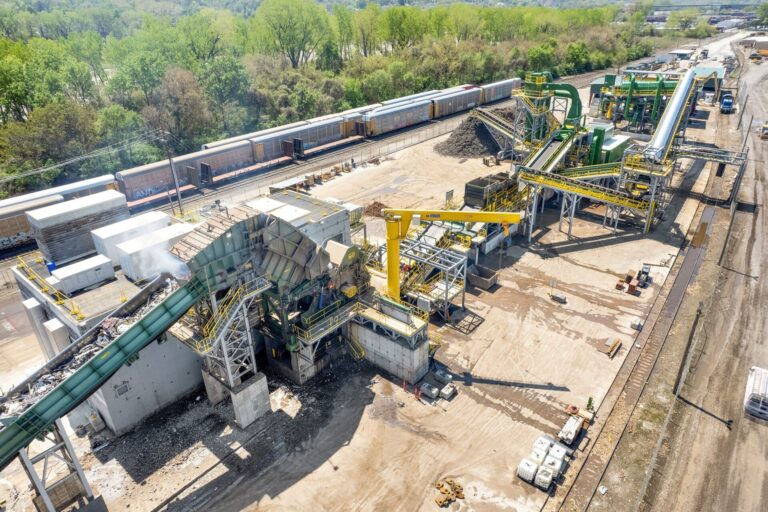
A typical ferrous scrap yard combines material handlers with grabs or lifting magnets, shears, a shredder or pre-shredder, balers, conveyors and magnetic separators. Weighbridges record incoming and outgoing loads, and radiation detection portals at the gate screen every truck for radioactive sources. Larger plants add eddy current separators and sensor-based sorting to recover the non-ferrous metals in the shredder residue.
How is the quality of steel scrap specified?
Scrap is traded in standard grades that define size, density, origin and permitted contaminants. In North America the reference is the Scrap Specifications Circular published by ReMA (formerly ISRI); in Europe the EU-27 Steel Scrap Specification is widely used. Steelworks add their own limits for residual elements such as copper, tin and chromium, which buyers check through sampling and analysis.
How do I find an equipment manufacturer for ferrous scrap & steel recycling?
Use the Manufacturers Directory A–Z or the Equipment Guide. Partner profiles carry direct contact details; other listings link to the company website.
Can I ask a technical question before I buy?
Yes. Ask the Expert puts your question to a field expert active in Ferrous Scrap & Steel Recycling. The answer comes back to you by e-mail; when we publish it, other readers benefit too.
Want to be the expert readers ask?
Field experts get a byline, a company profile and direct questions from readers. Partner packages add product visibility and a place in the Weekly E-Update.
To provide the best experiences, we use technologies like cookies to store and/or access device information. Consenting to these technologies will allow us to process data such as browsing behavior or unique IDs on this site. Not consenting or withdrawing consent, may adversely affect certain features and functions.
Functional
Always active
The technical storage or access is strictly necessary for the legitimate purpose of enabling the use of a specific service explicitly requested by the subscriber or user, or for the sole purpose of carrying out the transmission of a communication over an electronic communications network.
Preferences
The technical storage or access is necessary for the legitimate purpose of storing preferences that are not requested by the subscriber or user.
Statistics
The technical storage or access that is used exclusively for statistical purposes.The technical storage or access that is used exclusively for anonymous statistical purposes. Without a subpoena, voluntary compliance on the part of your Internet Service Provider, or additional records from a third party, information stored or retrieved for this purpose alone cannot usually be used to identify you.
Marketing
The technical storage or access is required to create user profiles to send advertising, or to track the user on a website or across several websites for similar marketing purposes.
Get compact market and technology updates twice a week — with editorial insights and key industry news delivered straight to your inbox. No spam, only practical insights for recycling professionals.
Tuesday: Weekly E-Update (5-minute summary)
Thursday: Market/Technology Focus (in-depth case)
Independent editorial selection — no sales pitches