Window Profile Production 2026: CO₂ Reduction, Use of Recyclates, and Closed Material Loops as the Industry Standard
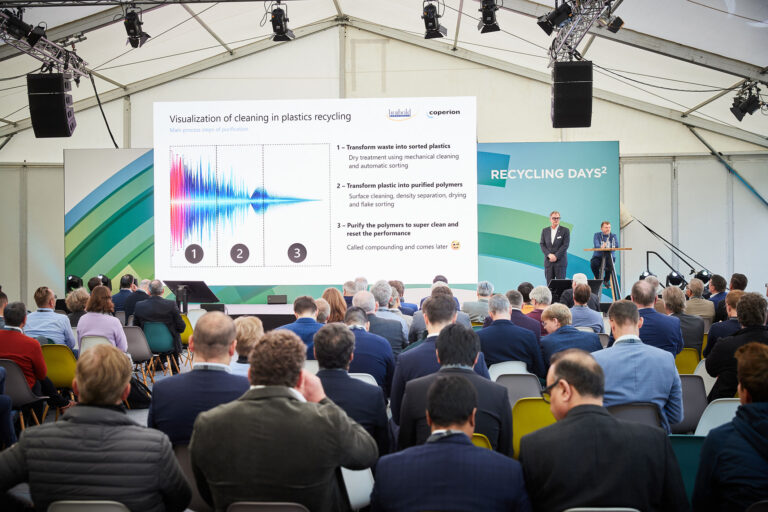
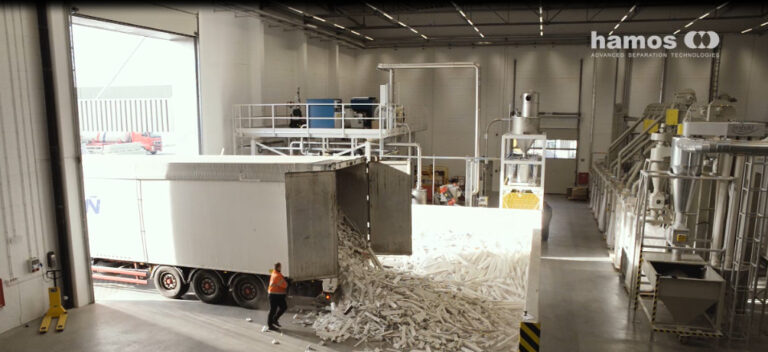
How modern separation technology transforms production waste into high-quality raw materials.


Technology Zone
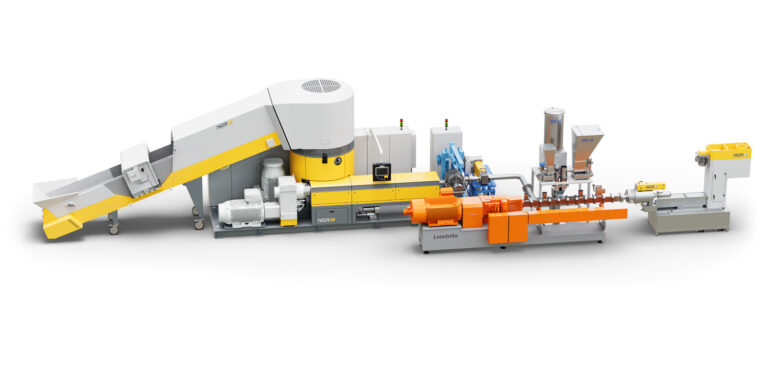
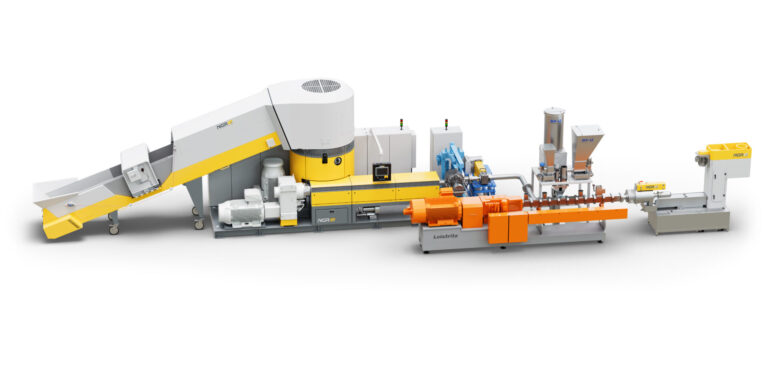
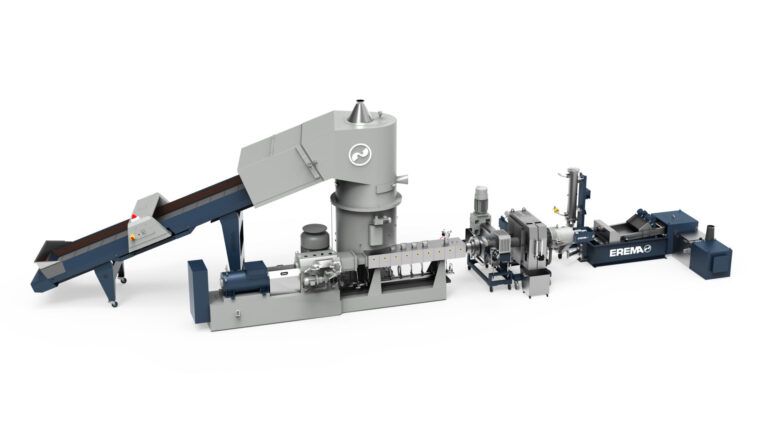
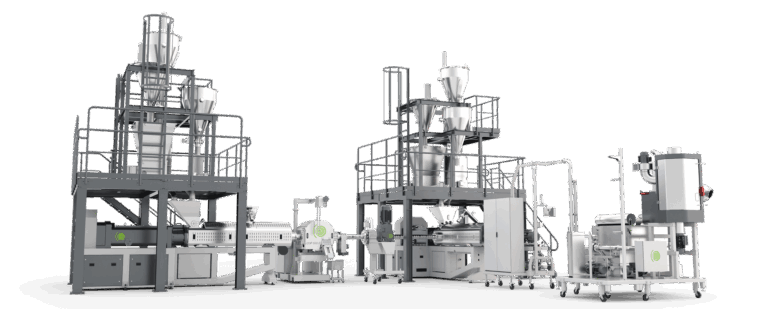
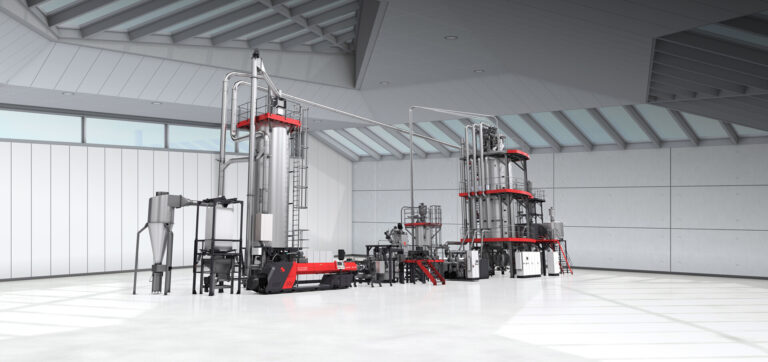
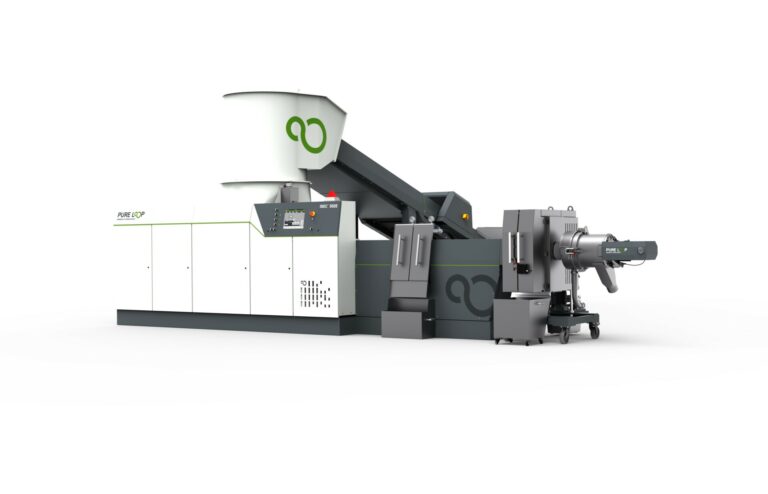
Extrusion, pelletizing and compounding equipment turns washed flakes and regrind into regranulate that can be sold and processed again. This zone covers recycling extruders, melt filtration, degassing, pelletizers, compounding lines and the quality control that keeps recyclate to spec.
Latest in this zone
How modern separation technology transforms production waste into high-quality raw materials.



What this zone covers
Recycling extruders melt washed flakes, agglomerates or shredded film, homogenise and degas the melt, filter it and cut it into pellets that converters can use. Single-screw extruders with a cutter-compactor feed handle film and fibres; twin-screw extruders compound, degas and mix additives; planetary and specialised designs serve PET and heat-sensitive polymers. The pellet is the product, and its consistency — melt flow, moisture, contamination, colour — decides its price.
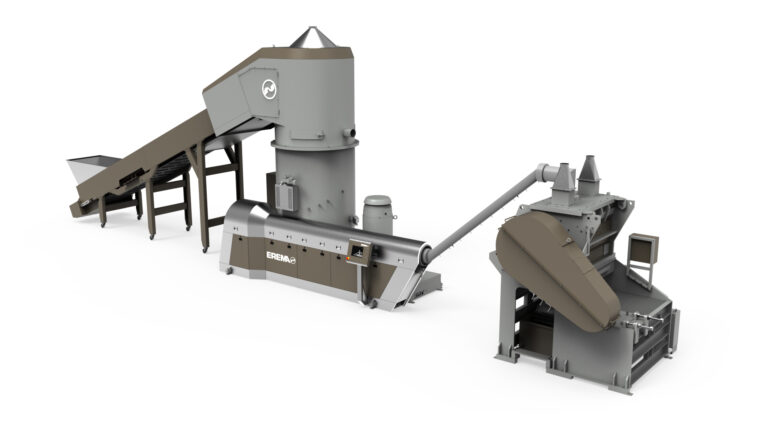
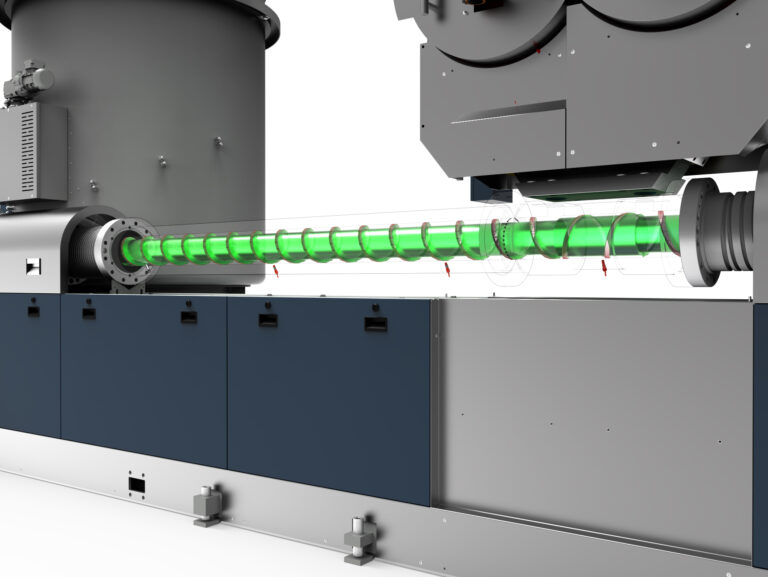
Film and fibres are bulky and cold; a cutter-compactor or agglomerator in front of the extruder cuts, warms, dries and densifies them so the screw can take them. Degassing zones with vacuum remove moisture, volatiles, print-ink solvents and odour; multi-stage degassing is what makes post-consumer film pellets usable in demanding applications. Moisture in the feed is the enemy: it causes bubbles, hydrolysis in PET and pressure swings.
Screen changers remove paper, wood, sand, metal and unmelted polymer from the melt. Manual and hydraulic slide-plate changers suit clean input; continuous backflush and rotary changers hold a steady pressure on dirty post-consumer material and cut screen consumption. Filtration fineness (typically 100–250 µm for post-consumer) is a trade-off between pellet quality, pressure, throughput and screen cost.
Strand pelletisers cool extruded strands in a water bath and cut them — simple, for clean and stiff polymers. Water-ring and underwater pelletisers cut the melt at the die under water — the standard for polyolefins and high throughput, and gentler on the polymer. Die-face air pelletising serves PVC and some compounds. Pellet size, shape and fines content matter to the converter's feeding and drying.
Compounding adds value: blending grades, adding stabilisers, impact modifiers, fillers, colour and odour absorbers turns a variable recyclate into a specified compound. Quality control follows melt flow index, density, moisture, ash, filter pressure value, colour and odour; traceability from input batch to pellet lot is what lets a recycler sell into technical applications instead of the spot market.
| Parameter | Typical range | Rule of thumb |
|---|---|---|
| Extruder throughput | 300–3,000 kg/h per line | Rated on clean flake; film and fibres 20–40 % less |
| Feed moisture | < 1 % PO; < 0.1 % PET (dried and crystallised) | Every 0.1 % moisture above the limit shows up as bubbles or degradation |
| Melt temperature | PE 180–230 °C; PP 200–240 °C; PET 270–290 °C | Lowest melt temperature that gives a homogeneous melt — heat degrades |
| Degassing vacuum | 50–200 mbar absolute; 1–3 zones | More zones for printed film and odour reduction |
| Melt filtration | 100–250 µm post-consumer; 40–80 µm for film and fibre grades | Finer filtration = higher pressure = lower throughput and more screens |
| Screen changer pressure | Operating 100–250 bar; change or backflush at +30–50 bar | Continuous changers for dirty input; pressure stability = pellet stability |
| Pellet size and fines | 2–4 mm; fines < 0.5 % | Sharp knives and correct water temperature on underwater pelletisers |
| Specific energy | 0.25–0.45 kWh/kg including cutter-compactor | Film costs more energy than rigid flake |
| Symptom | Likely causes | What to do |
|---|---|---|
| Bubbles and voids in pellets | Moisture in feed; degassing insufficient; volatiles from ink or oil | Dry the feed, check vacuum and vent zones, add a degassing stage |
| Pressure swings and surging | Uneven feed (film clumps, bridging); screen blinding; moisture flashing | Cutter-compactor settings, feed metering, continuous screen changer, drying |
| Black specks and gels | Degraded polymer on hot spots; dead zones; residence too long; contamination | Lower melt temperature, purge, check screw and die for dead zones, better filtration |
| High screen consumption | Dirty input; filtration too fine for the input; wrong screen changer type | Better washing upstream, coarser first stage, backflush or rotary changer |
| Pellet fines and tails | Dull knives; wrong water temperature; die holes partly blocked | Knife schedule, water temperature control, die cleaning |
| Odour in pellets | Residues from food, cosmetics, ink; insufficient degassing | Hot wash upstream, multi-stage degassing, odour absorbers, stripping agents |
| Inconsistent melt flow between lots | Input mix varies; degradation from overheating; moisture | Input batching and homogenisation silo, temperature control, MFI check per lot |
Go deeper: news and case studies · frequently asked questions
Equipment Guide
No recommended manufacturers in this zone yet. See all manufacturers via the link above.
Ask the Expert
Engineers and product specialists who answer technical questions from readers. The answer comes back to you by e-mail; when we publish it, other readers benefit too.
No field expert for this zone yet — your question still reaches our editors.
Join 36,000+ engineers, plant managers and technical buyers who follow powder and bulk solids technology with us. Free, twice a week.
Questions and answers
A single-screw extruder with a cutter-compactor is the workhorse for film, fibres and washed flakes: it feeds bulky material, dries and pre-heats it and gives high throughput at moderate cost. A twin-screw extruder mixes and degasses better and is the choice for compounding with additives and fillers, for PET and for material that needs intensive homogenisation. Many plants run a single-screw recycling line and a twin-screw compounding line after it.
As fine as the application needs and the input allows: 100–250 µm for most post-consumer polyolefin pellets, 40–80 µm for film-to-film and fibre grades. Finer filtration means higher melt pressure, lower throughput and more screen changes; the better route to a clean pellet is cleaner input from the washing line.
Odour comes from residues that survived washing — food, cosmetics, detergents, printing inks — and from degradation in the extruder. Hot washing removes most of the source; multi-stage vacuum degassing, sometimes with a stripping agent (water or CO2 injection), removes the rest; odour absorbers can be compounded in. Overheated melt adds its own smell.
Measure flake moisture at the extruder inlet, not at the dryer outlet — flakes pick up moisture in silos and big bags. Keep polyolefins below 1 % and PET below 0.1 %, use a cutter-compactor that pre-dries film, and make sure the vacuum degassing actually pulls vacuum (check for leaks and blocked vents).
Strand pelletising is simple and cheap for clean, stiff polymers at modest throughput. Water-ring pelletising handles polyolefins at high rates with few strand breaks. Underwater pelletising gives the most uniform pellets, the least fines and the highest throughput, at higher cost and complexity; it is the standard for large polyolefin recycling lines.
Melt flow index, density, moisture, ash content (fillers, inorganics), filter pressure value (contamination), colour, odour and, for PET, intrinsic viscosity. Keep a lot record that links each pellet lot to its input batches; that traceability is what technical customers ask for before they qualify a recyclate.
Mechanically, to a limited extent: compatibilisers and careful compounding turn some PE/PP and PE/PA mixtures into usable compounds for less demanding applications, and the pellet's value follows its consistency. Films with barrier layers, aluminium or heavy print are candidates for chemical recycling or energy recovery rather than a pellet line.
The zone is the editorial side: news, case studies, videos, newsletter editions and field experts. The Equipment Guide is the directory side: equipment types and the manufacturers that build them. This page links to its Equipment Guide category and back.
Open the Equipment Guide category for this zone, pick an equipment type and open a manufacturer profile. Partner profiles carry direct contact details; other listings link to the company website.
Yes. Ask the Expert puts your question to a field expert in this zone. The answer comes back to you by e-mail; when we publish it, other readers benefit too.