





I’m Aleksejs Zitkevics, Business Development Manager at Greyparrot. Before joining Greyparrot, I worked seven years at Attero as a process engineer and project developer. That’s where I first worked with Greyparrot, and I saw what real-time composition data could do for a facility and for the industry. My MSc thesis was on computer vision in waste sorting, so joining Greyparrot was a logical step.
KSI is often described as one of the most advanced sites in the world in applying AI waste analytics. Which operational challenges was KSI facing before the Greyparrot Analyzer was installed?
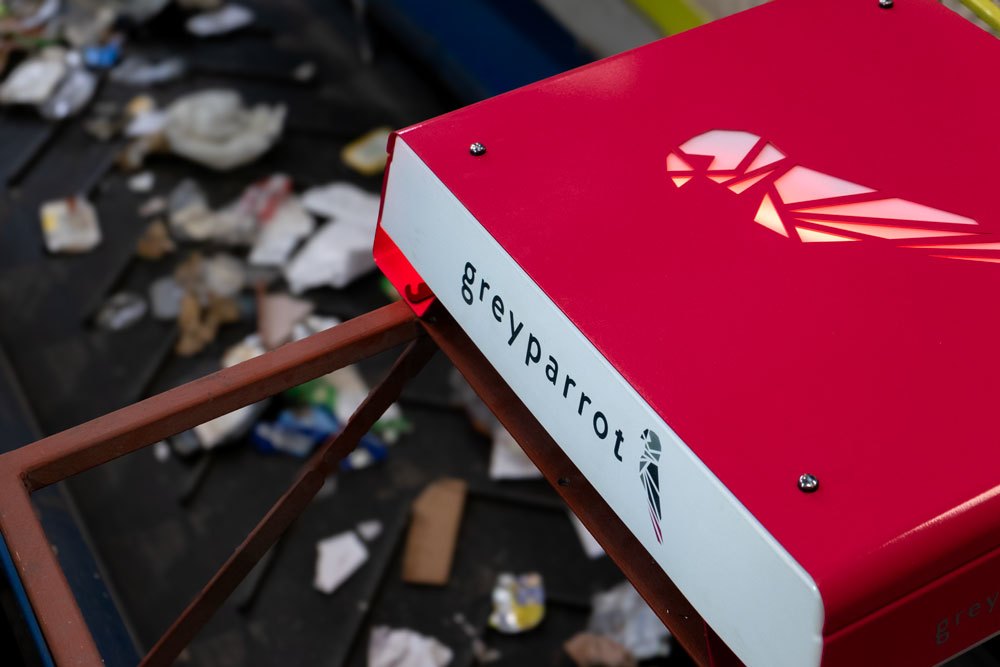
KSI processes more than 65,000 tonnes of plastic packaging a year. Their core challenge is one I know from my own years as an operator: you can’t control what you can’t see. Like almost every sorting plant, KSI relied on manual samples to judge how the line was running. Those samples are important, but they cover only a fraction of the flow, and the results came back from the quality team after around a week and a half. By then the input, the shift and often the machine settings had changed. Tjerk Wiersma’s team could run about one process experiment a week, so many day-to-day adjustments were based on experience. With material coming from several suppliers, it was also difficult to tell whether a drop in purity or yield came from the feedstock or from the line itself.
How does KSI use the data day to day? Who works with it, and which decisions has it changed?
At KSI, the data is part of how the plant is run, not a report someone reads afterwards. They built it up step by step. First trend lines, then an alert dashboard that turns red when a target stream drops below its purity threshold, then time labels to review each shift. Now they have a facility-wide mass balance that connects all Analyzer units and shows what comes in, what goes out and where it is separated.
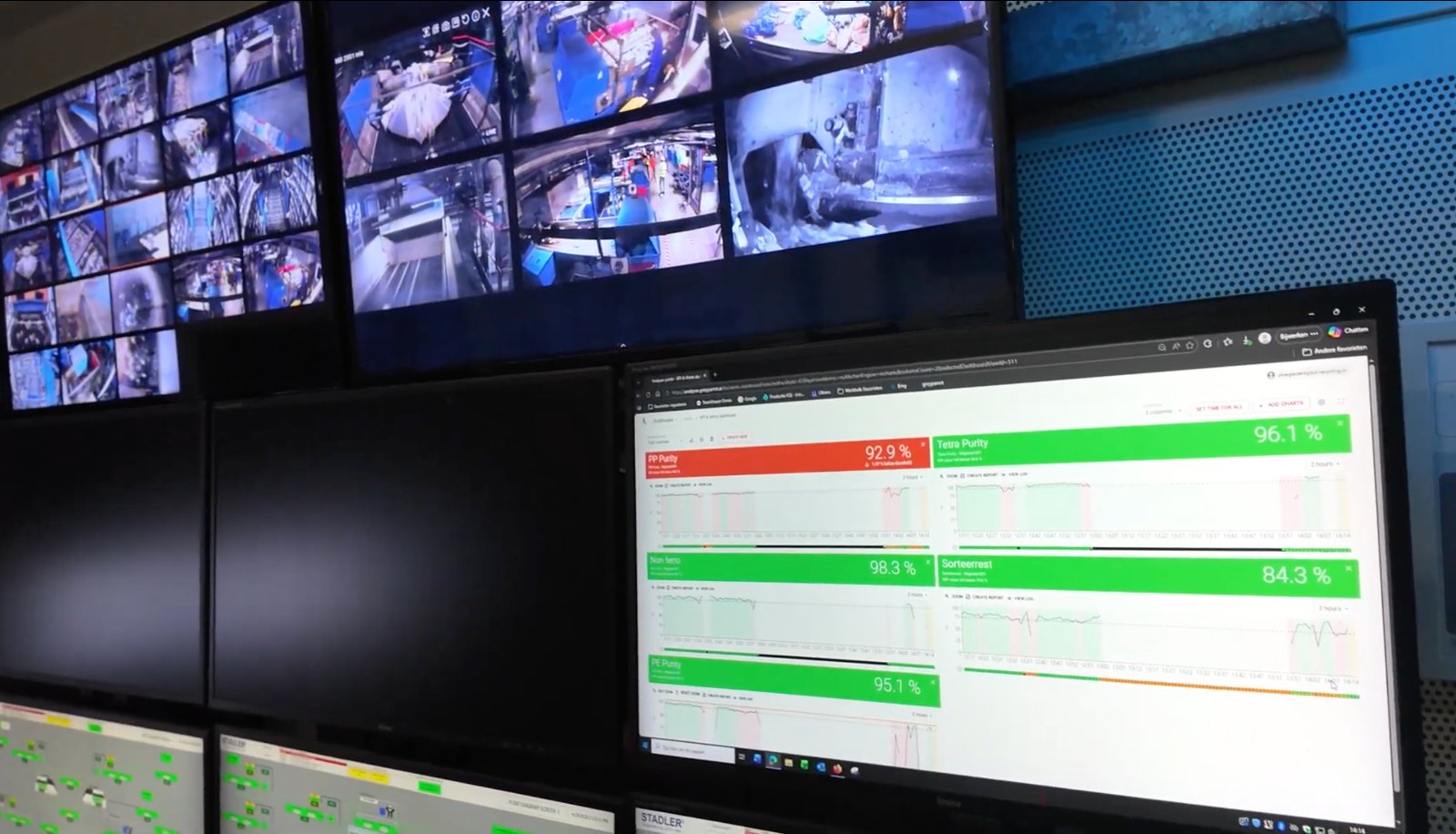
Shift leaders use it to adjust machinery and allocate staff. Process changes are tested live: when KSI changes an equipment parameter, they see the effect on purity and yield immediately. These are simple adjustments, but before the Analyzers were installed, it was difficult to measure what each one did. Troubleshooting is also faster. When composite cartons started building up in residue, the team looked at composition and tonnage together and found the cause: a failed NIR light on the Tetra Pak line. After the repair, the share of cartons in residue dropped immediately.
Cleaning is another example. Instead of a fixed schedule, KSI compared shifts with and without cleaning on the same day. Now they clean when the data shows recyclables going into residue.
Which results from KSI can you share (recovery, residue, purity), and how were they measured?
The best-known result came from one test on the residue line. The morning shift ran without cleaning the sorting machines, the afternoon shift cleaned them, and the team compared both shifts using live Analyzer data. The difference was visible almost immediately: the share of recyclables in the residue dropped from around 30% to below 20%, and the residue line was back within its regulatory threshold.
The data also makes fault-finding more precise. KSI receives material from several suppliers, so the input composition changes constantly. A drop in purity does not automatically mean a machine is at fault. By comparing composition with tonnage, or infeed with output, the team can see whether a change comes from the incoming material or from the process. This prevents wrong diagnoses and unnecessary interventions.
What are the biggest challenges for sorting and recycling facilities in Europe today?
I see three. The first is changing feedstock. New packaging formats, lighter materials and changes in suppliers and collection systems mean the input does not stay the same for long. The second is keeping product streams on spec, because reprocessors expect consistent quality regardless of the input. The third is staffing. Experienced operators are hard to find and keep, so plants have to do more with smaller teams. That only works if the team knows exactly what the process is doing.
Only a tiny share of the world’s waste is ever sampled or audited. Why is this lack of data such a structural problem?
Waste streams are dynamic and heterogeneous, so a few manual samples can’t give a reliable picture of the full flow. The consequences go beyond the sorting plant. Policymakers set targets and EPR fees based on estimates, not measured data. Packaging producers design for recyclability using lab tests, without knowing whether their packaging is actually sorted in a real plant. Sorters and recyclers adjust their lines and judge product quality on samples that are already outdated. Without better data, operators, brands and regulators all make decisions on an incomplete picture.
How are regulations such as the PPWR, EPR schemes and recycled-content targets changing what operators need to know about their material flows?
With the PPWR’s recycled-content requirements starting in 2030, I expect a growing need to separate food-grade from non-food material at the sorting stage. Facilities will have to adapt their processes for this. Brands are also likely to change their packaging portfolios quickly to stay compliant and avoid penalties. For sorting facilities, this means the input can change faster than before. They need to detect new formats when they arrive and adjust their lines in time, not find out later from a poor bale quality report.
For a facility thinking about AI waste analytics: where should they start, and what return can they realistically expect?
Full visibility means covering the whole facility: infeed, residue and product streams. But many operators can prove the value earlier by starting with their losses and the quality of their product streams. If the product and residue streams are covered, we can also estimate the facility’s input through a “virtual Analyzer”, which calculates the infeed from the combined outputs. In my experience, a quick return on investment is almost always possible. The deciding factor is whether the team can act on the data. That’s why we work closely with our customers to make sure the data is used.
Looking ahead to 2030: how do you expect waste intelligence to change the recycling industry?
I expect much less guesswork in running a recycling facility. When I worked as an operator, most decisions were based on a few samples and a lot of experience. By 2030, I think waste intelligence will be as standard in a sorting plant as NIR sorters are today. Plants will adjust their lines in real time, with AI recognising what’s on the belt and robotics acting on it. Material will be traded on verified composition, not on a supplier’s reputation. Brands will see how their packaging behaves in a real plant, not only in a lab, and design for real-world recycling. Regulators will measure outcomes instead of modelling them. For me, the most important change is that everyone in the chain will work from the same data.