


Market
Tire Recycling
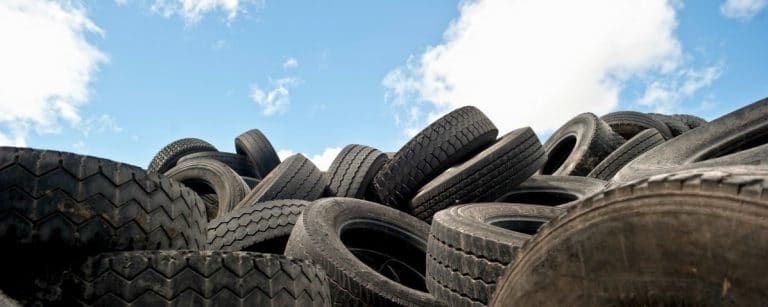
Tire recycling can be described as the process of recycling waste tires / end of life tires (ELT) that are no longer acceptable for the use on vehicles as a result of irreparable damage or wear. Tire recycling technology is utilized for this process.
All articles in this market
Tire Recycling — page 2 of 2

Promoted videos
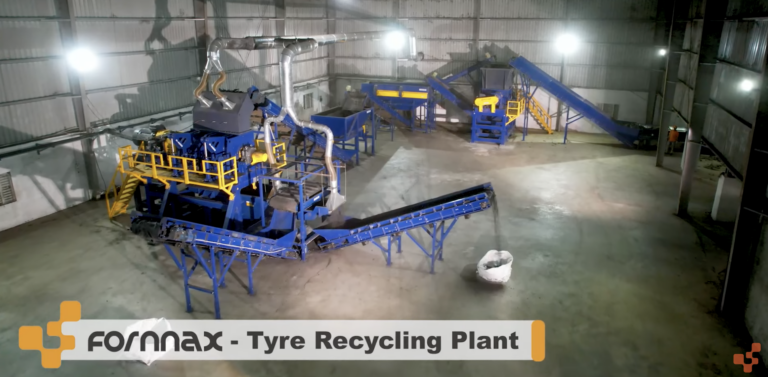
Tire Recycling in action
Ask the Expert
Ask a tire recycling expert — free
Engineers and product specialists who answer technical questions from readers. The answer comes back to you by e-mail; when we publish it, other readers benefit too.
 Dan Fairest
M&J Recycling
Dan Fairest
M&J Recycling
At M&J Recycling, my role as the UK & ROI Sales Manager centres on providing top-tier shredding solutions tailored to the waste…
Ask a question Dave Fleming
SSI Shredding Systems, Inc.
Dave Fleming
SSI Shredding Systems, Inc.
Dave Fleming is the Vice President of Sales and Marketing at SSI Shredding Systems, Inc., bringing over 30 years of dedicated experience…
Ask a question Daniel Wresnik
UNTHA shredding technology
Daniel Wresnik
UNTHA shredding technology
Daniel Wresnik, Head of Sales and Business Development BU Waste & Recycling in the DACH region at UNTHA, is a proven expert…
Ask a question Mario Vazquez
CM Shredders
Mario Vazquez
CM Shredders
Mario Vazquez is the Sales & Marketing Director at CM Shredders and a specialist in tire recycling, industrial size reduction, and alternative-fuel…
Ask a questionSubscribe to our E-newsletters
Recycling technology worth your time: new equipment, plant case studies and the numbers behind them. Free, twice a week.
Questions and answers
Frequently asked about tire recycling
What happens to a tire once it enters the recycling stream?
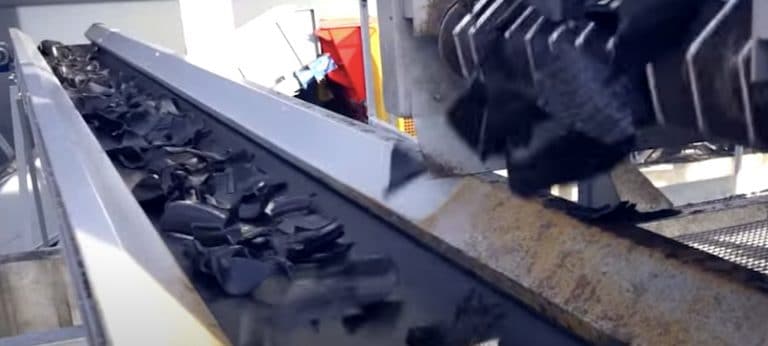
Whole tires are first shredded into rough chips, then passed through granulators and magnetic separators that strip out the embedded steel belt wire, followed by screening equipment that removes fiber reinforcement, leaving behind clean rubber crumb of various sizes. Depending on end use, that crumb may be sold as-is, refined further, or in some facilities sent to pyrolysis to recover oil and carbon black instead.
Why do tires require specialized recycling equipment instead of standard shredding?
Tires are vulcanized rubber reinforced with steel belts and textile fabric, a composite structure that resists the same shredders used for plastics or paper and requires multiple staged size-reduction and separation steps to fully liberate the rubber from the metal and fiber. Vulcanization also makes the rubber chemically cross-linked, so unlike thermoplastics it can't simply be melted and remolded — it has to be devulcanized, pyrolyzed, or used in particulate form.
What materials are recovered from a scrap tire?
Processing recovers steel wire (roughly 10-15% of a tire's weight), rubber in crumb or granulate form, and textile fiber reinforcement, each separated and sold into different downstream markets. Where tires go through pyrolysis instead, the process additionally recovers pyrolysis oil and a solid carbon black-like residue known as recovered carbon black.
What equipment is used to process scrap tires at scale?
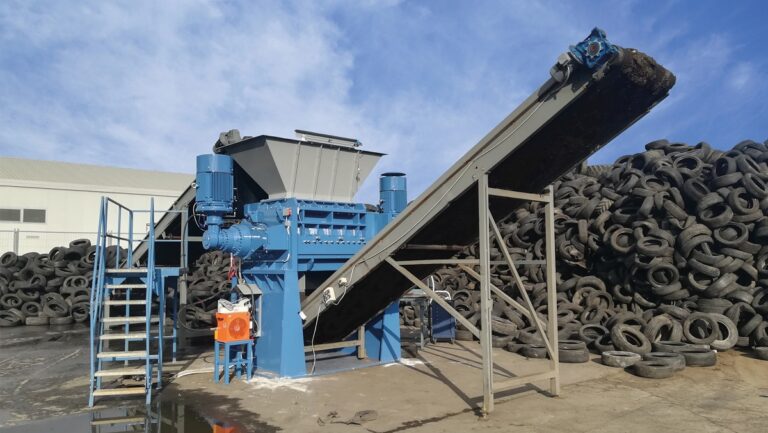
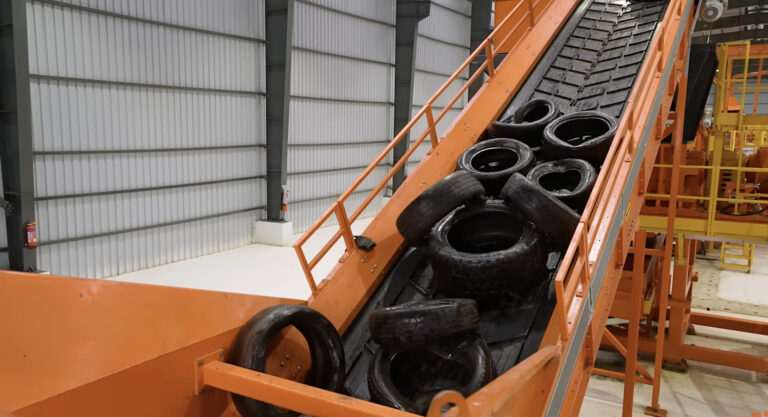
Primary shredders reduce whole tires to rough chips, followed by secondary granulators that further size-reduce the material, with magnetic separators pulling steel wire out along the line and vibrating screens or air classifiers removing fiber to yield clean crumb rubber. Pyrolysis facilities instead feed shredded tire chips into sealed thermal reactors that break the rubber down in the absence of oxygen.
Are there regulations that affect how scrap tires are handled?
Most US states and many other jurisdictions ban whole tires from landfills because their shape traps methane gas and creates fire and mosquito-breeding hazards, which has been a major driver of dedicated tire recycling infrastructure since the 1990s. Many regions also run tire-specific extended producer responsibility or disposal-fee programs that fund collection and processing.
What products are made from recycled tire material?
Crumb rubber goes into playground and athletic field surfacing, rubberized asphalt for road paving, and molded products like mats and mulch, while coarser shredded material is burned as tire-derived fuel (TDF) in cement kilns and industrial boilers as a supplement to coal. Pyrolysis oil can be refined into fuel or chemical feedstock, and recovered carbon black is reused in new rubber compounding or as a pigment.
How does tire pyrolysis work?
Shredded tire material is heated in an oxygen-free reactor to several hundred degrees Celsius, thermally decomposing the rubber polymer instead of burning it, which yields pyrolysis oil, a combustible gas that can fuel the process itself, recovered carbon black, and the steel wire left intact for separate recovery. It's positioned as an alternative to crumb rubber production for tires or rubber grades that aren't suitable for mechanical processing.
Can all types of tires be recycled the same way?
Passenger, truck, and off-the-road tires differ in size, steel content, and rubber compound, so processing lines are often configured or scaled differently for each category, and giant OTR mining tires in particular require heavier-duty shredding equipment. Severely degraded, waterlogged, or contaminated tires can also foul granulators and screens, and some rubber compounds are better suited to TDF or pyrolysis than to crumb production.
What are the environmental and economic benefits of recycling tires instead of landfilling them?
Recycling scrap tires eliminates the fire and vector-breeding risks of tire stockpiles while recovering steel and rubber that would otherwise be wasted, and using tire-derived fuel or rubberized asphalt displaces virgin raw materials in those applications. Crumb rubber markets also provide a viable revenue stream that has made tire recycling one of the more mature end-of-life material recovery sectors in the waste industry.
What trends are shaping the tire recycling market?
Devulcanization technologies that partially break the rubber's cross-linked structure are advancing, aiming to let recycled rubber be reused in higher-value applications closer to virgin rubber rather than just crumb. Pyrolysis is also drawing growing investment as tire manufacturers commit to using recovered carbon black and pyrolysis oil in new tire production to meet sustainability and circular-economy targets.
How do I find an equipment manufacturer for tire recycling?
Use the Manufacturers Directory A–Z or the Equipment Guide. Partner profiles carry direct contact details; other listings link to the company website.
Can I ask a technical question before I buy?
Yes. Ask the Expert puts your question to a field expert active in Tire Recycling. The answer comes back to you by e-mail; when we publish it, other readers benefit too.