

Consistent output starts with the cutting system
For RDF and SRF producers, material must meet the required fuel specification while maintaining the throughput needed for commercially viable production.
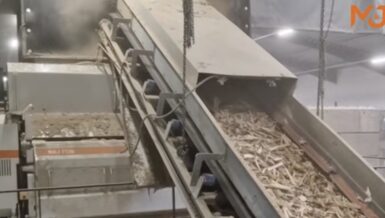
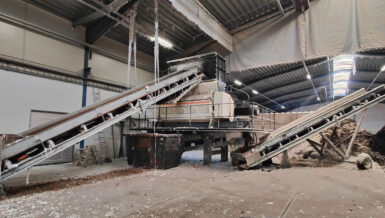
M&J Recycling’s electric fine-shredders use a cutting system designed for precise cutting. This helps deliver a uniform output while limiting friction, heat generation and unwanted fine particles. The result is high throughput with 40% lower energy consumption compared to other solutions on the market.
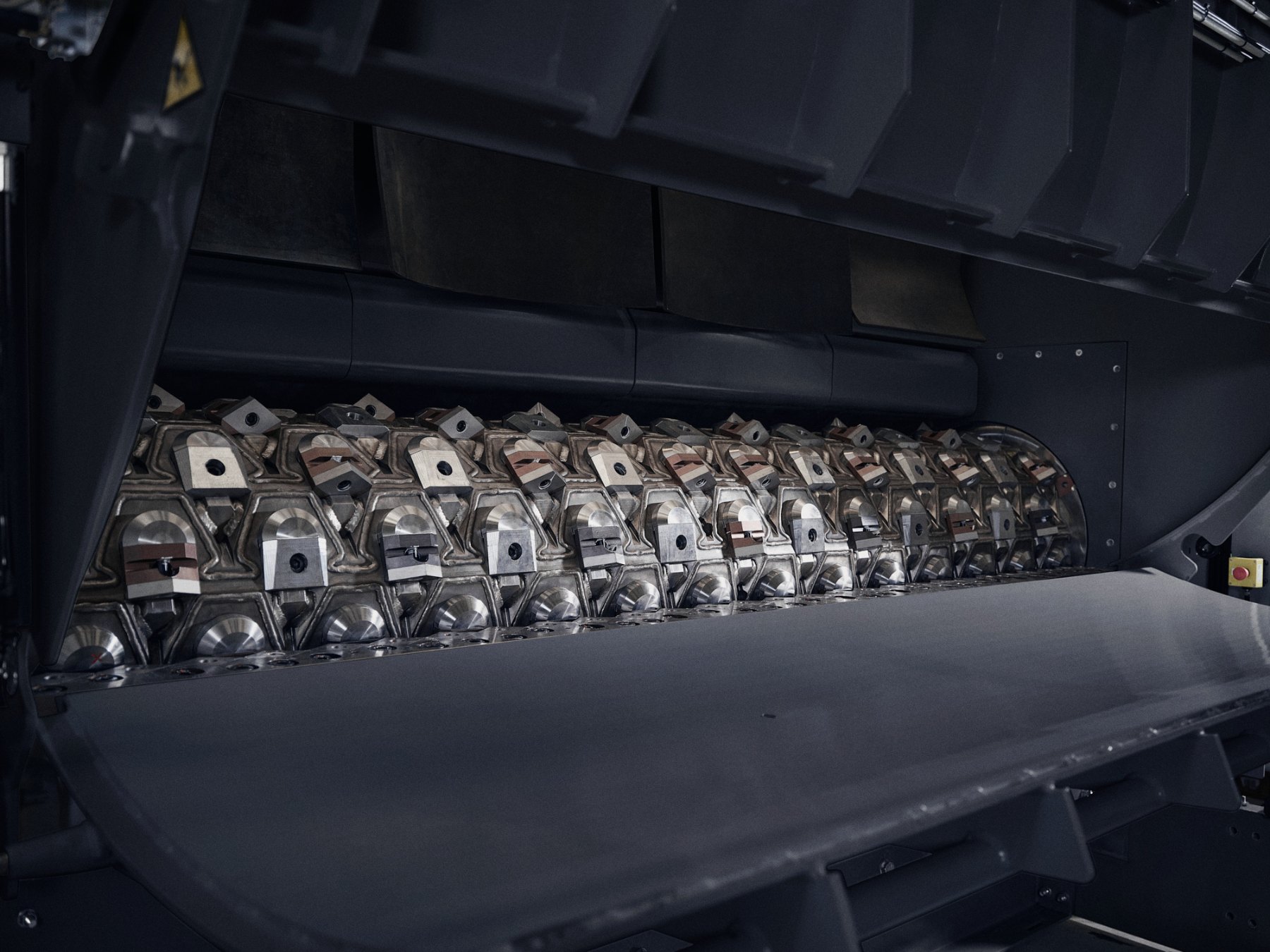
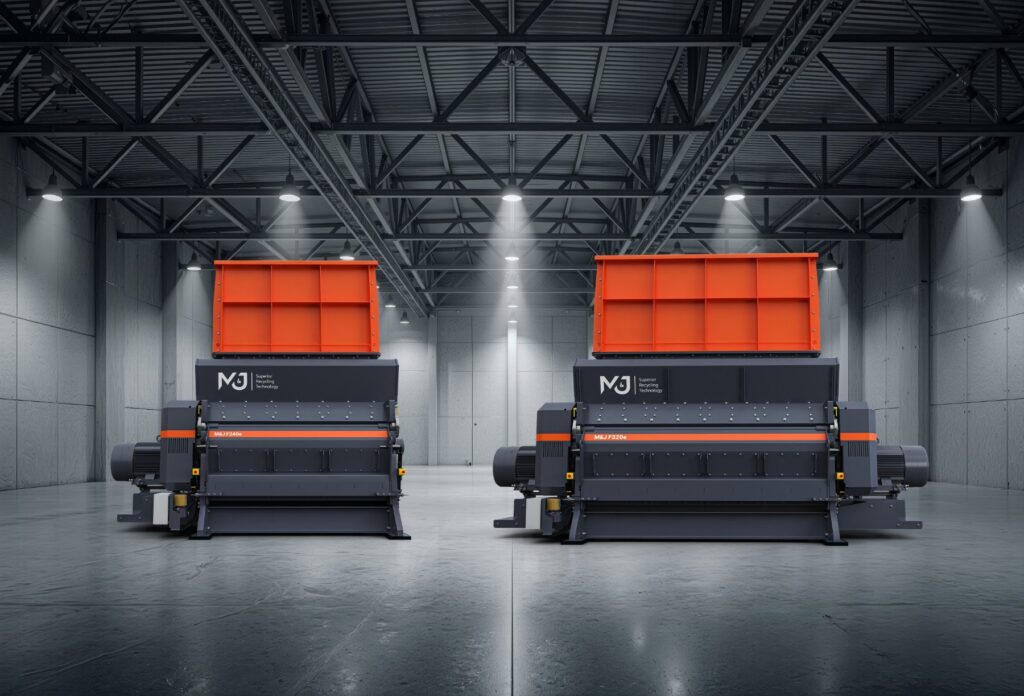
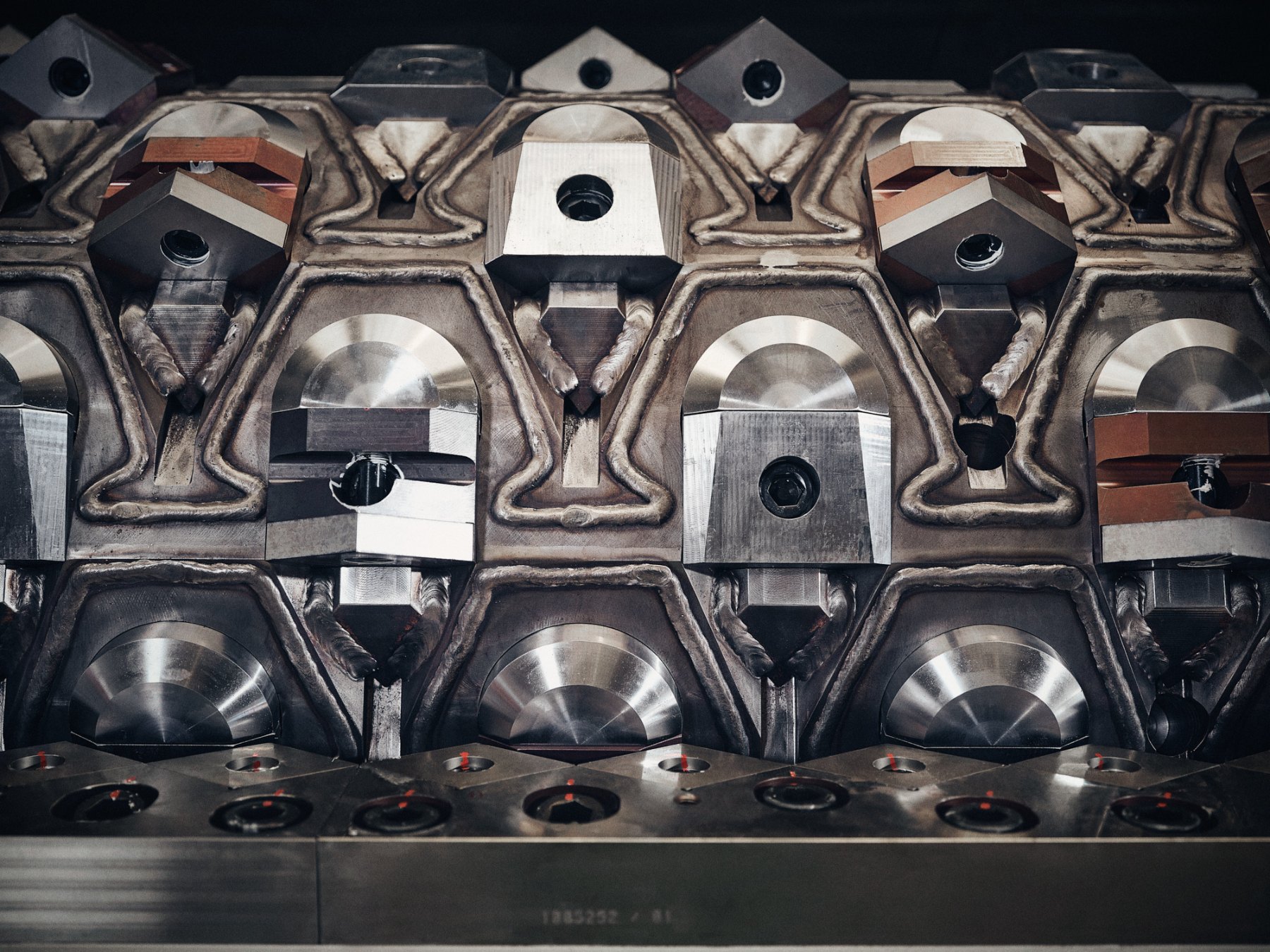
The cutting system can be configured for different waste streams and output requirements. Both the M&J F320e and F240e offer Pure knives for common pre-treated RDF waste and Power knives for tougher material containing limited amounts of undesirables, such as soil and sand. Different rotor configurations allow the cutting system to be matched to the application.
Both machines offer output specifications within the 10–100 mm range, with 90% of the material below the selected grain size. The F320e delivers up to 28 tonnes per hour, while the more compact F240e handles up to 23 tonnes per hour, depending on the material and configuration.
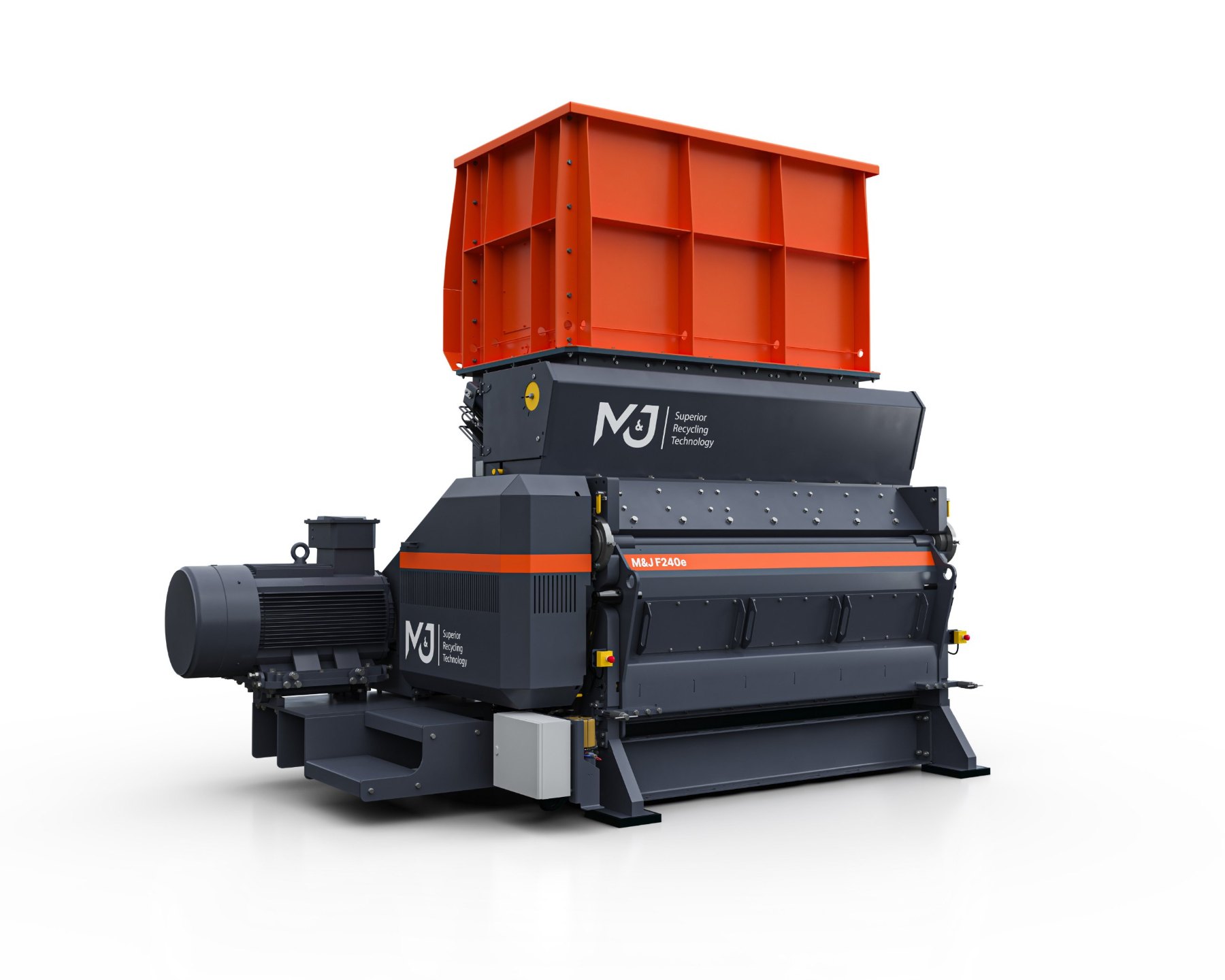
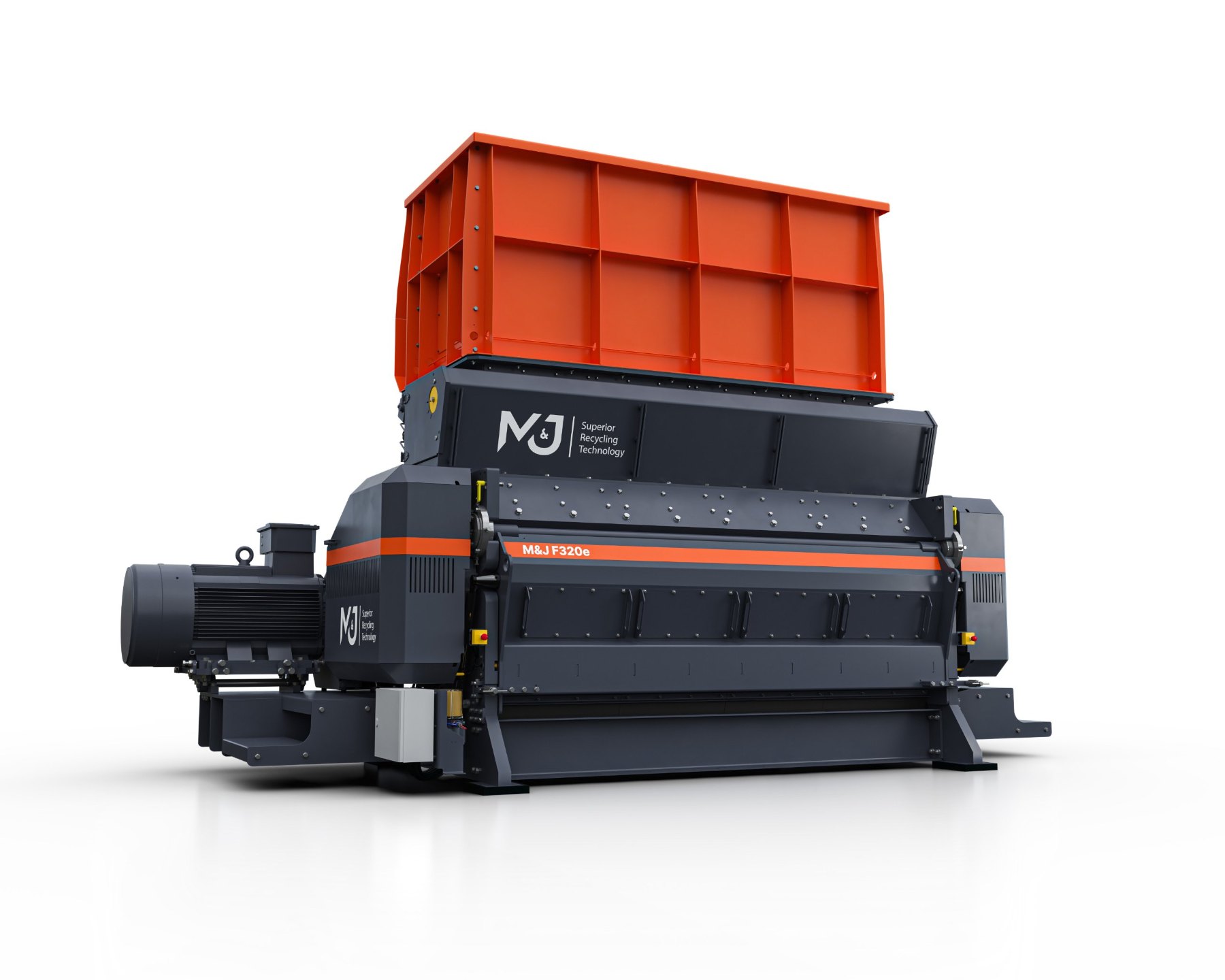
Combined with a robust design, this cutting technology supports high throughput and consistent output quality while keeping maintenance requirements low.
Less adjusting. More shredding.
In a busy recycling facility, routine adjustments and maintenance interruptions can quickly affect productivity.
M&J Recycling’s fine-shredders are designed to minimise routine maintenance interruptions. Their unique cutting system requires no daily knife adjustments, reducing the time operators spend attending to the machine.
When maintenance is required, the design also allows for quick knife and screen changes, helping operators get the shredder back into production.
As Jens Vestergaard Nielsen, CTO at M&J Recycling, explains:
“Thanks to clever constructions and advanced technology, we reduce maintenance and energy consumption without compromising output. In fact, our machines deliver increased uptime and production hours. This is what truly sets M&J fine-shredders apart from competitors.”
For operators, the benefit is straightforward: consistent output, reliable capacity and less time spent maintaining the machine. Combined with M&J’s eDrive technology, this helps keep operating costs under control while making more production time available.
Learn more about M&J Recycling’s fine-shredding technology at our website.