



Belgian waste innovation recognised with two nominations
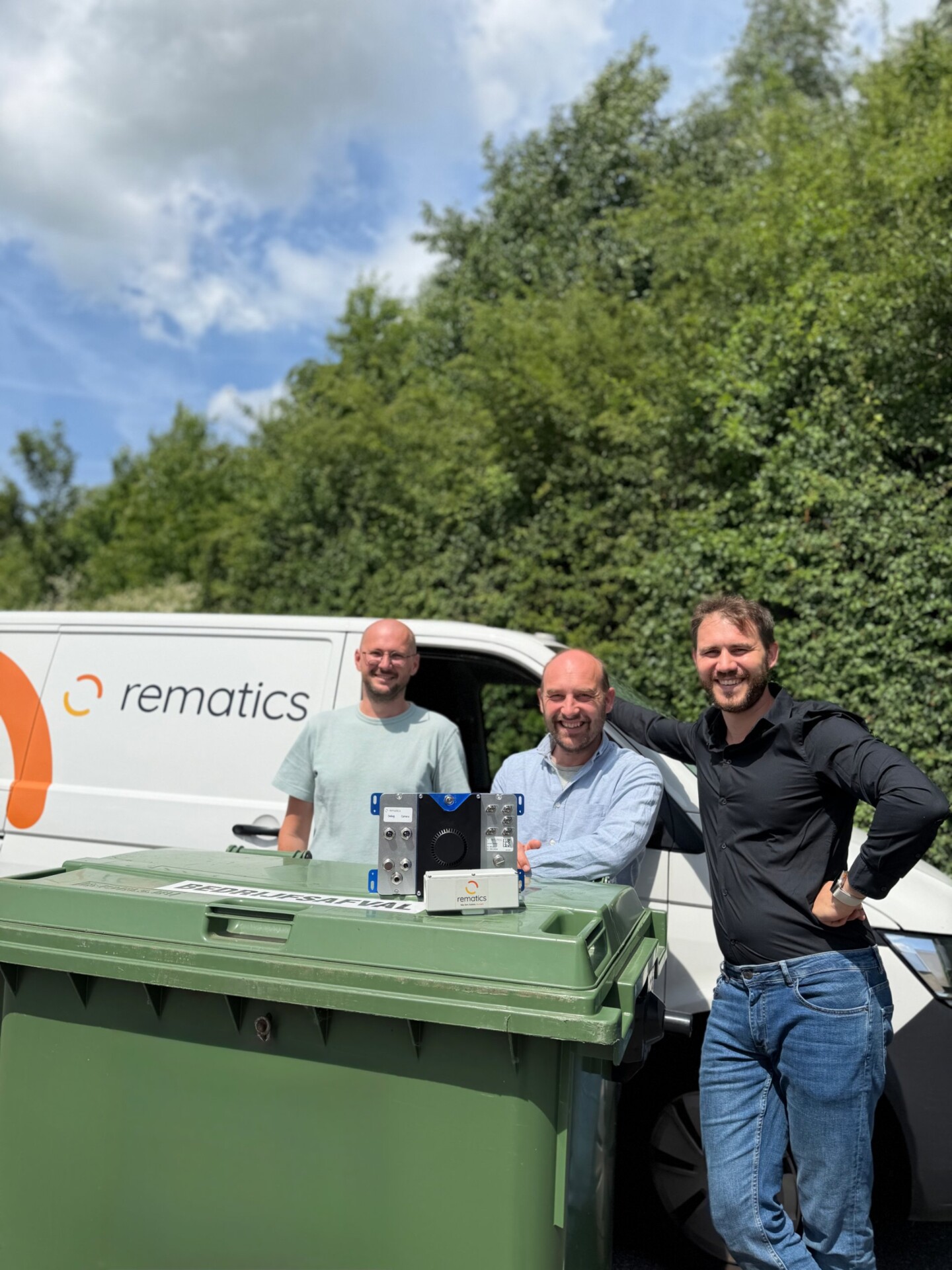
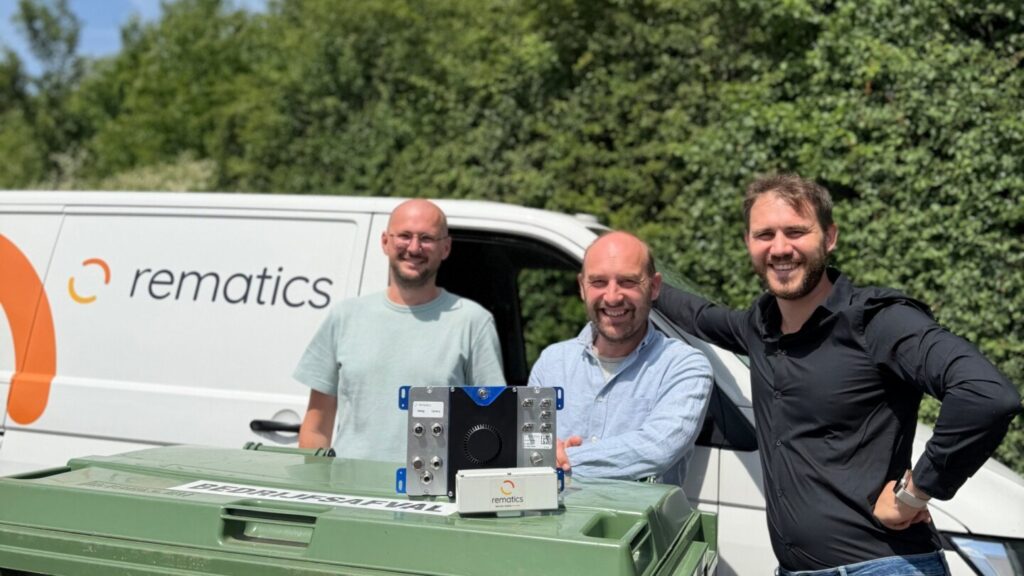
“These nominations are great recognition for the whole team,” says Bram Peetermans, CEO of Rematics. “The first trucks with our technology hit the road at the end of 2024. Today we analyse thousands of bin lifts every day for customers in the Benelux and Germany, and soon in the UK and Spain as well. That proves our application already works in the waste sector today.”
40 fractions, 40 images
D4T is fitted to a waste collection vehicle in less than four hours on average. A camera, lighting and an AI device turn every truck into a mobile data platform. Using computer vision, D4T analyses each complete bin lift at 40 images per second. During collection, the system recognises more than 40 different waste fractions, as well as non-conforming waste and hazardous materials such as gas cylinders and batteries.
The technology works with any collection system. Wheelie bins, waste bags, commercial waste: recognition remains equally accurate. Rematics develops everything in-house and deliberately works with local partners and suppliers. “Many systems capture a few images during a bin lift. We analyse the entire load. The more images we analyse, the more relevant the insights we deliver,” Bram adds.
1.75 million bin lifts
Founded in 2023, Rematics now has more than 70 trucks running D4T. Together they analyse around 1.75 million bin lifts and 157,500 tonnes of waste a year. Limburg.net, Remondis, Gielen Recycling, MilieuService Nederland and Afval Alternatief are among its first customers.
In commercial waste, D4T measures an average of 40 to 50 percent recyclable material. Taking the lower end of that range, around 63,000 tonnes of recyclable material a year currently ends up in the incinerator. “With that insight, waste companies can make more targeted sorting agreements with their customers and keep more material out of the incinerator,” says Bram.
International steps
Since German technology group MOBA invested in May, pilots have been running in Germany, Spain and the United Kingdom, while markets in Southeast Asia and the Middle East are also being explored. The technology itself is expanding too. “Underground containers, glass containers, organic waste and conveyor belts are all applications we could expand into. Waste is our starting point, but certainly not our end point,” Peetermans concludes.