




Identify the fibre, not just the garment
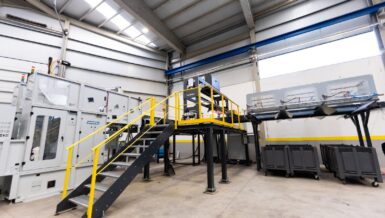
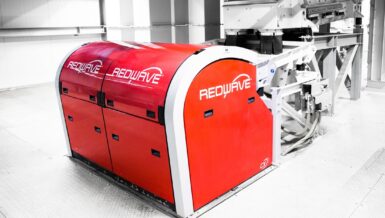
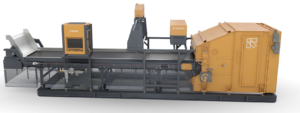
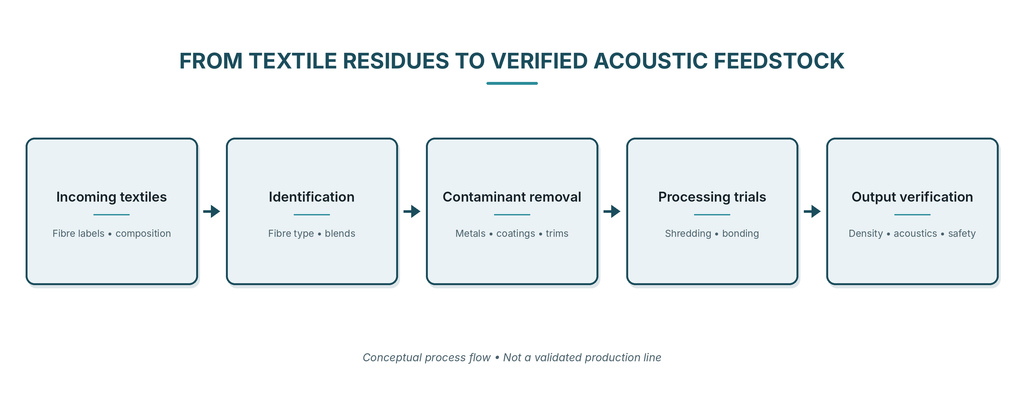
A collection labelled “textiles” may include cotton, polyester, wool, polyamide, elastane and multilayer blends. These fibres differ in moisture behaviour, thermal response, mechanical performance and processing compatibility. Garment labels offer a starting point, but worn, missing or inaccurate labels make visual identification alone insufficient. Where economics permit, near-infrared sorting or targeted laboratory analysis can support composition checks. Blends remain especially challenging because identifying a mixture does not necessarily mean it can be separated economically.
Remove what does not belong
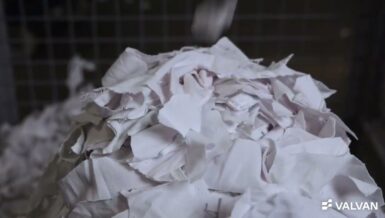
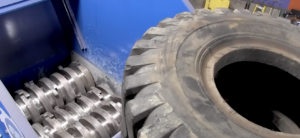
Buttons, zips, metal fragments, coatings, adhesives and residual dirt can damage equipment or affect product consistency. A practical line therefore needs defined inspection and contaminant-removal stages before shredding. Operators should also consider chemical finishes and restricted substances, particularly when the intended material will be installed indoors. A clean-looking fibre stream is not proof of chemical safety.
Match the stream to the manufacturing route
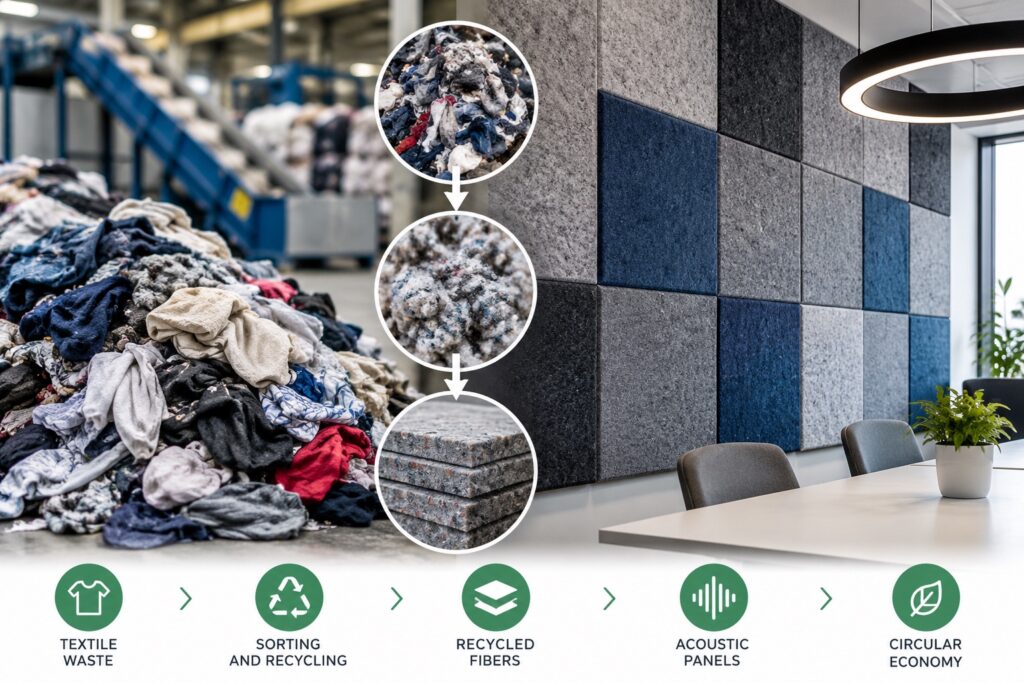
Mechanical opening and shredding change fibre length and distribution. Subsequent carding, air-laying, needle-punching or thermal bonding impose different demands on feedstock. For example, a thermally bonded product may need a controlled proportion of compatible binder fibres, while a mechanically bonded mat depends on fibre entanglement. Sorting specifications should therefore be designed backwards from the selected process rather than set solely by what is easiest to collect.
Measure the output that customers actually need
Acoustic performance depends on the complete material system, including thickness, density, airflow resistivity, mounting and frequency. A recycled origin alone says nothing about absorption performance. Producers should test finished samples using appropriate standardized methods, report the test configuration, and distinguish sound absorption from sound insulation. Relevant requirements may also include fire reaction, emissions, dimensional stability, moisture resistance and durability under the applicable market rules.
Build a realistic quality-control loop
A pilot can start by recording batch composition, contamination rates, moisture, fibre-size distribution and yield after opening. Manufacturers can then link those input measurements to process settings and measured panel properties. Rejected batches and offcuts should be tracked, not quietly excluded from the mass balance. This creates evidence for decisions about procurement, preprocessing investment and possible product claims.
The strongest circular-materials business case is not that every discarded textile can become an acoustic panel. It is that carefully specified textile streams may be converted into products whose performance, safety and economics are demonstrable. Consistent sorting is the bridge between that ambition and an industrial material a customer can trust.
Selected public sources
- Sandin, G. & Peters, G. M. (2018). Environmental impact of textile reuse and recycling – A review. Journal of Cleaner Production, 184, 353–365. https://doi.org/10.1016/j.jclepro.2018.02.266
- ISO 354:2003. Acoustics — Measurement of sound absorption in a reverberation room. International Organization for Standardization. https://www.iso.org/standard/34545.html
- ISO 10534-2:1998. Acoustics — Determination of sound absorption coefficient and impedance in impedance tubes — Part 2: Transfer-function method. International Organization for Standardization.
- European Environment Agency (2024). The destruction of returned and unsold textiles in Europe’s circular economy. https://www.eea.europa.eu/
About the author
Iuliia Golovina is completing an MSc in Biotechnology at Ufa University of Science and Technology. Her interests include circular materials, textile recovery and biotechnology. LinkedIn: https://www.linkedin.com/in/yulia-golovina-82a945431/