
Technology Zone
Size Reduction
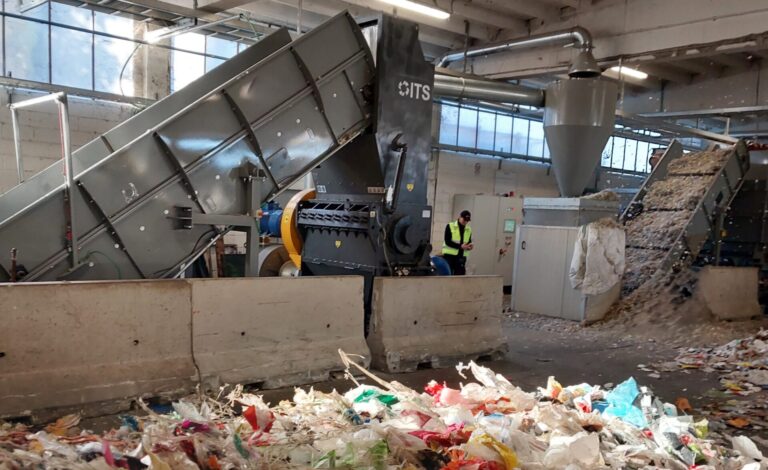
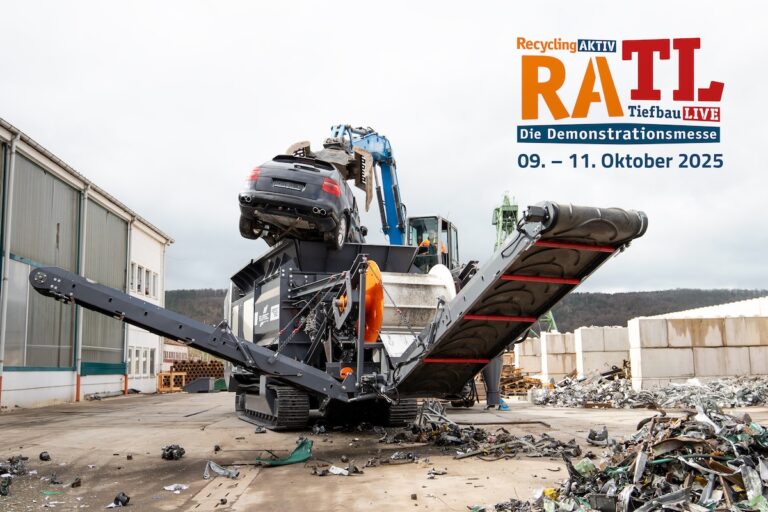
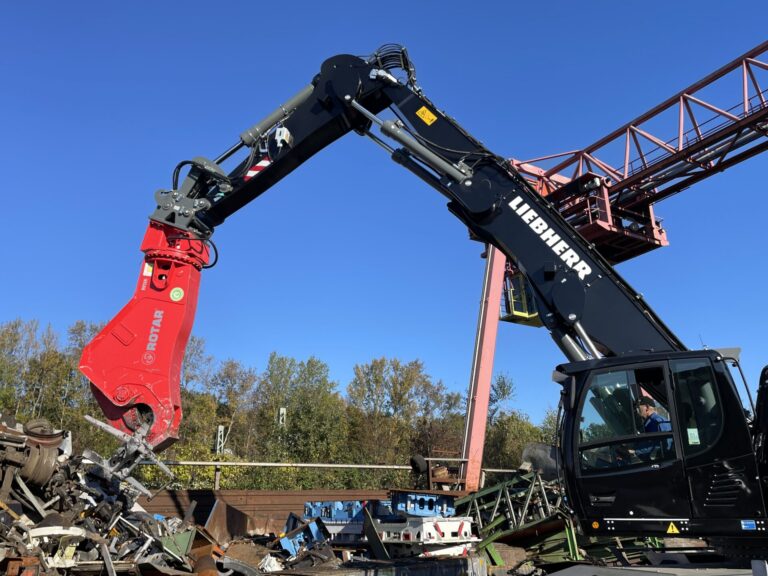
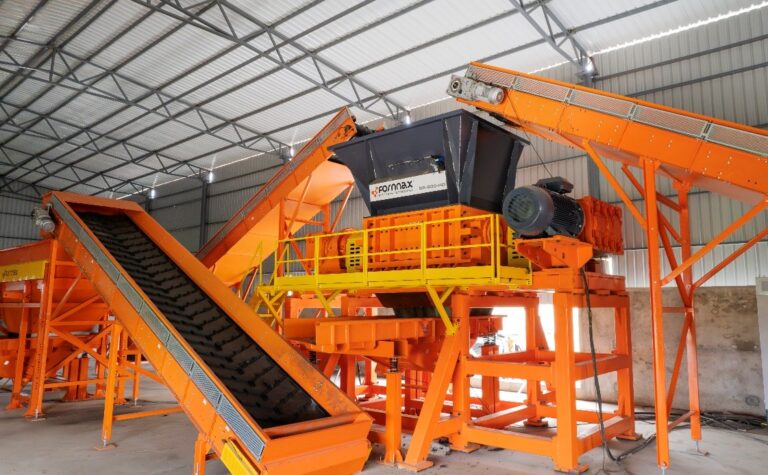
Shredders, granulators, hammer mills and crushers cut waste down to a size that can be sorted, baled or fed into a process. This zone follows size-reduction equipment for metals, plastics, tyres, wood, e-waste and municipal waste.
All articles in this zone
Size Reduction — page 6 of 31

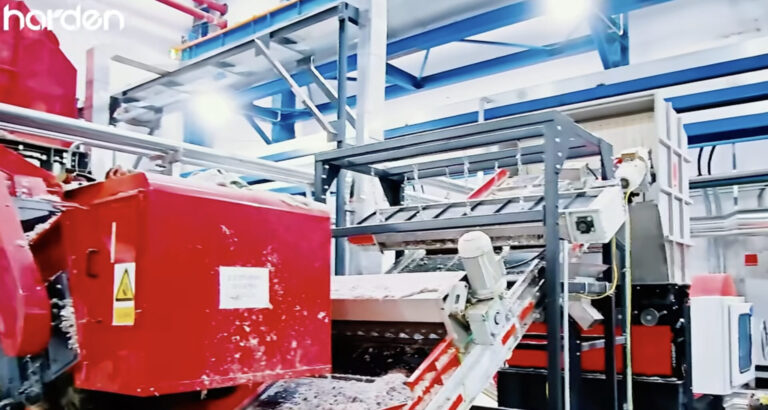
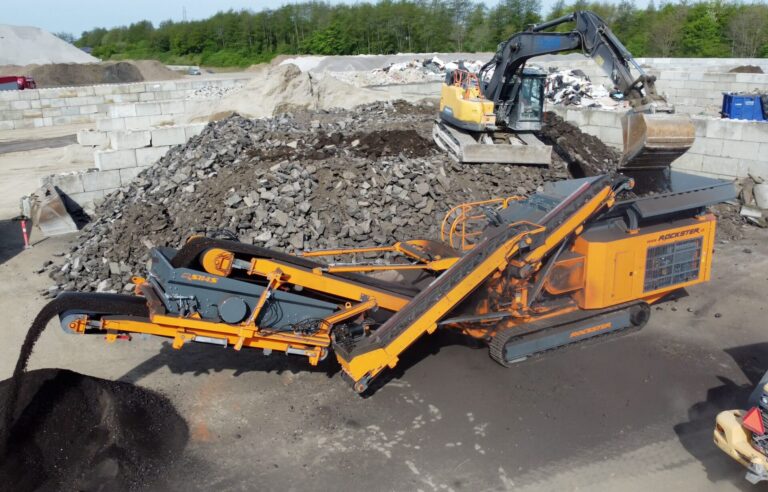
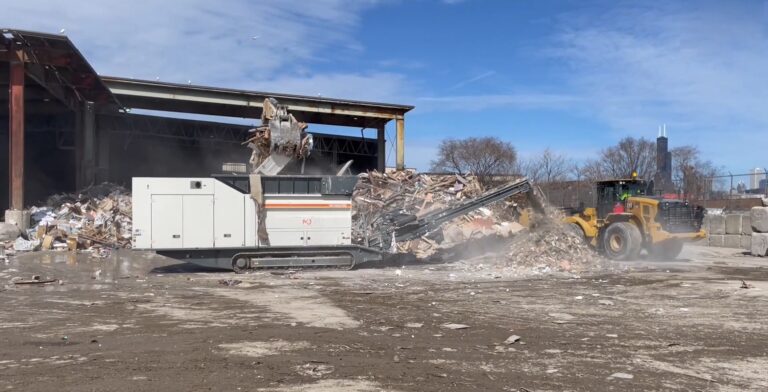


Promoted videos
Size Reduction in action
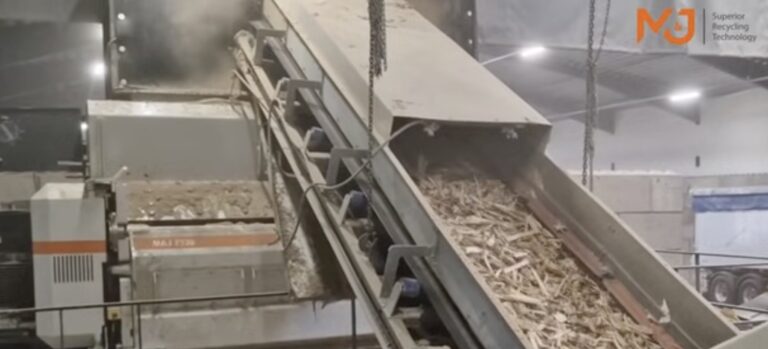
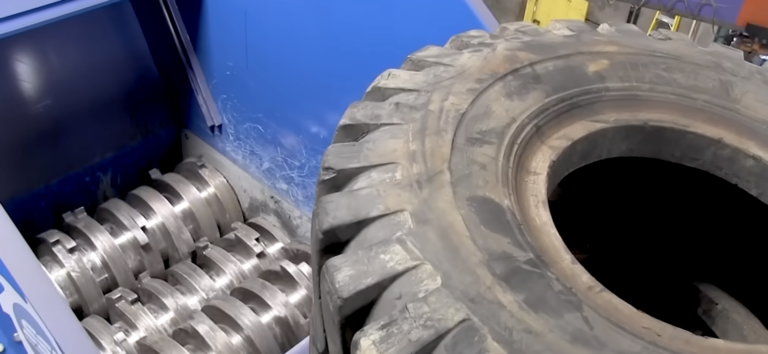
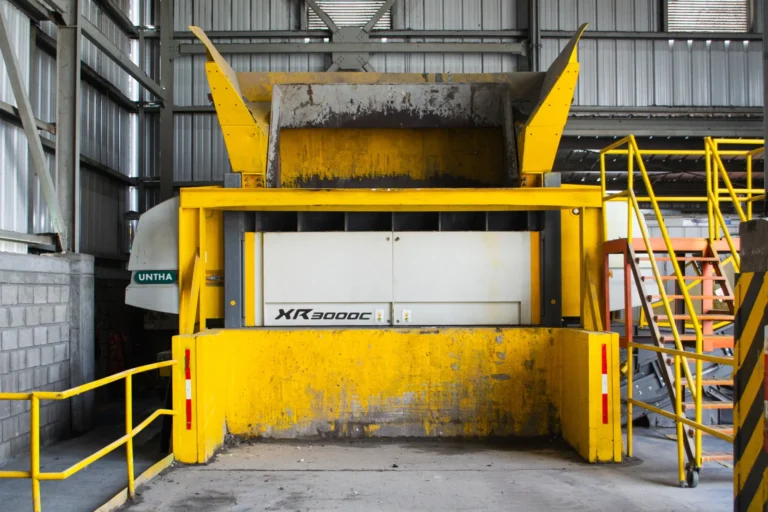
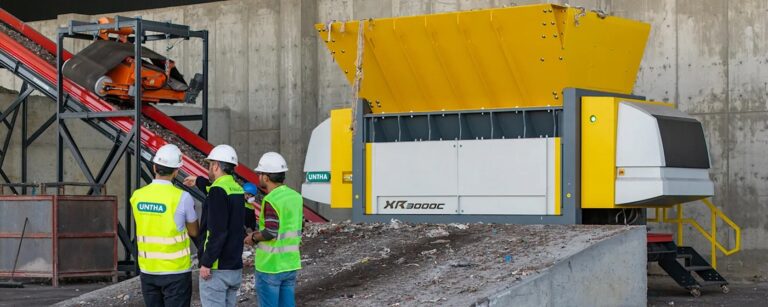
What this zone covers
Size Reduction: how it works, key numbers and troubleshooting
Fundamentals
Shredders, granulators, mills and crushers
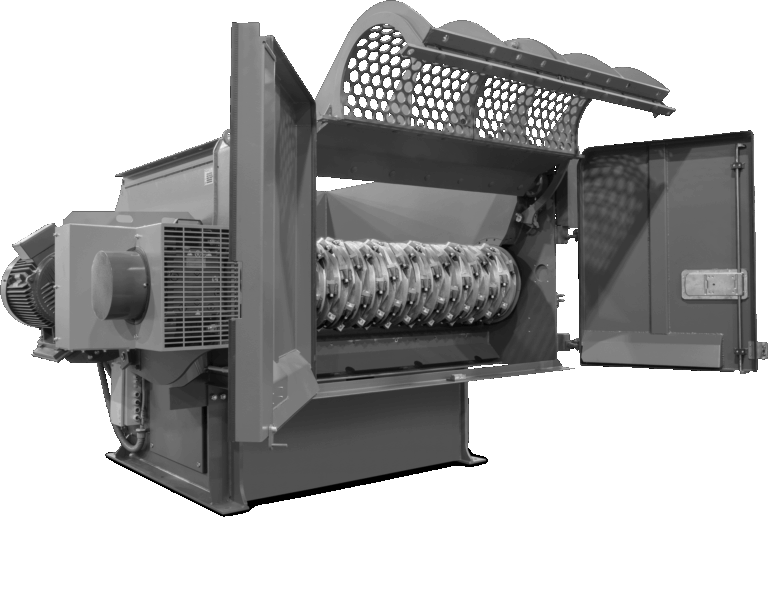
Single-shaft shredders cut with a rotor against a fixed counter-knife and a screen that sets the output size — versatile for plastics, wood, paper and mixed waste. Twin- and four-shaft shredders tear and shear at low speed with high torque, take large and tough items and are hard to jam. Granulators cut plastics to flakes with fast rotating knives against a screen. Hammer mills and hammer shredders smash metals, e-waste and cars by impact. Jaw, cone and impact crushers break minerals, concrete and glass.
Low speed, high torque — or high speed
Slow-running shredders (10–40 rpm) develop high torque, cope with contaminants, make little dust and noise and produce a coarse, irregular output; fast machines (200–1,500 rpm) give a defined, fine output at higher energy per tonne, more dust and heat, and more sensitivity to tramp metal. Two stages — a slow pre-shredder and a fast granulator — are the usual answer where a fine, uniform flake is needed.
Output size and the screen
In most shredders and granulators the screen (or the gap between rotor and counter-knife) sets the maximum particle size; smaller holes mean longer residence, more energy, more fines and more heat. Screenless shredders produce a coarser, wider distribution but jam less and take wetter, dirtier feed. The output size should be no smaller than the next process needs — every millimetre finer costs energy and wear.
Wear, contaminants and heat
Knives, hammers, screens and liners are consumables; abrasive feeds (glass, minerals, filled plastics, e-waste) can wear them in days. Tramp metal breaks knives and stops production; magnets, metal detectors and, on slow shredders, automatic reversing protect against it. Heat from cutting softens plastics, smears the screen and can ignite dust and lithium batteries; cooling, extraction and fire detection belong to the machine.
Sizing the machine
Throughput depends on material, output size and moisture more than on rotor size: a machine rated 5 t/h on clean bulky plastic may do 2 t/h on wet, dirty film. Size on the hardest stream you will run, keep a margin for downtime, and look at the drive: torque at low speed, or a large flywheel for impact machines, decides how the machine handles the unexpected.
Key parameters
| Parameter | Typical range | Rule of thumb |
|---|---|---|
| Single-shaft shredder | Rotor 60–120 rpm; screen 20–80 mm; 1–10 t/h | Output size ≈ screen hole size; energy rises steeply below 30 mm |
| Twin-shaft shredder | Rotor 10–40 rpm; strip width 20–150 mm; 5–50 t/h | Output is strips; add a secondary stage for defined size |
| Granulator | Rotor 300–600 rpm; screen 6–20 mm; 0.5–5 t/h | Sharp knives and a clean feed; wet or dirty feed goes to a wet granulator |
| Hammer mill / shredder (metals, cars) | Rotor 500–800 rpm; 30–300 t/h | Sized on motor power per tonne: 20–40 kWh/t for cars |
| Specific energy | 10–30 kWh/t coarse shredding; 40–100 kWh/t to fine flake | Halving the output size roughly doubles the energy |
| Knife life | Clean plastics weeks–months; glass-filled, wood with sand, e-waste days | Track energy per tonne — it rises as knives dull |
| Feed moisture | < 15–20 % for dry granulation | Above that, wet granulation or drying first |
| Temperature in the cutting chamber | Keep plastics < 60–80 °C at the screen | Smearing on the screen means too fine a cut or dull knives |
Troubleshooting
| Symptom | Likely causes | What to do |
|---|---|---|
| Frequent jams or reversing | Feed too bulky or too fast; tramp metal; blunt knives; screen too fine | Metered feeding, magnet and metal detector upstream, knife schedule, coarser screen or pre-shredder |
| Output too coarse or uneven | Worn screen or knives; wrong screen; material bypassing the screen | Replace screen and knives, check screen fixing and gaps |
| Too many fines and dust | Screen too fine; knives dull (tearing, not cutting); rotor too fast for the material | Coarser screen, sharpen or turn knives, lower speed, two-stage layout |
| Plastic smears or melts in the chamber | Heat from dull knives or too fine a cut; long residence; no cooling | Sharp knives, coarser screen, water cooling or air flow, lower feed temperature |
| Fire or smouldering | Lithium batteries, aerosols, hot metal, dust build-up | Battery removal at reception, spark and heat detection, extraction, water or inerting on the chamber |
| High energy per tonne | Dull knives, screen too fine, wet feed, over-shredding for the next step | Knife schedule by energy trend, size output to the real need |
| Unplanned knife and screen wear | Abrasive contamination (glass, sand, minerals) in the feed | Screen fines and remove glass before the shredder, hardened or coated knives |
Go deeper: news and case studies · frequently asked questions
Equipment Guide
Size Reduction in the Equipment Guide
13 equipment types
Recommended manufacturers
 Machinex Industries Inc.
Machinex Industries offers complete engineering design, manufacturing and installation of Material Recycling Facilities. As a leader in sorting technologies, Machinex Industries provides turnkey systems: Single-Stream, Mixed Waste Processing, Construction & Demolition, Commercial and Industrial Waste, front-end processing for Waste-to-Energy plant.
Machinex Industries Inc.
Machinex Industries offers complete engineering design, manufacturing and installation of Material Recycling Facilities. As a leader in sorting technologies, Machinex Industries provides turnkey systems: Single-Stream, Mixed Waste Processing, Construction & Demolition, Commercial and Industrial Waste, front-end processing for Waste-to-Energy plant.
 AIK Technik AG
 are a system supplier as a plant engineering for the treatment and recovery of residual materials. We are committed to reducing environmental impact for future generations and to achieving maximum sustainability using specialized processes and technologies.
AIK Technik AG
AIK Technik AG are a system supplier as a plant engineering for the treatment and recovery of residual materials. We are committed to reducing environmental impact for future generations and to achieving maximum sustainability using specialized processes and technologies.
 HSM GmbH + Co. KG
Are you looking for exactly the right baling press for your tasks? At HSM, you are sure to find the best solution and profit from many other valuable benefits. As the only manufacturer to offer you the entire range of powerful and economic baling presses – vertical, horizontal and fully automatic. In addition to quality baling presses ”Made in Germany“, HSM also offers full customer service.
HSM GmbH + Co. KG
Are you looking for exactly the right baling press for your tasks? At HSM, you are sure to find the best solution and profit from many other valuable benefits. As the only manufacturer to offer you the entire range of powerful and economic baling presses – vertical, horizontal and fully automatic. In addition to quality baling presses ”Made in Germany“, HSM also offers full customer service.
 Jiangsu Keson Environment Technology Co., Ltd.
 is a high-tech enterprise specializing in environmental protection, industrial, energy, low-carbon intelligent equipment system R&D, intelligent equipment manufacturing, comprehensive solutions of solid waste low-carbon & resource recovery, and investment, construction and operation.
Jiangsu Keson Environment Technology Co., Ltd.
Jiangsu Keson Environment Technology Co., Ltd. is a high-tech enterprise specializing in environmental protection, industrial, energy, low-carbon intelligent equipment system R&D, intelligent equipment manufacturing, comprehensive solutions of solid waste low-carbon & resource recovery, and investment, construction and operation.
 CM Shredders
For more than 35 years, CM Shredders has been designing and manufacturing the world’s most advanced industrial shredders and recycling systems. Fueling technology and innovation for today and beyond, CM Shredders has long been at the forefront of game-changing innovations.
CM Shredders
For more than 35 years, CM Shredders has been designing and manufacturing the world’s most advanced industrial shredders and recycling systems. Fueling technology and innovation for today and beyond, CM Shredders has long been at the forefront of game-changing innovations.
 SSI Shredding Systems, Inc.
SSI engineers and designs industrial shredding equipment tasked with solving some of the world’s toughest waste challenges. The question is, what hasn’t gone through an SSI shredder? Since 1980, we have built and manufactured solutions for most every material you can imagine.
SSI Shredding Systems, Inc.
SSI engineers and designs industrial shredding equipment tasked with solving some of the world’s toughest waste challenges. The question is, what hasn’t gone through an SSI shredder? Since 1980, we have built and manufactured solutions for most every material you can imagine.
 Cumberland – A Division of ACS Group
Leaders in industry have depended on Cumberland for safety, quality, and reliability since 1939. Today, Cumberland granulators and shredders support a wide range of applications, delivering efficient and reliable size reduction solutions for plastics processing, chemical applications, and many recycling operations.
Cumberland – A Division of ACS Group
Leaders in industry have depended on Cumberland for safety, quality, and reliability since 1939. Today, Cumberland granulators and shredders support a wide range of applications, delivering efficient and reliable size reduction solutions for plastics processing, chemical applications, and many recycling operations.
 Cross Wrap Ltd.
Cross Wrap's speciality is in automated bale handling and material flow solutions for the global recycling, waste, and industrial sectors. It's known for its innovative Bale Wrapping and Bale Dewiring machines, designed to improve safety and efficiency in material processing.
Cross Wrap Ltd.
Cross Wrap's speciality is in automated bale handling and material flow solutions for the global recycling, waste, and industrial sectors. It's known for its innovative Bale Wrapping and Bale Dewiring machines, designed to improve safety and efficiency in material processing.
Ask the Expert
Ask a size reduction expert — free
Engineers and product specialists who answer technical questions from readers. The answer comes back to you by e-mail; when we publish it, other readers benefit too.
 Dave Fleming
SSI Shredding Systems, Inc.
Dave Fleming
SSI Shredding Systems, Inc.
Dave Fleming is the Vice President of Sales and Marketing at SSI Shredding Systems, Inc., bringing over 30 years of dedicated experience…
Ask a question Ivan Hondekyn
Valvan nv
Ivan Hondekyn
Valvan nv
Ivan Hondekyn has been part of the Valvan team for over 25 years, bringing a rare depth of expertise across design, project…
Ask a question Xu Xifeng
Jiangsu Keson Environment Technology Co., Ltd.
Xu Xifeng
Jiangsu Keson Environment Technology Co., Ltd.
Xu Xifeng, the founder of Keson and vice president of Jiangsu Low Carbon Environment Design Institute of China. He has been engaged…
Ask a question Mario Vazquez
CM Shredders
Mario Vazquez
CM Shredders
Mario Vazquez is the Sales & Marketing Director at CM Shredders and a specialist in tire recycling, industrial size reduction, and alternative-fuel…
Ask a questionMarket & Technology Focus
Size Reduction, in depth in your inbox
Every Thursday edition takes one market or technology in depth. These are the editions on this zone — read them online or get the next one by e-mail.
Subscribe to our E-newsletters
Recycling technology worth your time: new equipment, plant case studies and the numbers behind them. Free, twice a week.
Questions and answers
Frequently asked about size reduction
Single-shaft or twin-shaft shredder?
Twin-shaft (or four-shaft) shredders run slowly with high torque, swallow bulky and tough items, jam rarely and produce coarse strips — the choice for pre-shredding mixed waste, bulky items, tyres and metals. Single-shaft shredders with a screen deliver a defined, finer output for plastics, wood, paper and pre-shredded material. Many lines use a twin-shaft ahead of a single-shaft or a granulator.
How fine should I shred?
Only as fine as the next process needs: a sorter works on 30–100 mm, a washing line on 10–20 mm flakes, an extruder on 5–15 mm. Every step finer costs energy, wear, dust and heat, and produces fines that are lost or contaminate the product. Do the fine cut as late as possible and on the cleanest possible material.
Why do my knives wear so fast?
Abrasives in the feed — glass, sand, minerals, glass-filled plastics — and tramp metal. Remove fines and glass before the shredder, use magnets and metal detectors, and match the knife material to the feed; hardened or coated knives cost more but last several times longer on abrasive material. Track energy per tonne to change knives before they tear instead of cut.
Can I shred wet or dirty material?
Slow shredders can, at reduced output; granulators struggle because wet material smears the screen. Wet granulation — cutting under water spray — combines shredding and pre-washing and is the standard in plastics recycling for dirty film and bottles. Drying before dry granulation is the alternative.
How do I prevent fires in the shredder?
Keep lithium batteries and pressurised containers out at reception and by detection, fit spark and heat detection on the discharge, extract dust, avoid dust layers on hot surfaces, and have water or inert-gas suppression on the cutting chamber and downstream bunkers. Most shredder fires start from batteries or from smouldering material that was left in the machine overnight.
What drive does a shredder need?
For slow shredders, torque at low speed decides whether the machine cuts through the unexpected: hydraulic drives and high-torque electric drives with load-dependent reversing are standard. For fast machines the flywheel energy carries the rotor through hard items. Size the drive on the toughest stream, not the average.
How do I size a shredder for my throughput?
Ask for a test with your actual material, at the output size you need, and at the moisture and contamination you see in practice; nameplate figures assume clean, dry, uniform feed. Add a margin for wear and downtime, and consider two stages when the reduction ratio is large.
What is the difference between this Technology Zone and the Equipment Guide?
The zone is the editorial side: news, case studies, videos, newsletter editions and field experts. The Equipment Guide is the directory side: equipment types and the manufacturers that build them. This page links to its Equipment Guide category and back.
How do I find a manufacturer of size reduction equipment?
Open the Equipment Guide category for this zone, pick an equipment type and open a manufacturer profile. Partner profiles carry direct contact details; other listings link to the company website.
Can I ask a technical question before I buy?
Yes. Ask the Expert puts your question to a field expert in this zone. The answer comes back to you by e-mail; when we publish it, other readers benefit too.