
Technology Zone
Volume Reduction Technology
Balers, compactors and briquetting presses turn loose material into dense, transportable units. This zone covers volume-reduction equipment for cardboard, plastics, metals and municipal waste — and the cost of moving air instead of material.
All articles in this zone
Volume Reduction Technology — page 8 of 10
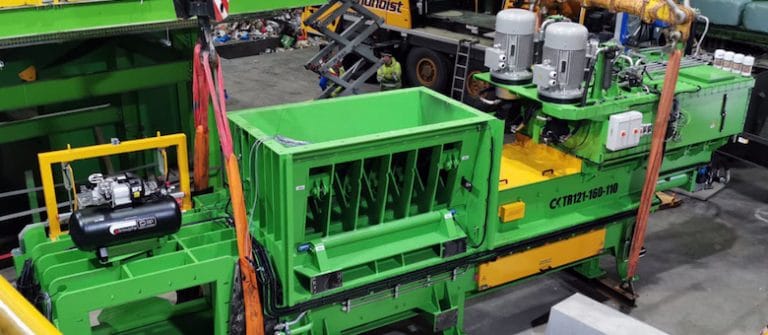
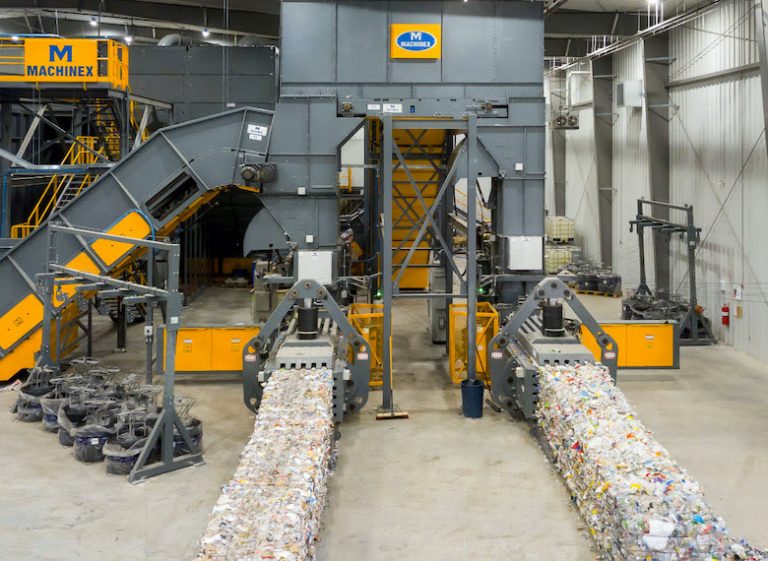
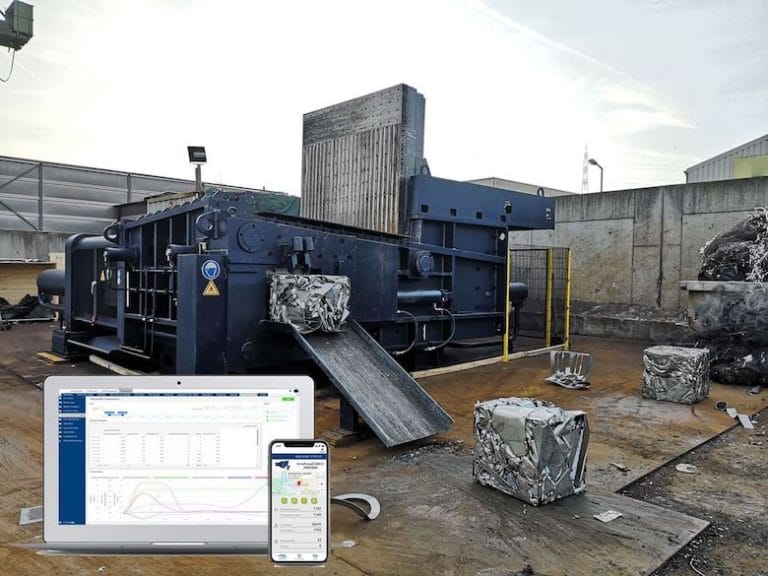
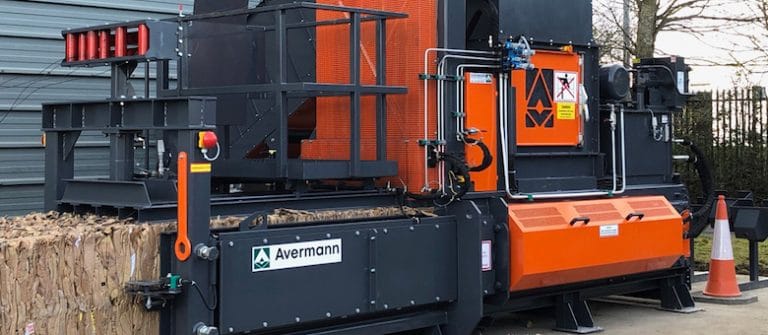


Promoted videos
Volume Reduction Technology in action
What this zone covers
Volume Reduction Technology: how it works, key numbers and troubleshooting
Fundamentals
Why compact at all
Loose recyclables are mostly air: baled cardboard is ten times denser than loose, film twenty times. Balers, compactors and briquetting presses turn that air into transport weight, storage space and a saleable unit that a paper mill, a plastics reprocessor or a steel works will accept. The specification of the buyer — bale weight, dimensions, density, wire count, moisture, contamination — is the starting point for every volume-reduction decision.
Baler types
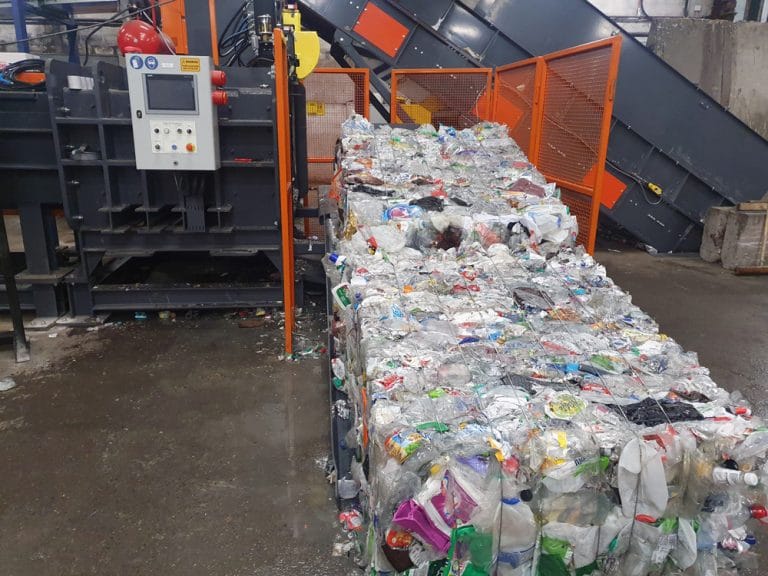
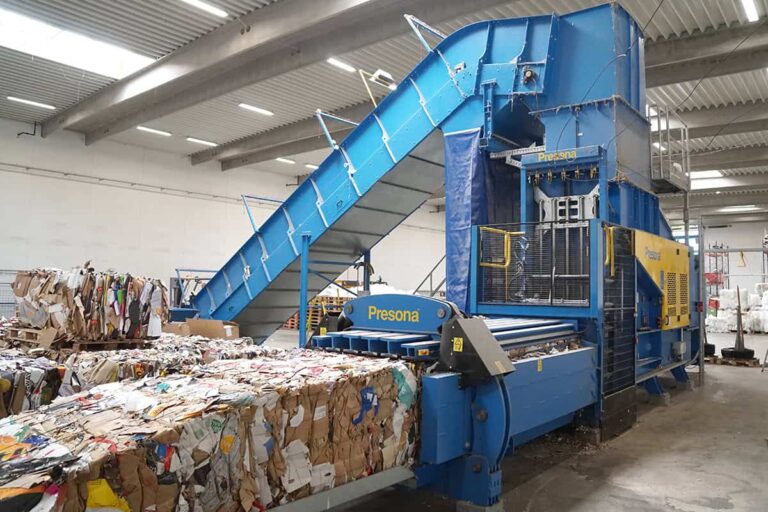
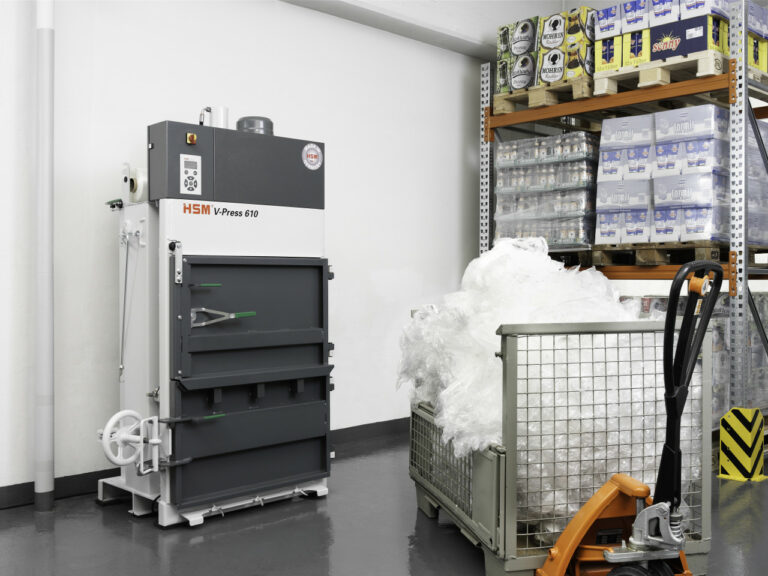
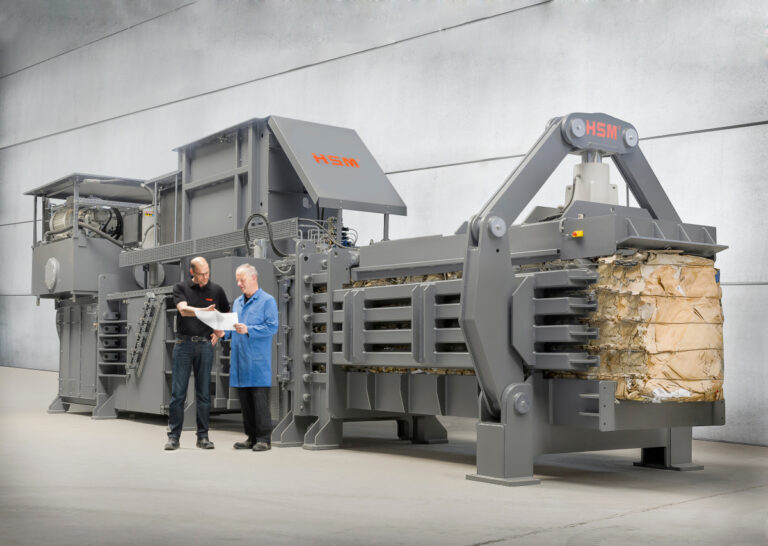
Vertical balers press downwards in a chamber that is loaded by hand; cheap and compact, for a few bales a day. Horizontal closed-door balers make dense, uniform mill-size bales of paper, cardboard, film and PET at moderate throughput. Two-ram balers press in one direction and eject with a second ram; they handle the widest range of materials, including hard plastics, cans, textiles and mixed waste, at high density. Channel (continuous) balers with automatic tying serve high-throughput MRFs and paper lines. Metal balers and shear-balers compact scrap into logs or blocks.
Compactors and briquetters
Stationary and self-contained compactors compress waste into a container for transport — the workhorse for commercial waste and for wet fractions where a baler would leak. Briquetting presses compact chips, dust, foam and small fragments into dense pucks: metal swarf, aluminium, EPS foam, biomass and shredder fines. Screw and hydraulic presses for EPS, and drum crushers for containers, cover special streams.
Density, energy and throughput
Density comes from press force, dwell time and material preparation; throughput from cycle time, feed rate and tying speed. A baler that must wait for its feed conveyor is as slow as the feed; a baler fed too fast pre-compresses the material in the hopper and stalls. Energy per tonne is low compared with shredding — the cost is in the machine, the wire and the labour.
Tying, wire and safety
Automatic tying with wire or strap decides bale integrity and operator exposure; wire breaks during transport are a safety hazard and a quality complaint. Balers are the most dangerous machines in a recycling plant: crush points, stored hydraulic energy, and the temptation to clear a jam by hand. Interlocks, lockout procedures and machines designed so no one needs to enter the chamber are part of the specification.
Key parameters
| Parameter | Typical range | Rule of thumb |
|---|---|---|
| Bale density, cardboard | 350–500 kg/m³ horizontal; 500–650 two-ram | Mill specifications usually ask for bales above 500 kg |
| Bale density, PET bottles | 200–350 kg/m³ (perforated) | Perforate before baling or bales spring back |
| Bale density, film | 400–600 kg/m³ | Film needs long dwell time and high force |
| Press force | 300–1,200 kN horizontal; up to 3,000 kN two-ram | Force sets density; ram speed sets throughput |
| Throughput | Vertical 0.2–1 t/h; horizontal 5–20 t/h; channel balers 20–50 t/h | Size on the feed conveyor, not the press |
| Bale weight, mill size | 800–1,400 kg cardboard; 1,100 × 1,100 mm cross-section | Match the buyer's handling and truck load: 20–25 t per trailer |
| Wire consumption | 4–6 wires per bale; 1–2 kg wire per bale | Wire cost is a significant operating cost — measure it per tonne |
| Compactor ratio | 3:1 to 6:1 depending on waste | Wet waste needs a leak-tight container and drain |
Troubleshooting
| Symptom | Likely causes | What to do |
|---|---|---|
| Bales fall apart or spring back | Too little dwell time; springy material (PET, hard plastics) not perforated; wrong wire count or tension | Longer dwell, perforator upstream, more wires, tension check |
| Low bale density | Press force low (hydraulic wear, pressure setting); chamber overfull per stroke; cold hydraulics | Check pressure and seals, feed metering, warm-up cycle |
| Baler starves or stalls | Feed conveyor too slow or surging; material bridges in the hopper; pre-compression | Buffer conveyor with level control, hopper geometry, bridge breaker |
| Wire breaks in transport | Springy material; undersized wire; tying head misadjusted; bales stacked too high | Higher tensile wire, more wires, tying maintenance, stacking rules |
| Jams at the tying station | Loose material in the needle track; worn needles; wrong wire | Cleaning schedule, needle inspection, wire specification |
| Hydraulic overheating | Continuous duty beyond design; dirty cooler; low oil level | Cooler cleaning, oil analysis, duty cycle within design |
| Near-miss or injury at the baler | Clearing jams by hand; bypassed interlocks; no lockout | Interlocked doors, lockout-tagout, camera and remote clearing, design that keeps hands out |
Go deeper: news and case studies · frequently asked questions
Equipment Guide
Volume Reduction Technology in the Equipment Guide
19 equipment types
Recommended manufacturers
 SSI Shredding Systems, Inc.
SSI engineers and designs industrial shredding equipment tasked with solving some of the world’s toughest waste challenges. The question is, what hasn’t gone through an SSI shredder? Since 1980, we have built and manufactured solutions for most every material you can imagine.
SSI Shredding Systems, Inc.
SSI engineers and designs industrial shredding equipment tasked with solving some of the world’s toughest waste challenges. The question is, what hasn’t gone through an SSI shredder? Since 1980, we have built and manufactured solutions for most every material you can imagine.
 Bollegraaf Group
 is a world-leading expert and innovator in the waste sorting and recycling sector. Furthermore, our reputation is based on the unique quality of equipment in terms of separation performance, robustness, and ease of maintenance. A premium quality complemented by our engineering expertise allows delivering the best solutions to the specific challenges of each of our customers.
Bollegraaf Group
Bollegraaf Group is a world-leading expert and innovator in the waste sorting and recycling sector. Furthermore, our reputation is based on the unique quality of equipment in terms of separation performance, robustness, and ease of maintenance. A premium quality complemented by our engineering expertise allows delivering the best solutions to the specific challenges of each of our customers.
 Presona AB
Designed and built in Sweden where the focus is on efficiency, quality, safety and sustainability, Presona balers are the personification of Swedish precision engineering. They are reliable, consistent and efficient. They are also designed to cope with rugged manufacturing, recycling and waste management environments.
Presona AB
Designed and built in Sweden where the focus is on efficiency, quality, safety and sustainability, Presona balers are the personification of Swedish precision engineering. They are reliable, consistent and efficient. They are also designed to cope with rugged manufacturing, recycling and waste management environments.
 M&J Recycling
 is a global leader in industrial waste shredders, delivering powerful, reliable and durable pre- and fine-shredders. Our machines process MSW, C&I, C&D, plastics, paper and more. With over 1,300 installations, strong R&D, and a global sales and service network, we are a trusted partner for efficient waste reduction worldwide.
M&J Recycling
M&J Recycling is a global leader in industrial waste shredders, delivering powerful, reliable and durable pre- and fine-shredders. Our machines process MSW, C&I, C&D, plastics, paper and more. With over 1,300 installations, strong R&D, and a global sales and service network, we are a trusted partner for efficient waste reduction worldwide.
 Cross Wrap Ltd.
Cross Wrap's speciality is in automated bale handling and material flow solutions for the global recycling, waste, and industrial sectors. It's known for its innovative Bale Wrapping and Bale Dewiring machines, designed to improve safety and efficiency in material processing.
Cross Wrap Ltd.
Cross Wrap's speciality is in automated bale handling and material flow solutions for the global recycling, waste, and industrial sectors. It's known for its innovative Bale Wrapping and Bale Dewiring machines, designed to improve safety and efficiency in material processing.
 Valvan nv
Valvan (Menen, Belgium) specialises in sorting and baling systems for the textile and recycling industries. From baling presses to full turnkey installations — smart, tailor-made solutions built to your exact needs. Part of the Valtech Group. www.valvan.com
Valvan nv
Valvan (Menen, Belgium) specialises in sorting and baling systems for the textile and recycling industries. From baling presses to full turnkey installations — smart, tailor-made solutions built to your exact needs. Part of the Valtech Group. www.valvan.com
 Harris American Company
American Baler is one of the oldest and most respected baler manufacturers in the world. We manufacture a complete line of balers so that we can provide solutions to customers in a wide range of industries. These products include manual-tie and auto-tie single ram horizontal balers and two ram auto-tie balers for both low-volume and high-production applications.
Harris American Company
American Baler is one of the oldest and most respected baler manufacturers in the world. We manufacture a complete line of balers so that we can provide solutions to customers in a wide range of industries. These products include manual-tie and auto-tie single ram horizontal balers and two ram auto-tie balers for both low-volume and high-production applications.
 HSM GmbH + Co. KG
Are you looking for exactly the right baling press for your tasks? At HSM, you are sure to find the best solution and profit from many other valuable benefits. As the only manufacturer to offer you the entire range of powerful and economic baling presses – vertical, horizontal and fully automatic. In addition to quality baling presses ”Made in Germany“, HSM also offers full customer service.
HSM GmbH + Co. KG
Are you looking for exactly the right baling press for your tasks? At HSM, you are sure to find the best solution and profit from many other valuable benefits. As the only manufacturer to offer you the entire range of powerful and economic baling presses – vertical, horizontal and fully automatic. In addition to quality baling presses ”Made in Germany“, HSM also offers full customer service.
Ask the Expert
Ask a volume reduction technology expert — free
Engineers and product specialists who answer technical questions from readers. The answer comes back to you by e-mail; when we publish it, other readers benefit too.
 Angelo Minoldi
HSM GmbH + Co. KG
Angelo Minoldi
HSM GmbH + Co. KG
Angelo Minoldi is working in the environmental technology sector for almost 25 years, 20 years of that in the baling presses sector.…
Ask a question Hannes Tschirpke
Presona AB
Hannes Tschirpke
Presona AB
Hannes is a leading expert in high-capacity horizontal balers, which are designed for a wide range of industrial applications. With over 13…
Ask a question Charles Daridon
Bollegraaf Group
Charles Daridon
Bollegraaf Group
Charles Daridon is the Director Global Sales of the Bollegraaf Group. Charles was born in Bretagne but has been living in the…
Ask a question Patrick Henzler
WEIMA Maschinenbau GmbH
Patrick Henzler
WEIMA Maschinenbau GmbH
WEIMA Sales Director Patrick Henzler is a proud and experienced member of the WEIMA family since 2007, after he graduated from the…
Ask a questionMarket & Technology Focus
Volume Reduction Technology, in depth in your inbox
Every Thursday edition takes one market or technology in depth. These are the editions on this zone — read them online or get the next one by e-mail.
Subscribe to our E-newsletters
Recycling technology worth your time: new equipment, plant case studies and the numbers behind them. Free, twice a week.
Questions and answers
Frequently asked about volume reduction technology
Vertical, horizontal or two-ram baler?
Vertical for small volumes of one or two materials, a few bales a day, manual loading. Horizontal closed-door for regular volumes of cardboard, paper, film or PET where mill-size bales are needed. Two-ram where the range of materials is wide or includes hard plastics, cans, textiles and mixed waste, and where the highest density pays off. Channel balers with continuous tying for high-throughput lines that run all day.
What bale density do I need?
What the buyer specifies: paper mills typically want bales above 500 kg and a standard cross-section; plastics reprocessors care about weight and contamination; transport economics want 20–25 tonnes on a trailer. Density above the specification costs press time and wire without adding value.
Why do my PET bales expand after tying?
Whole bottles trap air and spring back. Perforate the bottles before baling, increase dwell time so the material relaxes under load, use enough wires with a high tensile strength, and avoid stacking freshly made bales too high before they have settled.
Can I bale wet or mixed waste?
Wet waste leaks and rots in a bale; compact it into a leak-tight container instead. Mixed dry waste can be baled in a two-ram baler for transport to a facility, but many receivers prefer loose or compacted material. Check the receiver's rules before investing.
How do I make a baler safer?
Buy one where nobody has to enter the chamber: interlocked doors, jam clearing from outside, cameras. Enforce lockout-tagout for every intervention, train operators on stored hydraulic energy, keep the tying area guarded, and stack bales only as high as the wire allows. Most baler injuries happen while clearing jams.
How much does wire cost per tonne?
Typically one to two kilograms of wire per bale, four to six wires per bale; at current wire prices that is a visible share of the operating cost. Measure it, compare wire against strap for your material, and keep the tying head adjusted — broken ties waste wire and time.
When does a briquetting press pay off?
When you have chips, swarf, dust, foam or small fragments that are worthless loose and valuable dense: metal swarf and aluminium chips, EPS foam, shredder fines, biomass. The press turns a disposal cost into a saleable product and recovers coolant or oil from metal chips at the same time.
What is the difference between this Technology Zone and the Equipment Guide?
The zone is the editorial side: news, case studies, videos, newsletter editions and field experts. The Equipment Guide is the directory side: equipment types and the manufacturers that build them. This page links to its Equipment Guide category and back.
How do I find a manufacturer of volume reduction technology equipment?
Open the Equipment Guide category for this zone, pick an equipment type and open a manufacturer profile. Partner profiles carry direct contact details; other listings link to the company website.
Can I ask a technical question before I buy?
Yes. Ask the Expert puts your question to a field expert in this zone. The answer comes back to you by e-mail; when we publish it, other readers benefit too.