The Next Wave of E-waste is Solar
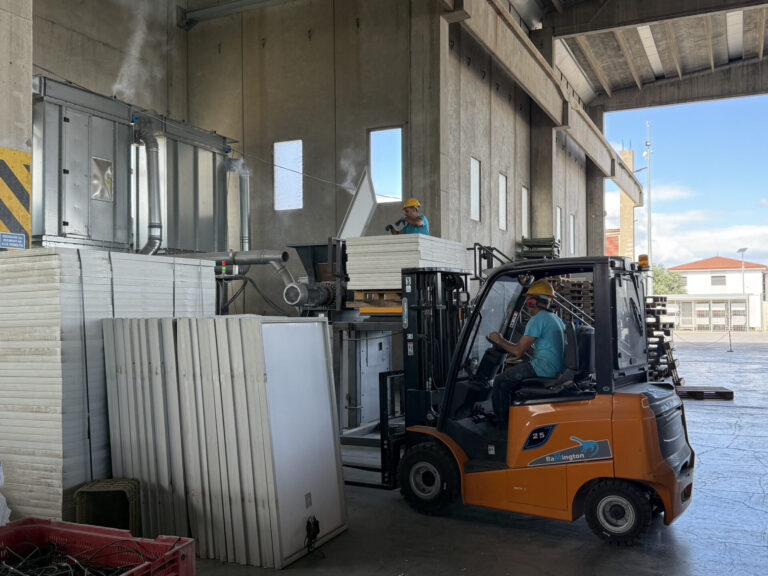
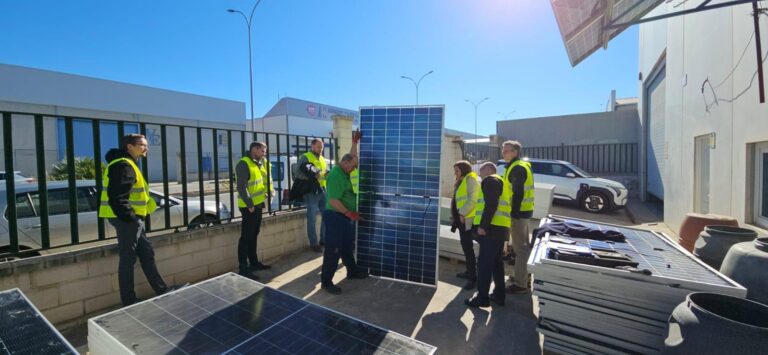
As Europe's first generation of solar panels reaches end-of-life, the SOPHIA project is working to recover the critical and valuable materials that today are largely lost.

Market
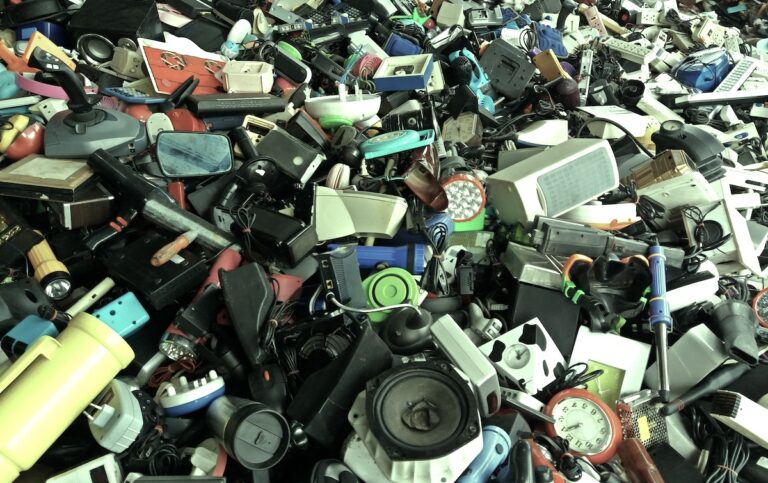
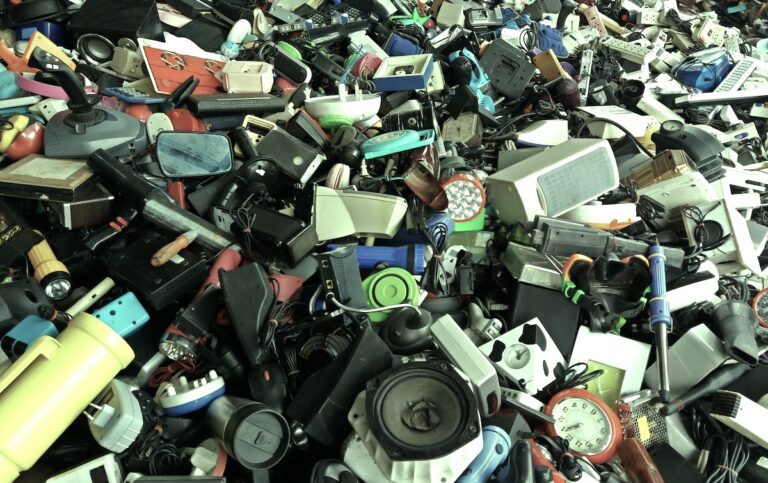
E-waste recycling, also known as electronic waste recycling, focuses on recovering valuable materials from discarded electronic devices. These devices include computers, smartphones, household appliances, and industrial electronics. During recycling, processors extract materials such as plastics, glass, copper, aluminum, and iron.?


Latest in this market
As Europe's first generation of solar panels reaches end-of-life, the SOPHIA project is working to recover the critical and valuable materials that today are largely lost.
Promoted videos
Ask the Expert
Engineers and product specialists who answer technical questions from readers. The answer comes back to you by e-mail; when we publish it, other readers benefit too.
 Tom JansenTOMRA Recycling
With more than 20 years of experience in sensor-based sorting technologies, Tom Jansen is VP, Head of Segments at TOMRA Recycling, where? Ask a question
Tom JansenTOMRA Recycling
With more than 20 years of experience in sensor-based sorting technologies, Tom Jansen is VP, Head of Segments at TOMRA Recycling, where? Ask a question
 Maximilian GutmayrErdwich Zerkleinerungs-Systeme GmbH
Maximilian Gutmayr, international sales manager at Erdwich Zerkleinerungs-Systeme GmbH since 2017, is an expert for shredding systems, hammer mills as well as? Ask a question
Maximilian GutmayrErdwich Zerkleinerungs-Systeme GmbH
Maximilian Gutmayr, international sales manager at Erdwich Zerkleinerungs-Systeme GmbH since 2017, is an expert for shredding systems, hammer mills as well as? Ask a question
 Xu XifengJiangsu Keson Environment Technology Co., Ltd.
Xu Xifeng, the founder of Keson and vice president of Jiangsu Low Carbon Environment Design Institute of China. He has been engaged? Ask a question
Xu XifengJiangsu Keson Environment Technology Co., Ltd.
Xu Xifeng, the founder of Keson and vice president of Jiangsu Low Carbon Environment Design Institute of China. He has been engaged? Ask a question
 Dave FlemingSSI Shredding Systems, Inc.
Dave Fleming is the Vice President of Sales and Marketing at SSI Shredding Systems, Inc., bringing over 30 years of dedicated experience? Ask a question
Dave FlemingSSI Shredding Systems, Inc.
Dave Fleming is the Vice President of Sales and Marketing at SSI Shredding Systems, Inc., bringing over 30 years of dedicated experience? Ask a question
Market & Technology Focus
Every Thursday edition takes one market or technology in depth. These are the editions on this market ? read them online or get the next one by e-mail.
Join 28,000+ engineers, plant managers and technical buyers. Free, twice a week.
What this market covers
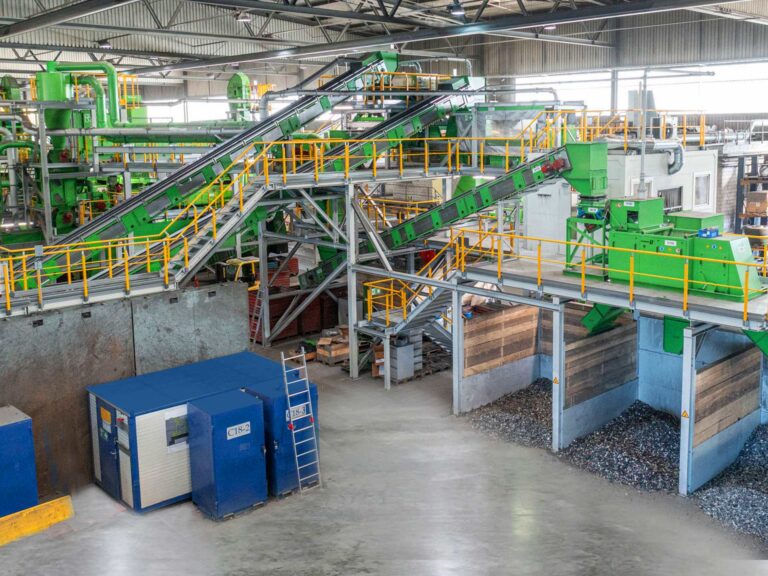
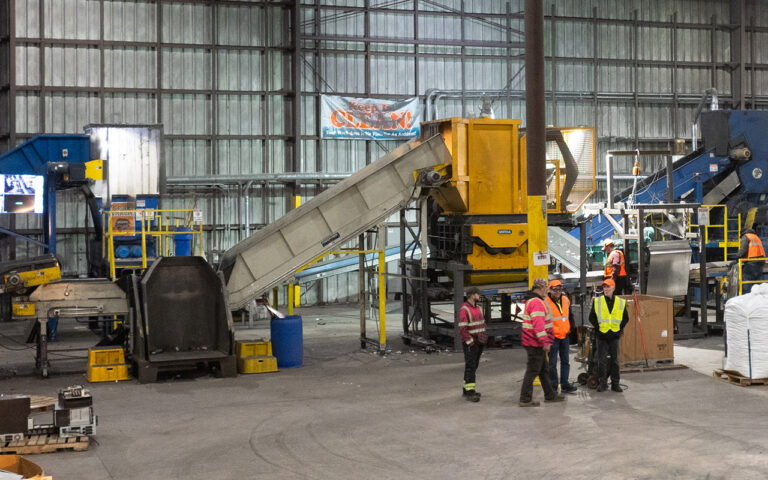
Incoming electronics are first sorted and inspected, with working units routed for data destruction and possible refurbishment while non-functional units move to processing. Devices are then manually disassembled to remove batteries, hazardous components, and easily separated materials before the remaining housing and internal assemblies are shredded. The shredded stream then passes through a series of magnetic, eddy current, and optical separation steps to recover metals and plastics for resale into raw material markets.
Circuit boards, batteries, and displays contain heavy metals such as lead, mercury, and cadmium that can leach into soil and groundwater if landfilled, which is why many jurisdictions restrict e-waste disposal by law. Standard recycling streams also aren't equipped to safely separate hazardous components like lithium-ion batteries, which pose a fire risk if crushed in a conventional baler or shredder. Dedicated e-waste processing is designed specifically to isolate these materials before mechanical processing begins.
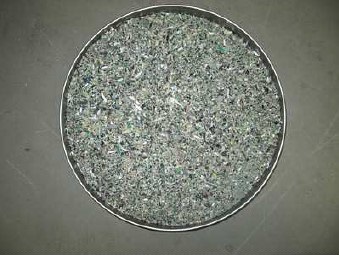
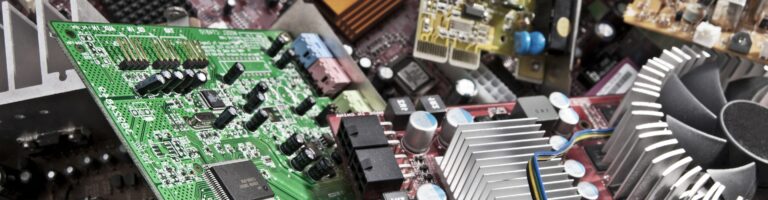
Printed circuit boards carry recoverable copper, gold, silver, and palladium, along with base metals like aluminum and steel from casings and internal frames. After shredding, boards are typically sent to specialized smelters that use pyrometallurgical or hydrometallurgical processes to extract precious and base metals at concentrations far higher than what's found in mined ore. Plastics from housings are also recovered where purity allows, though mixed or flame-retardant plastics are harder to recycle economically.
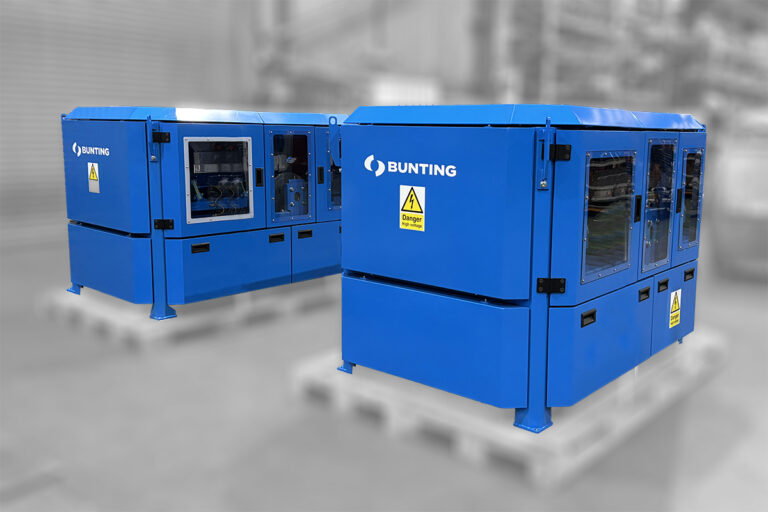
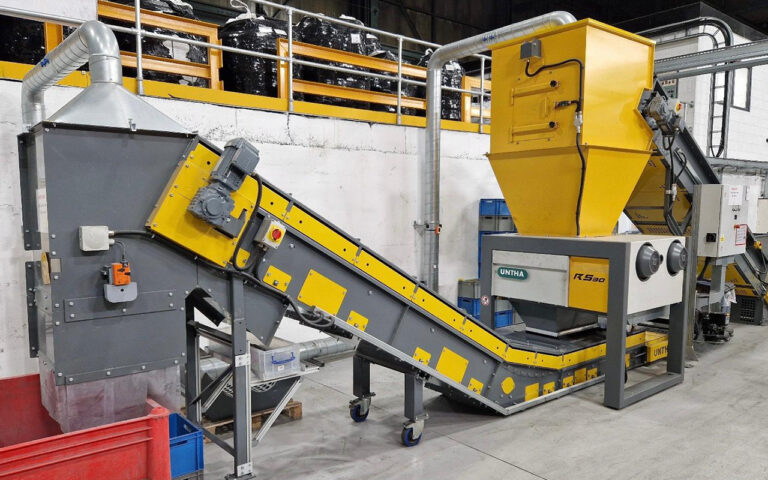
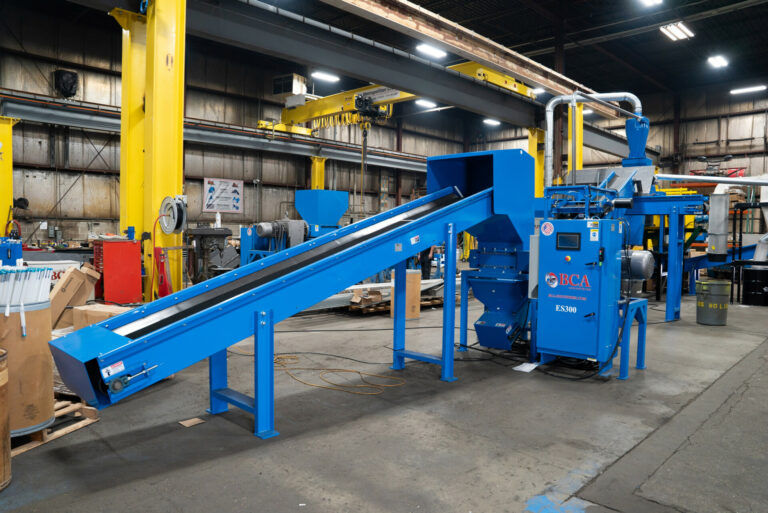
Industrial shredders reduce disassembled electronics to a manageable particle size, after which the stream runs through magnetic separators for ferrous metals and eddy current separators for aluminum and copper. Optical and near-infrared sorters help separate different plastic resins, while some facilities use density-based separation like air classification or float-sink tanks for finer sorting. Manual disassembly lines still play a major role upfront, particularly for removing batteries and hazardous components that automated equipment can't safely handle.
Older CRT monitors and televisions contain leaded glass that requires separate processing to prevent lead exposure, and mercury-containing components like older fluorescent backlights and certain switches must be extracted and managed as hazardous waste. Lithium-ion and other batteries are removed before shredding because of fire risk and are sent through dedicated battery recycling channels. Capacitors, some older transformers, and certain flame-retardant plastics can also require specialized handling depending on their chemical composition.
In the EU, the WEEE Directive sets collection, treatment, and recovery targets that producers and recyclers must meet for electronic and electrical equipment. In the US, there's no single federal e-waste law, so recyclers commonly pursue R2 or e-Stewards certification to demonstrate responsible downstream handling, data security, and environmental practices to their customers. Both certifications require independent audits of where materials actually end up, including bans on exporting hazardous e-waste to facilities that lack proper environmental controls.
Certified recyclers typically offer software-based data wiping that overwrites storage media to standards like NIST 800-88, verified with a certificate of destruction for the client's records. For drives that can't be wiped or where the client requires physical destruction, hard drives and solid-state drives are shredded or degaussed to render the data unrecoverable. R2 and e-Stewards certified facilities are required to maintain documented chain-of-custody procedures for any device that may still hold sensitive data.
No — a smartphone, a server rack, and a CRT television require very different handling despite all falling under the e-waste umbrella. CRTs need leaded glass separated and managed as hazardous material, while lithium battery-powered devices need batteries removed before any shredding occurs. Large appliances with refrigerants, like older air conditioning units, require refrigerant recovery similar to automotive AC systems, and industrial electronics often contain higher concentrations of precious metals that justify more labor-intensive manual disassembly.
A ton of circuit boards can contain far higher concentrations of gold and copper than a ton of mined ore, making urban mining from e-waste both resource-efficient and less environmentally disruptive than new extraction. Recovering these metals also avoids the energy consumption and habitat disruption associated with primary mining and ore processing. Properly capturing hazardous components before disposal further prevents the soil and water contamination that improperly discarded electronics would otherwise cause.
Rising volumes of lithium-ion batteries from consumer electronics and EVs are driving investment in dedicated battery recycling lines and improved fire suppression systems at processing facilities. AI-assisted optical sorting is improving plastic and metal separation accuracy, reducing the share of material that ends up in low-value residual streams. There's also growing interest in extending device lifespans through refurbishment and component harvesting before materials ever reach the shredder, as regulators push right-to-repair rules that could reshape how much e-waste is generated in the first place.