





Intelligent hotspot monitoring for recycling plants
Around 30 fires a day – or 10,000 fires a year – are recorded in German waste disposal facilities and recycling centres alone. And the problem is growing; not only in Germany, but across national borders. The main cause is the incorrect disposal of lithium-ion batteries, other types of batteries and e-cigarettes, which end up in household waste. If the casings of these batteries are damaged during the recycling process, short circuits frequently occur. The batteries then react with oxygen or other waste materials and, as a result, catch fire easily. A particular challenge is that critical temperature changes do not always become apparent immediately. Materials can heat up with a time delay, which has potentially serious consequences for the plant and its operations. For recycling centres, the processing of battery-powered devices therefore presents a growing challenge. More than ever, they are required to implement precautionary measures in the form of safety systems for the early detection of fires in their facilities.
Individual applications
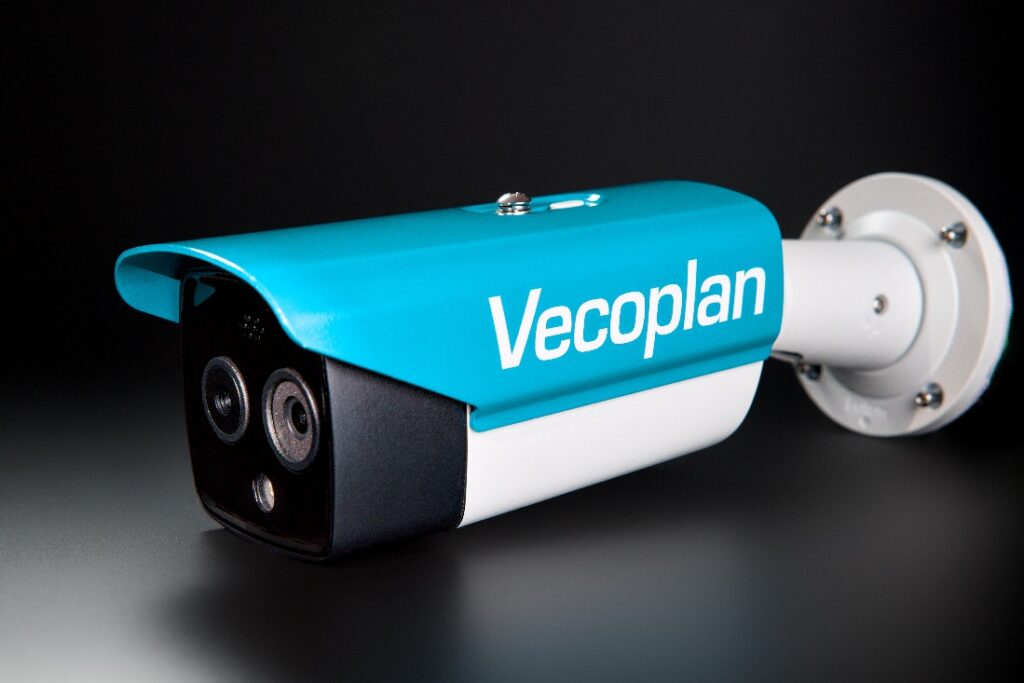
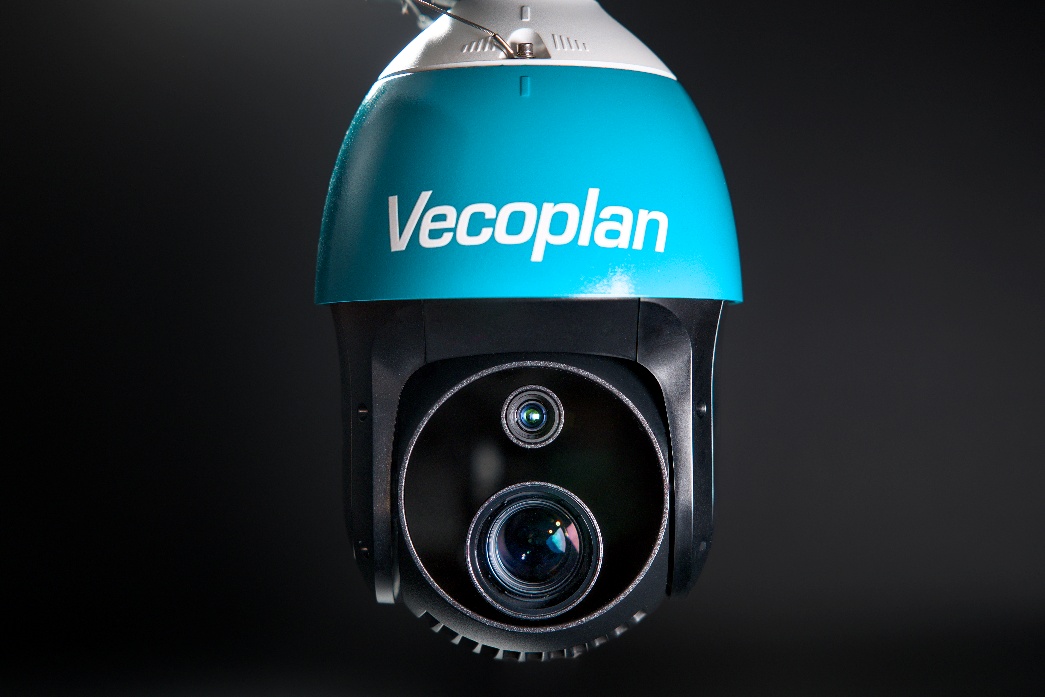
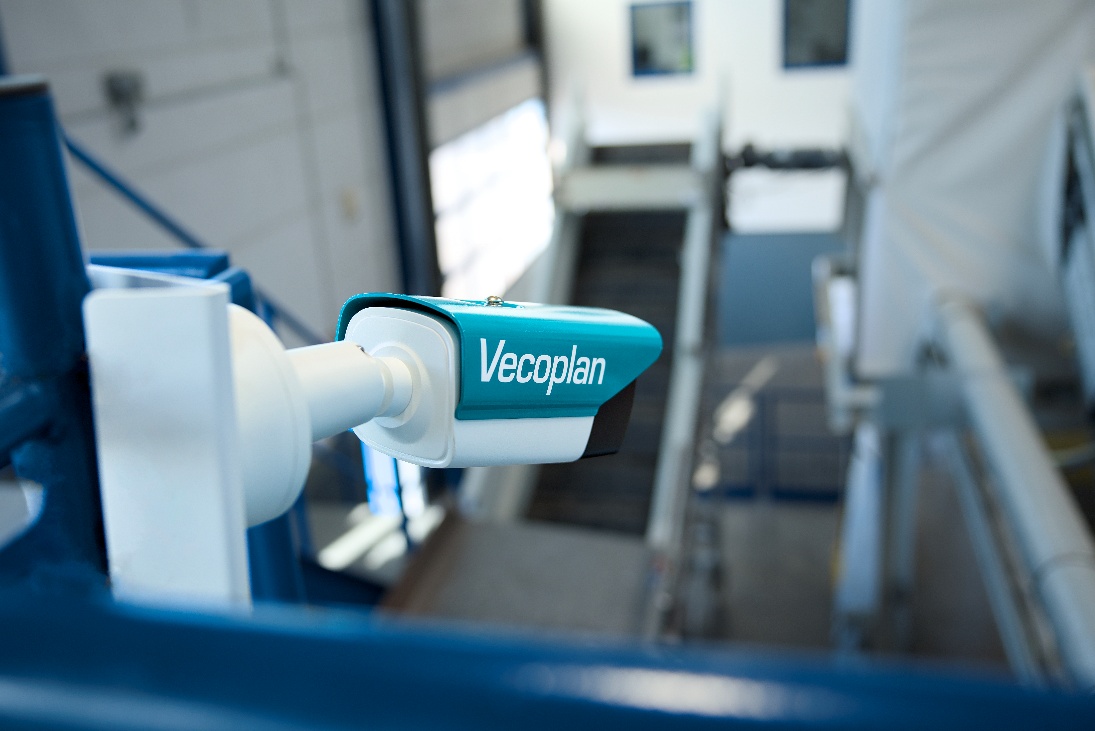
“As battery-powered devices are processed, materials that can generate heat without any apparent trigger are increasingly entering the material stream. Safe sorting of these materials is very labour-intensive and practically unfeasible. At the same time, it is becoming increasingly difficult for operators to obtain insurance cover for their systems,” explains Paul Mockenhaupt, Head of Automation Technology at Vecoplan, a supplier of recycling technology systems. To provide the best possible protection for its customers’ plants, the company is therefore expanding its portfolio to include its own camera technology: the intelligent “Hotspot Monitoring” system. Tailored to the customer’s specific requirements, the new thermal imaging camera detects unusual temperature events. Unlike conventional systems, it does not merely monitor individual points, but surveys defined areas comprehensively. If individually defined temperature thresholds are exceeded within the respective monitoring zone, the camera triggers an alarm. In this way, critical developments can be identified at an early stage, even before a hotspot develops into a fire. The potential applications extend far beyond individual conveyor belts. A camera sensor can, for example, also monitor material flows, stockpiles and bunkers, specific machine parts and the supply of materials. Unlike infrared detectors, the thermal imaging camera is not located directly within the material flow. Consequently, the sensor is not subject to any direct mechanical wear, whilst the risk of contamination is significantly reduced. In addition to the thermal image, the bispectral camera also provides a visual image. This makes it easier to verify alarms and prevent unnecessary call-outs.
Smart and self-sufficient
AI-powered image recognition makes the system particularly intelligent. This helps to correctly classify unusual temperatures. “Measuring temperatures is one thing. But the correct assessment of critical incidents goes beyond that – we first use the AI to classify these,” explains Paul Mockenhaupt. In this way, the system distinguishes whether a rise in temperature is caused by a vehicle and its exhaust fumes, or whether there is actually a critical fire source. Areas used for material supply or material bunkers can be configured accordingly so that forklift trucks or wheel loaders do not trigger unnecessary alarms. “We have thus developed an intelligent monitoring system from simple temperature measurement that combines thermal and visual information. This enables the operator to recognise more quickly and effectively whether or not there is a fire risk.” Vecoplan integrates “Hotspot Monitoring” into its digital control unit, the Vecoplan Smart Centre (VSC). This enables customers to carry out continuous temperature measurement within defined monitoring zones. “A practical feature is that the camera remains fully operational even during internet outages. It is linked to the VSC but does not rely on an internet connection,” says Paul Mockenhaupt. In conjunction with a control unit situated upstream of the camera system, there are two key components for processing the measurement and video data. Firstly, a programmable logic controller (PLC) for processing alarm and temperature signals, and secondly, the VSC.router, which acts as an interface for a secure IT connection. Experts can thus provide remote support to plant operators and assist them in assessing incidents via remote service. However, the specific benefit for machine operators stems primarily from the combination of metrological and visual monitoring of their plant. All areas of the plant are continuously monitored, enabling proactive intervention at an early stage in the event of unusual temperature trends. In the event of an alarm, the operator can connect to the plant via the VSC and view the incident directly.
A holistic approach to the recycling process
With the hotspot monitoring camera, Vecoplan is adding another key component to its comprehensive portfolio. The turnkey system supplier covers the entire process – from shredding, through conveying and screening technology, to cleaning technology – all from a single source. Thermal imaging technology integrates seamlessly into this overall system. For operators, this means fewer interfaces and technology that is optimally coordinated. At the same time, the camera can be easily retrofitted and, in principle, integrated into a wide variety of systems. The increasing number of battery-powered devices in the waste stream will continue to present the recycling industry with new challenges in the future. This makes it all the more important to identify and prevent risks at an early stage in the ongoing process. With this example of modern fire detection, Vecoplan demonstrates how state-of-the-art camera technology can become an integral part of smart recycling plants and how digitalisation and plant expertise can be combined to form a comprehensive solution.
About Vecoplan
Vecoplan is a manufacturer and supplier of machinery and equipment for processing and handling primary and secondary raw materials for material and thermal recycling. These include wood, biomass, plastics, paper and other materials, as well as domestic and commercial waste. The company’s extensive portfolio lays the foundation for effective recycling. Vecoplan supports both individual machine orders and complex plants and mega-projects as a partner. The company currently employs 580 people at its own locations in Germany, the USA, Great Britain, Spain, Poland, Italy and France.
