




Full-Spectrum Portfolio: 12+ Tailored Solutions Across All Solid Waste Segments
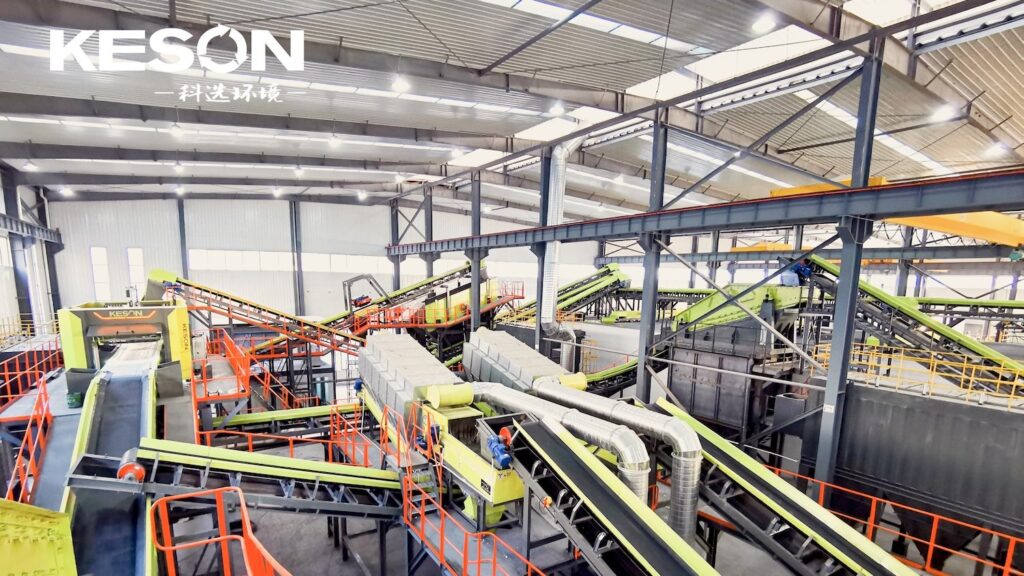
To address the industry’s longstanding challenge of highly heterogeneous waste streams with widely varying physical properties, Keson has moved beyond the single equipment supply model to build a systematic solution matrix covering 12 major categories of solid waste. These include construction and decoration (C&D) waste, MSW, landfill-mined waste, bulky waste, industrial residual waste, waste electrical and electronic equipment (WEEE), automotive shredder residue (ASR), kitchen and food waste, scrap metal, waste tires, incineration bottom ash, and integrated sanitation services.
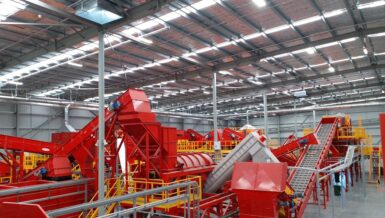
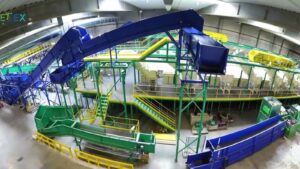
Guided by the philosophy of modular process design, Keson flexibly combines technical units such as crushing, screening, air classification, magnetic separation, optical sorting and AI sorting to customize optimal treatment flows, based on feedstock characteristics, treatment scale and final product specifications of each project. This capability of “customized on demand + systematic integration” makes sorting solutions suitable for both large-scale urban comprehensive disposal projects and county-level dedicated treatment facilities, achieving the optimal balance of efficiency, purity and cost.
Driving Value Across Applications: Precision Sorting Unlocks Full Waste Stream Potential
MSW and RDF: From Mixed Waste to Standardized Resources
Municipal solid waste remains one of the most technically demanding sorting applications, characterized by its heterogeneous composition, high moisture content, and high propensity for tangling and equipment clogging. Keson’s end-to-end MSW process follows four core stages: pre-treatment with automatic bag opening, coarse impurity removal, density-based classification, and AI-driven fine sorting. Paired with anti-tangle trommel screens, horizontal air classifiers and high-speed optical sorters, the system identifies more than 20 material fractions at belt speeds exceeding 2 m/s, delivering 95% purity for sorted plastics and 90% recovery efficiency for paper – performance significantly outperforming conventional sorting systems.
In a municipal recyclables sorting project in Xingyang, Henan Province, this system processes 110 tonnes of input material per day, separating mixed recyclables into distinct output streams: ferrous metals, non-ferrous metals, recovered paper, recyclable plastics, glass and mixed combustibles. The configuration dramatically boosts overall resource recovery rates and reduces reliance on landfill disposal.
For refuse-derived fuel (RDF) production lines, Keson incorporates near-infrared (NIR) optical sorting technology for enhanced quality control. Building on upstream air classification and magnetic separation for bulk impurity removal, the system selectively recovers high-calorific-value combustible fractions while tightly controlling contaminants such as chlorine and heavy metals, ensuring consistent calorific value and strict adherence to fuel quality specifications. This transforms mixed MSW into a standardized alternative fuel suitable for cement kilns and waste-to-energy facilities, turning a waste disposal liability into a revenue-generating fuel product.
Plastic Recycling: End-to-End Upgrade from Coarse Separation to High-Value Circular Reuse
The true value driver in plastic recycling lies in high-purity sorting tightly integrated with downstream reprocessing and valorization. Keson’s Industry 4.0 AI Sorting Robot combines deep learning algorithms with multispectral sensor technology to accurately classify 15 polymer types – including PET, HDPE and LDPE – as well as rubber fractions, achieving a recognition accuracy of 99.2%. Complementing this, Keson’s high-speed optical sorters deliver millisecond-accurate separation of lightweight materials such as films and thin flakes, addressing long-unmet challenges in conventional sorting workflows.
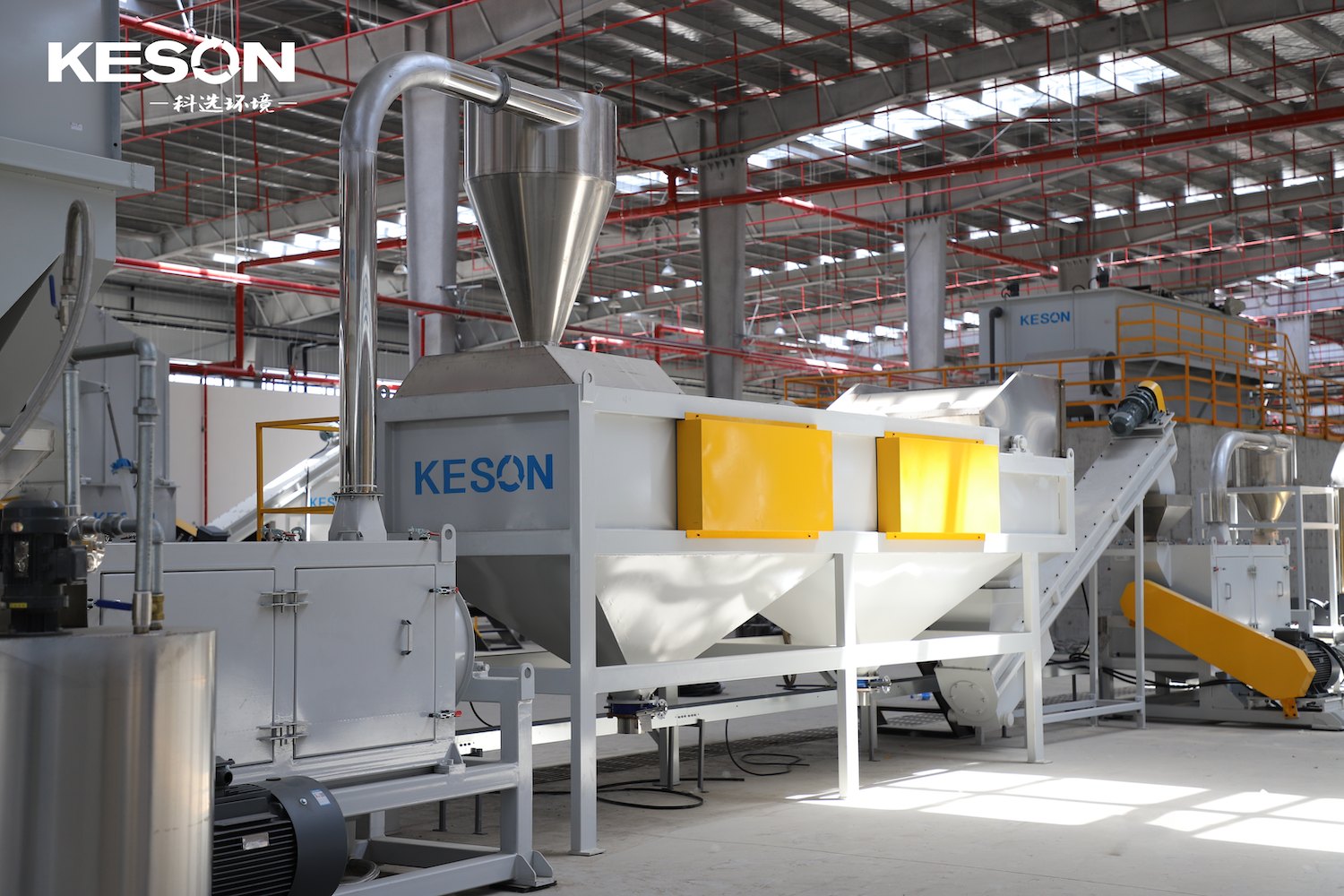
In the Taizhou integrated recyclables recycling project, Keson engineered dedicated process trains for PET and HDPE streams. PET bottle bales undergo bale opening, label removal, size reduction, washing, density separation, dewatering and drying to yield high-purity recycled PET flakes. The HDPE stream advances through an additional extrusion pelletizing step to produce uniform, specification-grade recycled pellets. This integrated model of precision sorting plus downstream reprocessing extends the plastic recycling value chain and closes the loop by returning post-consumer plastics back into industrial manufacturing.
Metal Recovery: Multi-Stage Integrated Process Delivers Industry-Leading Purity
Addressing pervasive industry pain points – including ferrous metal interference in non-ferrous separation and inconsistent output purity from mixed waste streams – Keson delivers a three-stage metal recovery system: high-intensity magnetic pre-separation, eddy current separation, and AI-powered fine sorting. Upfront, a high-intensity magnetic drum extracts ferrous metals (iron, steel) from the feed stream, eliminating interference with downstream separation equipment. Mid-stream, an eddy current separator efficiently recovers non-ferrous metals such as aluminum, copper and brass. Finally, AI-powered optical sorting further grades non-ferrous fractions by alloy type – including copper, aluminum and stainless steel – delivering final product purity of 98% to 99.5%.
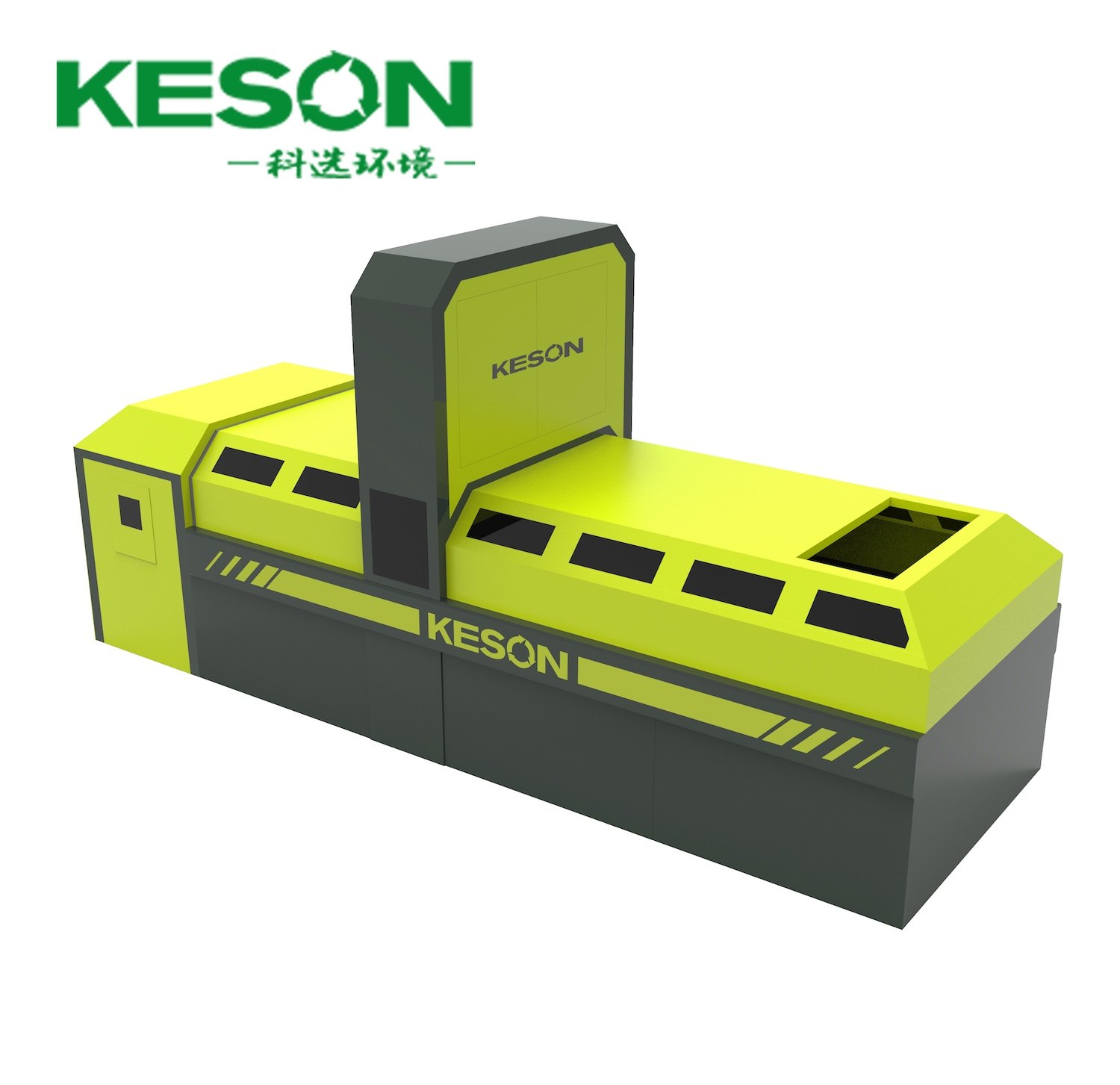
In real-world WEEE recycling applications, this integrated system has been shown to boost non-ferrous metal recovery by 35%, reduces reliance on manual sorting, and delivers substantial operational cost savings while significantly improving the economics of metal recovery.
Comprehensive In-House Equipment Portfolio: The Backbone of Technical Leadership
Reliable, high-performance intelligent sorting depends on purpose-built core equipment, all developed and manufactured in-house by Keson. Organized across three core process stages – pre-treatment, physical separation and intelligent sorting – the company’s product portfolio includes:
- Ballistic Screen / Disc Screen: Designed to separate 3D rigid items from 2D flexible materials based on differences in shape, density and ballistic behavior, these units deliver high throughput, excellent anti-tangle performance and low maintenance requirements, making them ideal for primary screening of complex waste streams.
- Horizontal Air Separator: Adopting a combined positive and negative pressure design with zero dust leakage, it divides materials into light, medium and heavy fractions, suitable for light-heavy separation in multiple scenarios such as C&D waste and MSW.
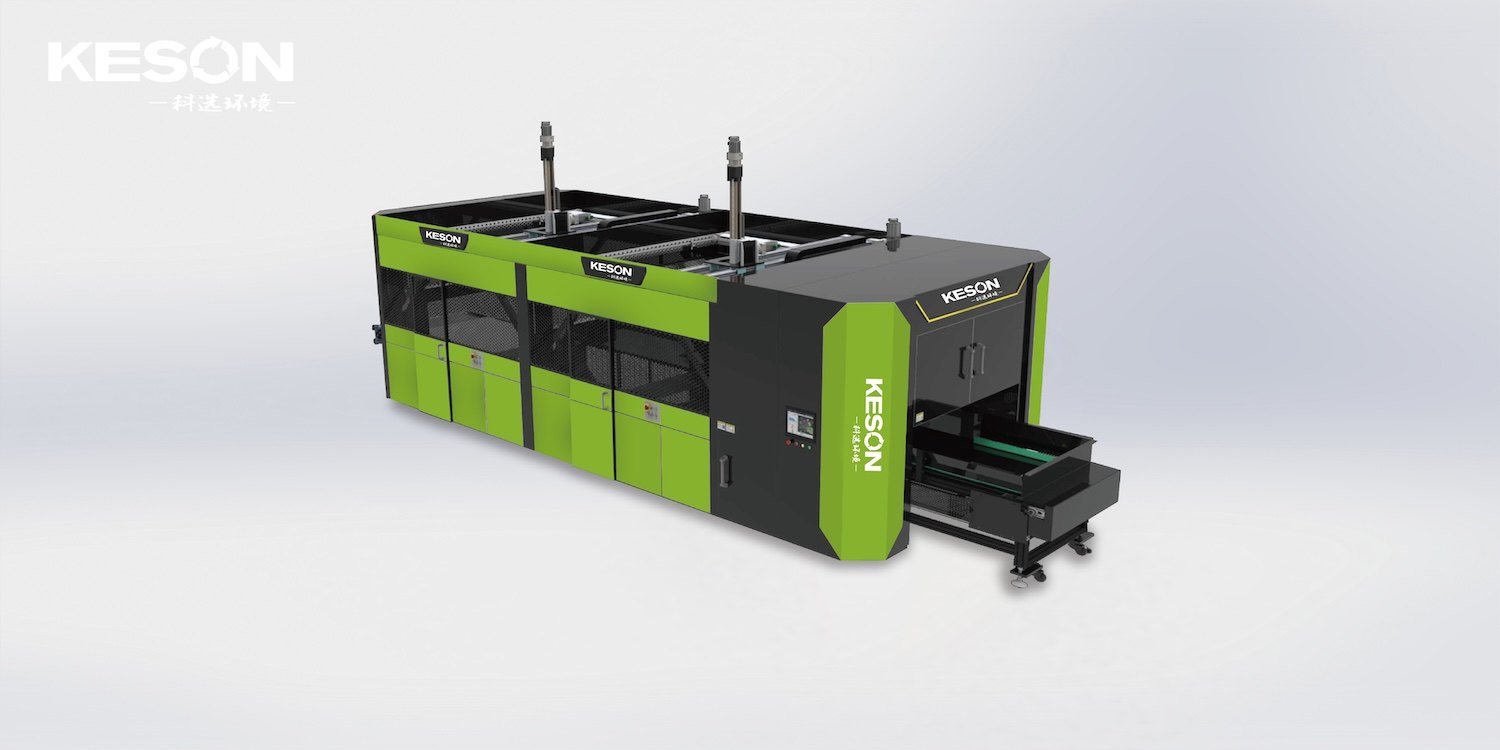
- AI Intelligent Sorting Robot: Equipped with 3D vision and deep learning models, it reaches a maximum grasping speed of 2,400 times per hour. It adapts to fine sorting under complex feedstock conditions and can replace manual labor in high-intensity sorting operations
- Eddy Current Separator: Featuring high-frequency high-intensity magnetic design, it efficiently separates various non-ferrous metals. Its modular structure adapts to different treatment scales and is widely used in scrap metal, WEEE, incineration bottom ash and other scenarios.
Elevating Industry Value: Separation and Sorting Technology as the Cornerstone of the Circular Economy
The value of advanced separation and sorting technology extends far beyond basic material separation. Most critically, it transforms heterogeneous waste streams into standardized, high-quality recycled feedstocks – directly enhancing the market competitiveness of recycled materials and improving the commercial viability of recycling projects. By tightly integrating intelligent sorting with downstream processing and valorization, Keson elevates recycled outputs from low-grade mixed fractions to high-purity, specification-grade materials, reducing project reliance on policy subsidies and creating a self-sustaining circular value chain: waste input → precision sorting → high-quality recycled products → market revenue.
To date, Keson’s sorting technologies and equipment have been deployed in more than 80 turnkey projects across 17 countries and 40+ regions worldwide, spanning use cases from million-tonne-per-year flagship urban facilities to dedicated county-level recycling plants. Powered by its unique closed-loop R&D model, in which operational data from real projects directly informs product development, Keson continuously refines its technologies based on real-world operating data, ensuring its solutions remain highly relevant and effective in practical production environments.
Amid tightening global resource constraints and rising demand for sustainable waste management, intelligent, high-value sorting has emerged as a core growth driver for the global solid waste industry. Driven by continuous technological innovation, Keson will continue to push the boundaries of sorting precision, throughput and cost efficiency, unlocking the full resource value of more waste streams and driving long-term progress in the global circular economy and low-carbon transition.