Market

Wood Recycling

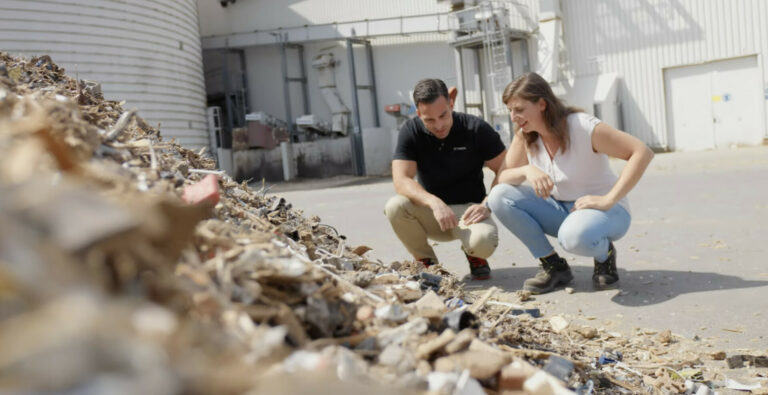
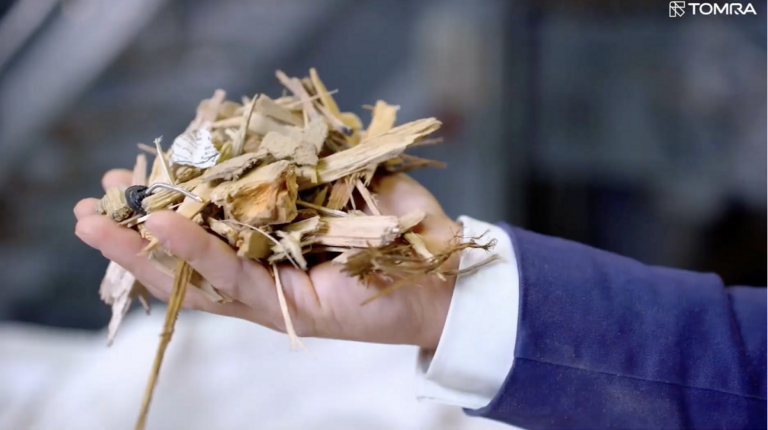
Recycling wood Wood waste is a precious resource that is abundantly available and can be used for material recycling or energy production, depending on the quality grade. The term "waste wood" includes all woods and wood-based products that have come?

Latest in this market

Wood Recycling news and case studies

All articles in this market
Independent editorial selection ? no sales pitches. Sponsored items are marked as such. Submit your news

Promoted videos

Wood Recycling in action

All videos

Ask the Expert

Ask a wood recycling expert ? free

Engineers and product specialists who answer technical questions from readers. The answer comes back to you by e-mail; when we publish it, other readers benefit too.

View all experts

Market & Technology Focus

Wood Recycling, in depth in your inbox

Every Thursday edition takes one market or technology in depth. These are the editions on this market ? read them online or get the next one by e-mail.

Subscribe to our E-newsletters

Join 28,000+ engineers, plant managers and technical buyers. Free, twice a week.

What this market covers

Frequently asked about wood recycling

What happens to wood waste once it enters the recycling stream?

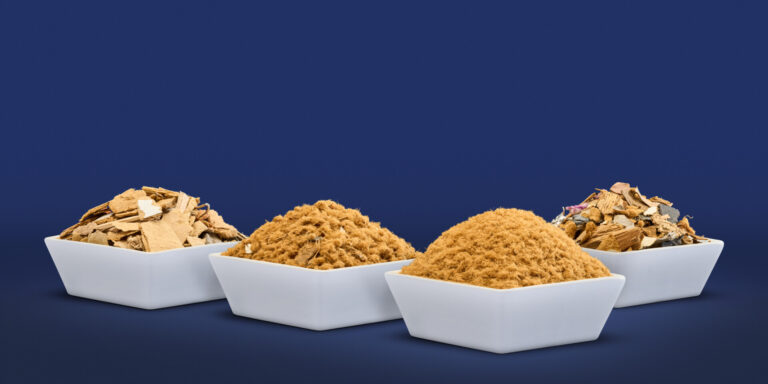
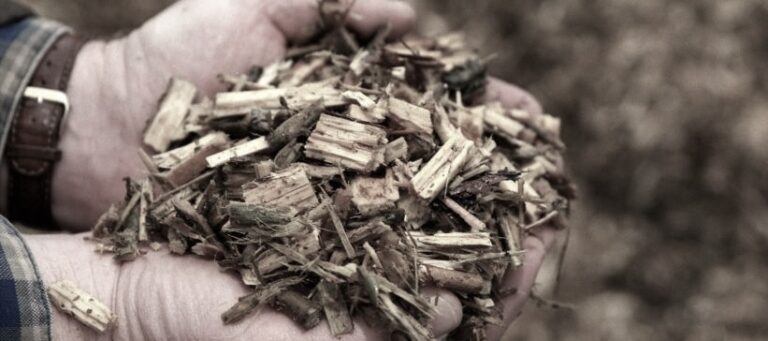
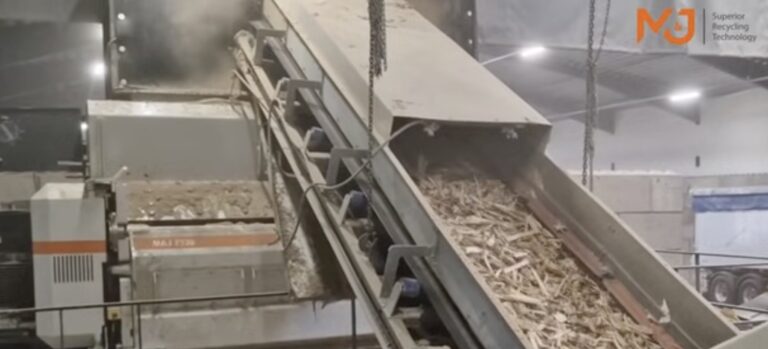
Incoming wood is first sorted by grade and contamination level, then run through a grinder or chipper to reduce it to a uniform particle size, with magnets and screens pulling out nails, hardware, and oversized debris along the way. Depending on the grade, the processed wood is then routed to mulch production, biomass fuel, or as feedstock for particleboard and other engineered wood products.

Why does wood need special sorting before it can be recycled or reused?

Clean, untreated wood behaves very differently from painted, pressure-treated, or preservative-laden wood, since the latter can contain chemicals like chromated copper arsenate or creosote that make it unsuitable for mulch, animal bedding, or open combustion. Sorting by grade also protects downstream equipment and end products, since embedded nails, hardware, or plastic laminate can damage grinders or contaminate a clean fiber stream.

What's the difference between clean and treated wood streams in recycling?

Clean or untreated wood, such as pallets, dimensional lumber offcuts, and untreated construction scrap, can generally be chipped and used directly for mulch, animal bedding, or biomass fuel. Treated, painted, or preservative-treated wood, including pressure-treated lumber and older painted material that may contain lead, is typically restricted to specific disposal or processing paths and excluded from mulch or fuel uses because of the chemical residues it carries.

What equipment is used to process wood waste at a recycling facility?

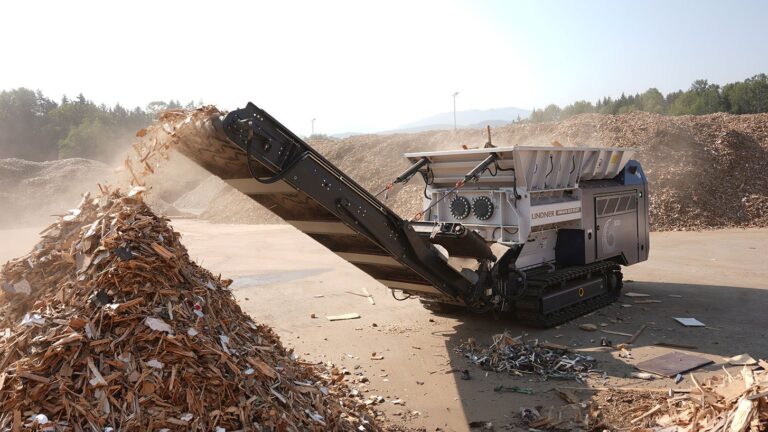
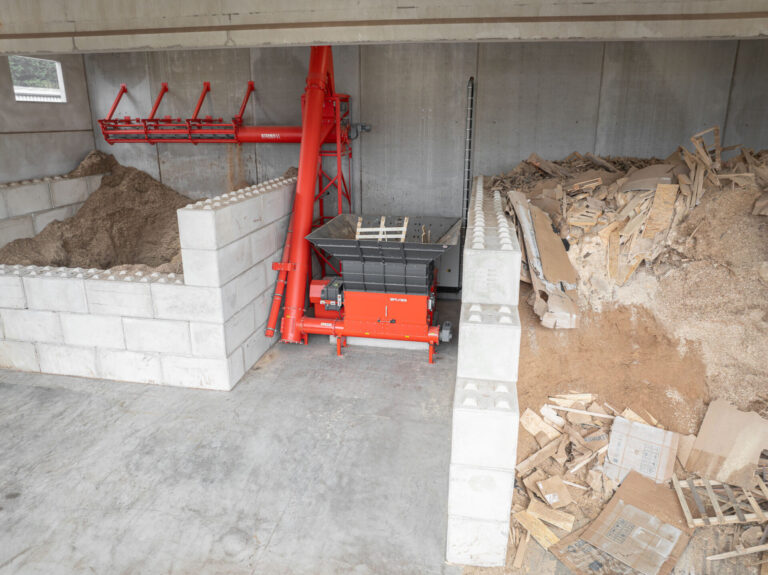
Horizontal or tub grinders handle bulky material like pallets, stumps, and construction debris, while smaller chippers are used for cleaner, more uniform wood streams. Magnetic separators pull out nails and metal fasteners, and trommel screens or star screens size the ground material into different grades for mulch, fuel, or further processing.

What products are made from recycled wood?

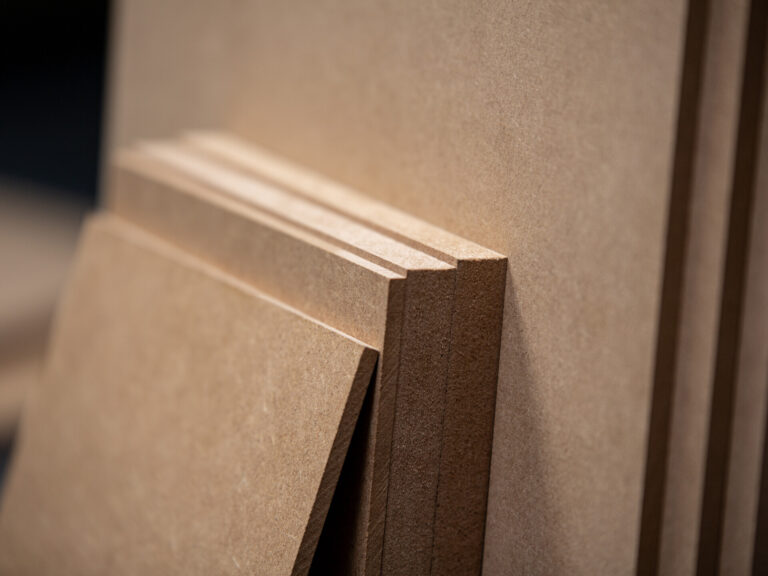
Ground clean wood commonly becomes landscaping mulch, animal bedding, or biomass fuel for industrial boilers and power generation. Higher-grade, well-sorted wood fiber can also be used as feedstock for particleboard, oriented strand board, and other engineered wood panel products, though these applications typically demand tighter contamination control than mulch or fuel.

What contamination issues most commonly affect wood recycling?

Embedded nails, screws, and other metal hardware are the most routine contamination issue and are generally manageable with magnetic separation. More difficult contaminants include lead paint, pressure-treatment chemicals, plastic laminates, and glued composite materials like particleboard or MDF, which can render a load unsuitable for mulch or fuel use and push it toward landfill disposal or specialized processing instead.

Can painted or treated wood still be recycled?

It depends on what it's treated or painted with — some painted wood can still be ground for biomass fuel if combustion controls can handle the residues, but wood treated with older preservatives like chromated copper arsenate or creosote is generally excluded from mulch, animal bedding, and open fuel use due to the toxicity of leachate and combustion byproducts. Facilities typically require these streams to be identified and separated at intake rather than caught later in the grinding process.

What regulations apply to wood waste handling and disposal?

Treated wood containing preservatives can fall under state solid waste or, in some cases, RCRA hazardous waste rules depending on the specific chemical treatment and local regulations, which affects how it can be stored, transported, and disposed of. Many states and municipalities also have separate landfill diversion requirements or bans on clean wood waste specifically to push it toward mulch, fuel, or panel-product recycling instead of disposal.

What are the environmental and economic benefits of recycling wood waste?

Diverting wood from landfills reduces methane generation from decomposing organic material and extends landfill capacity, while biomass fuel and mulch markets give generators a lower-cost alternative to disposal tipping fees. Using recovered wood fiber in particleboard and other panel products also reduces demand for virgin timber, supporting broader forest resource conservation goals.

What trends are shaping the wood recycling market?

Growing demand for biomass fuel in industrial and utility-scale power generation is increasing competition for clean wood feedstock, while stricter landfill diversion rules in some regions are pushing more construction and demolition wood into grinding and sorting facilities rather than disposal. There's also continued investment in optical and sensor-based sorting technology to better separate treated from untreated wood automatically, reducing reliance on manual inspection at intake.

Reach the wood recycling audience

A basic listing in the Manufacturers Directory is free. Advertising and Partner placements add visibility across the site and in the Weekly E-Update.

Advertise with us