
Technology Zone
Material Handling Technology
Material handlers, cranes, loaders and container systems do the heavy lifting in scrap yards and MRFs. This zone follows the machines and attachments that feed, sort and load recyclables — and the manufacturers behind them.
All articles in this zone
Material Handling Technology — page 1 of 5


Promoted videos
Material Handling Technology in action
What this zone covers
Material Handling Technology: how it works, key numbers and troubleshooting
Fundamentals
The machines that move the yard
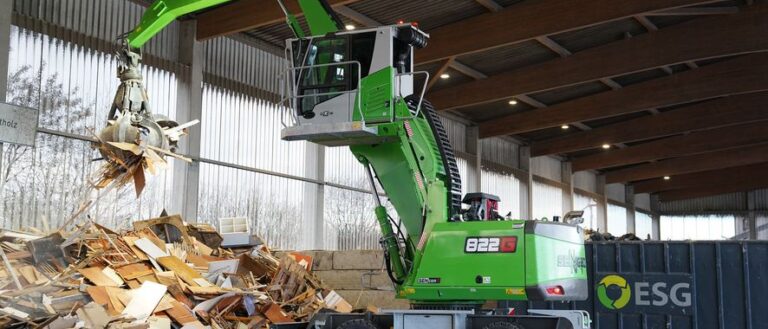
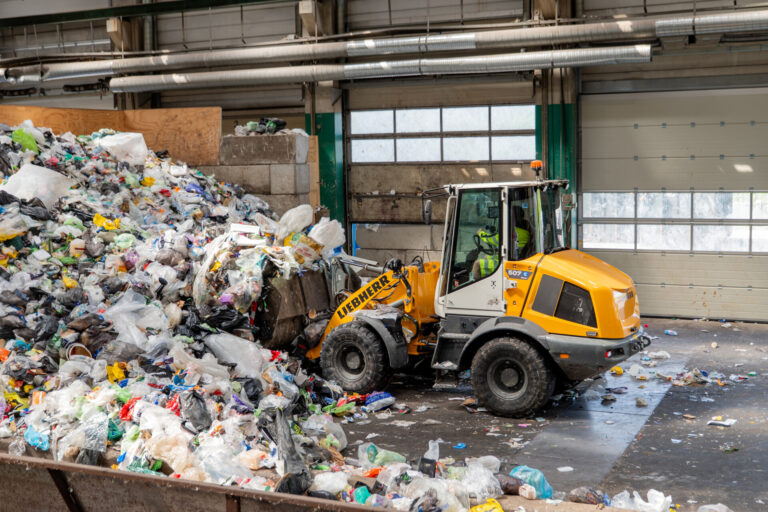
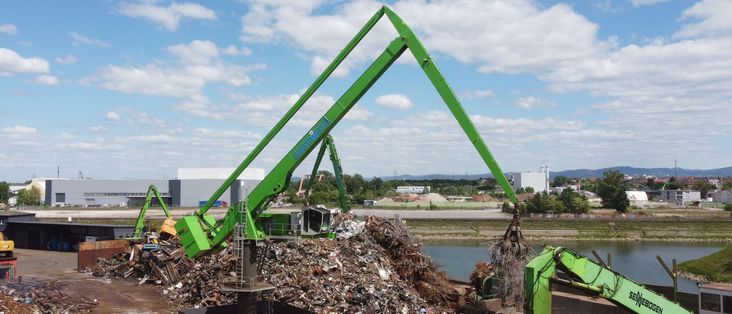
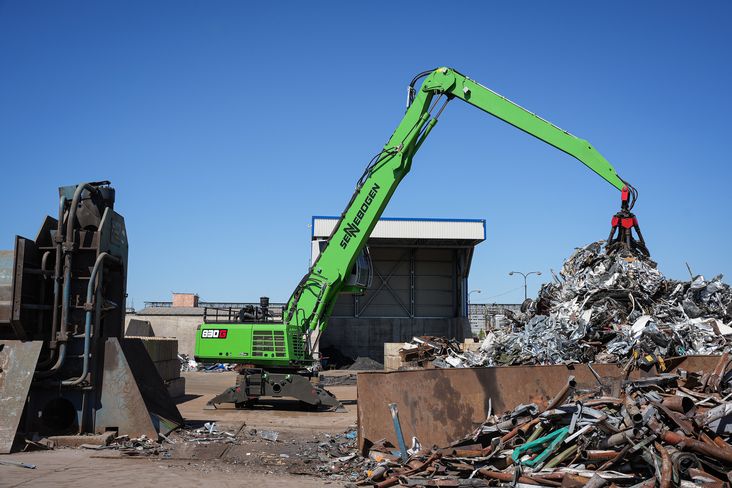
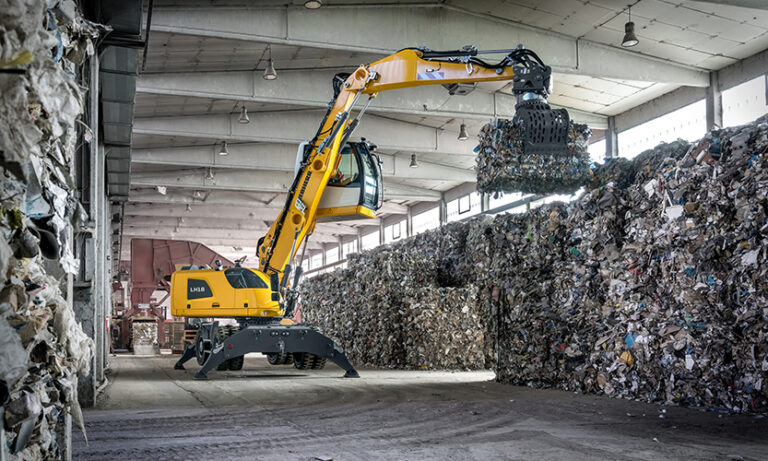
Material handlers (purpose-built excavator-type machines with long reach and a grab, magnet or shear), wheel loaders, telehandlers and forklifts do the loading, feeding, sorting and stacking in scrap yards, MRFs and transfer stations. Cranes with grabs feed incinerator bunkers and large storage halls; hooklift and skip vehicles, walking-floor trailers and containers move material between sites. The right machine depends on the material's density, the height and reach needed, and how many hours a day it works.
Attachments decide the job
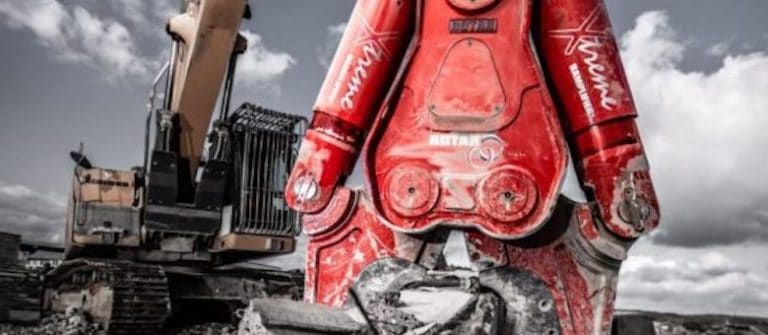
A five-tine orange-peel grab for loose scrap, a clamshell for fines and organics, a magnet for ferrous, a shear or a rail-cutting attachment for oversize, a sorting grab with rotator for picking, a high-tip bucket for light bulky material: the attachment turns the base machine into the tool for the task. Quick couplers and hydraulic rotators make one machine do several jobs; the attachment's weight counts against the machine's lift capacity.
Feeding the process
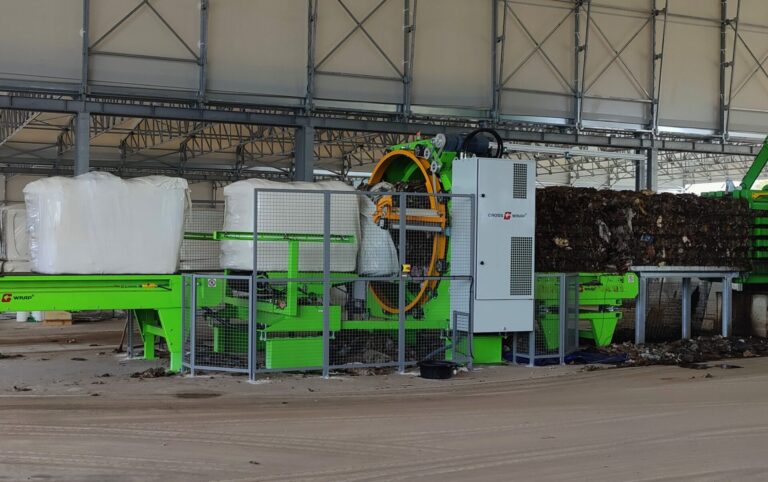
The loader or handler that feeds the shredder, the baler or the sorting line is the first metering device of the plant — and usually the most erratic. Feed hoppers with metering floors, dosing bunkers and level indicators turn bucket loads into a steady flow; camera and radar level measurement in the hopper tells the operator when to load. Consistent feeding is worth more to line performance than any single machine downstream.
Storage, bays and logistics
Push walls and storage bays keep materials separate and clean; bay width and height match the loader; floor slabs must take the abrasion and impact; drainage and roofing decide moisture. Traffic planning — one-way routes, separate pedestrian paths, defined loading zones, reversing cameras and proximity systems — is where most serious accidents in recycling are prevented.
Electrification and telematics
Electric material handlers and loaders, tethered or battery-powered, are now standard in indoor and urban plants: no exhaust in the hall, lower energy cost, less noise, more maintenance-friendly. Telematics track fuel or energy per tonne, idle time, impacts and maintenance intervals; weighing systems on the loader bucket or the handler's grab record every tonne moved and feed inventory and billing.
Key parameters
| Parameter | Typical range | Rule of thumb |
|---|---|---|
| Material handler reach | 10–20 m; lift 1–3 t at full reach | Reach × load at reach, not the base weight, sizes the machine |
| Wheel loader bucket | 3–8 m³ high-tip buckets for light recyclables | Volume for light material, breakout force for scrap |
| Grab capacity | 0.4–1.5 m³ orange-peel; clamshell 1–3 m³ | Grab weight reduces payload by the same amount |
| Feed hopper buffer | 15–30 min of line throughput | Enough to bridge loader cycles; metered discharge |
| Loader cycle | 40–90 s per bucket | Distance and turning, not lifting, set the cycle |
| Electric handler energy | 0.5–1.5 kWh/t moved; 30–50 % lower energy cost than diesel | Tethered where the machine works in one place; battery where it moves |
| Push wall height | 3–5 m; designed for the loader's bucket height | Piles above the wall spill into the next bay |
| Traffic separation | Pedestrian routes physically separated; speed limits 10–15 km/h | Reversing and blind spots cause most vehicle accidents on site |
Troubleshooting
| Symptom | Likely causes | What to do |
|---|---|---|
| Sorting line starves and surges | Loader feeds the belt directly; no buffer hopper; loader busy elsewhere | Dosing bunker with metered floor, level indication, dedicated feeding machine |
| Material contamination between bays | Bays too narrow; piles over the push wall; loader carry-over | Wider bays, wall height, bucket cleaning between materials, clear labelling |
| High fuel or energy per tonne | Long travel distances; idling; wrong machine for the job; worn tyres | Yard layout, telematics on idle time, electric machines for fixed positions |
| Grab or magnet damage | Overload; wrong attachment for the material; impacts | Attachment matched to material, load monitoring, operator training |
| Floor slab breaking up | Abrasion and impact from scrap; heavy machines; poor drainage | Reinforced, abrasion-resistant slabs, sacrificial wear layer, drainage |
| Near-misses between vehicles and people | Mixed traffic; reversing; poor visibility; no defined zones | Separated routes, one-way traffic, cameras and proximity warning, high-visibility rules |
| Downtime on the handler | Hydraulic contamination; missed maintenance; abuse | Telematics-driven maintenance, oil analysis, impact monitoring |
Go deeper: news and case studies · frequently asked questions
Equipment Guide
Material Handling Technology in the Equipment Guide
6 equipment types
Recommended manufacturers

Ask the Expert
Ask a material handling technology expert — free
Engineers and product specialists who answer technical questions from readers. The answer comes back to you by e-mail; when we publish it, other readers benefit too.
 Xu Xifeng
Jiangsu Keson Environment Technology Co., Ltd.
Xu Xifeng
Jiangsu Keson Environment Technology Co., Ltd.
Xu Xifeng, the founder of Keson and vice president of Jiangsu Low Carbon Environment Design Institute of China. He has been engaged…
Ask a question Ivan Hondekyn
Valvan nv
Ivan Hondekyn
Valvan nv
Ivan Hondekyn has been part of the Valvan team for over 25 years, bringing a rare depth of expertise across design, project…
Ask a questionMarket & Technology Focus
Material Handling Technology, in depth in your inbox
Every Thursday edition takes one market or technology in depth. These are the editions on this zone — read them online or get the next one by e-mail.
Subscribe to our E-newsletters
Recycling technology worth your time: new equipment, plant case studies and the numbers behind them. Free, twice a week.
Questions and answers
Frequently asked about material handling technology
Material handler or wheel loader?
A material handler for sorting, picking, feeding from a fixed position and working over walls and into bunkers: reach and precision. A wheel loader for moving volume across the yard, loading trucks and pushing up piles: speed and capacity. Most plants need both; the handler feeds, the loader moves.
How do I make the feed to my sorting line steady?
Put a dosing bunker with a metered floor (walking floor, chain floor) between the loader and the line, sized for 15–30 minutes of throughput, with level indication for the operator. The bunker turns bucket loads into a constant stream, which is what every downstream screen and sorter needs to reach its design purity.
When does an electric material handler pay off?
Almost always when the machine works indoors or in one place: a tethered electric handler has no exhaust in the hall, costs 30–50 % less to run per hour, needs less maintenance and is quieter. For machines that move across a large yard, battery models are catching up; check the duty cycle against the battery capacity.
Which grab for which material?
Orange-peel grabs with four or five tines for loose scrap and bulky waste; clamshells for fines, organics, soil and anything that runs through tines; sorting grabs with rotator for picking and demolition; magnets for ferrous on a handler with a generator. The grab's own weight comes off the payload, so a heavy grab on a small machine leaves little for the material.
How do I reduce vehicle accidents on site?
Separate people from machines physically: pedestrian routes with barriers, one-way vehicle routes, defined loading zones, speed limits, reversing cameras and proximity detection on machines, high-visibility clothing and a rule that nobody walks in a machine's working area. Most serious injuries in recycling involve a vehicle and a person on foot.
How do I know how many tonnes each machine moves?
On-board weighing on loader buckets and handler grabs records every load and feeds it to the plant's inventory and billing; telematics add fuel, energy, idle time and impacts. Together they show cost per tonne per machine and which parts of the yard layout waste time.
What should a storage bay look like?
Wide enough for the loader to work without touching the walls, push walls higher than the pile, a reinforced abrasion-resistant floor with drainage, roofing for materials that must stay dry (paper, RDF), clear labelling, and separation distances or fire walls between combustible materials — the fire safety plan and the yard layout are the same document.
What is the difference between this Technology Zone and the Equipment Guide?
The zone is the editorial side: news, case studies, videos, newsletter editions and field experts. The Equipment Guide is the directory side: equipment types and the manufacturers that build them. This page links to its Equipment Guide category and back.
How do I find a manufacturer of material handling technology equipment?
Open the Equipment Guide category for this zone, pick an equipment type and open a manufacturer profile. Partner profiles carry direct contact details; other listings link to the company website.
Can I ask a technical question before I buy?
Yes. Ask the Expert puts your question to a field expert in this zone. The answer comes back to you by e-mail; when we publish it, other readers benefit too.