




Market
Construction and Demolition Waste Recycling
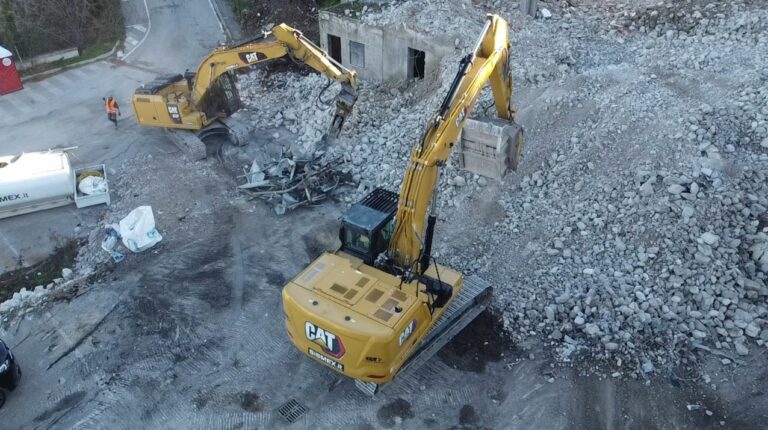
Construction and demolition (C&D) recycling involves the systematic recovery, separation, and processing of materials generated during the construction, renovation, and demolition of buildings, infrastructure, and civil works. These activities produce large volumes of waste, including concrete, wood, metals, masonry, asphalt, insulation, plastics, and other reusable or recyclable materials that would otherwise be disposed of in landfills.
All articles in this market
Construction and Demolition Waste Recycling — page 2 of 3





Promoted videos
Construction and Demolition Waste Recycling in action
Ask the Expert
Ask a construction and demolition waste recycling expert — free
Engineers and product specialists who answer technical questions from readers. The answer comes back to you by e-mail; when we publish it, other readers benefit too.
 Dan Fairest
M&J Recycling
Dan Fairest
M&J Recycling
At M&J Recycling, my role as the UK & ROI Sales Manager centres on providing top-tier shredding solutions tailored to the waste…
Ask a question Xu Xifeng
Jiangsu Keson Environment Technology Co., Ltd.
Xu Xifeng
Jiangsu Keson Environment Technology Co., Ltd.
Xu Xifeng, the founder of Keson and vice president of Jiangsu Low Carbon Environment Design Institute of China. He has been engaged…
Ask a question Laetitia Paveau
Pellenc ST
Laetitia Paveau
Pellenc ST
Laetitia is the Marketing and Communications Director at Pellenc ST. An engineer by training, she has spent over 20 years driving innovation…
Ask a question Daniel Wresnik
UNTHA shredding technology
Daniel Wresnik
UNTHA shredding technology
Daniel Wresnik, Head of Sales and Business Development BU Waste & Recycling in the DACH region at UNTHA, is a proven expert…
Ask a questionMarket & Technology Focus
Construction and Demolition Waste Recycling, in depth in your inbox
Every Thursday edition takes one market or technology in depth. These are the editions on this market — read them online or get the next one by e-mail.
Subscribe to our E-newsletters
Recycling technology worth your time: new equipment, plant case studies and the numbers behind them. Free, twice a week.
Questions and answers
Frequently asked about construction and demolition waste recycling
What happens to construction and demolition debris once it arrives at a recycling facility?
Incoming loads are first inspected and sorted to pull out large contaminants and hazardous materials before mechanical processing begins. Concrete and asphalt are typically crushed and screened separately from wood, metal, and drywall, which are sorted out on picking lines or through mechanical separation equipment. The crushed concrete and asphalt are then graded into recycled aggregate products, while recovered wood, metal, and other materials are baled or stockpiled for their respective end markets.
Why does C&D waste need specialized processing instead of standard landfill disposal?
Demolition debris is bulky and heavy, and concrete and asphalt alone can account for the majority of a project's waste by weight, making landfilling both costly and wasteful when that material can be crushed into usable aggregate instead. Mixed debris also frequently contains materials that shouldn't be landfilled together, like treated wood, metal, and potentially hazardous substances such as asbestos or lead paint from older buildings. Specialized C&D facilities are set up to separate these streams and route each material to the appropriate recycling or disposal pathway.
What materials are typically recovered from C&D waste?
Concrete and asphalt make up the largest recoverable fraction and are crushed into recycled aggregate for use in road base, backfill, and new concrete production. Wood is recovered for mulch, biomass fuel, or engineered wood products, while ferrous and non-ferrous metals like rebar, copper wiring, and aluminum fixtures are pulled out for scrap recycling. Drywall can be recycled into new gypsum board or used as a soil amendment, though it requires separate handling to avoid contaminating other material streams.
What equipment is used to crush and sort C&D material at scale?
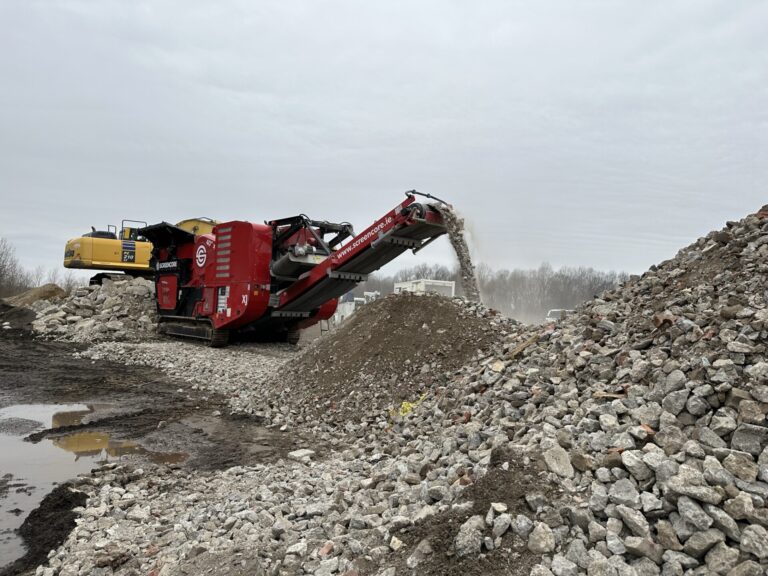
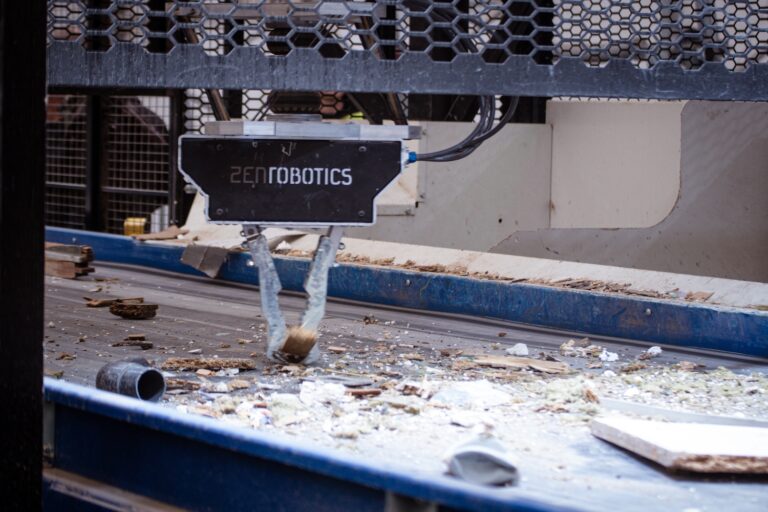
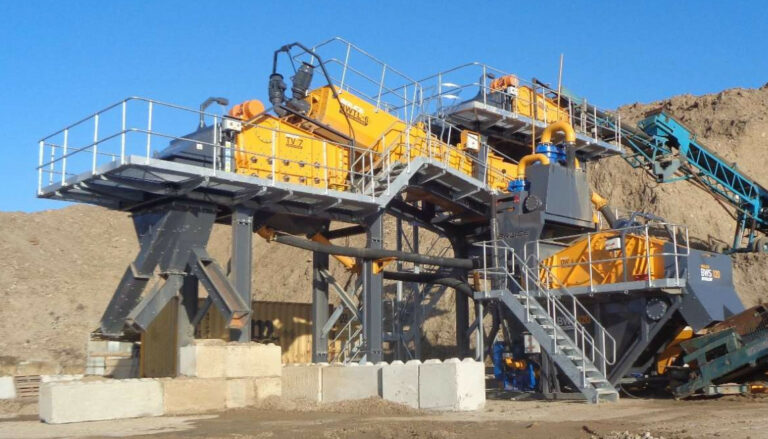
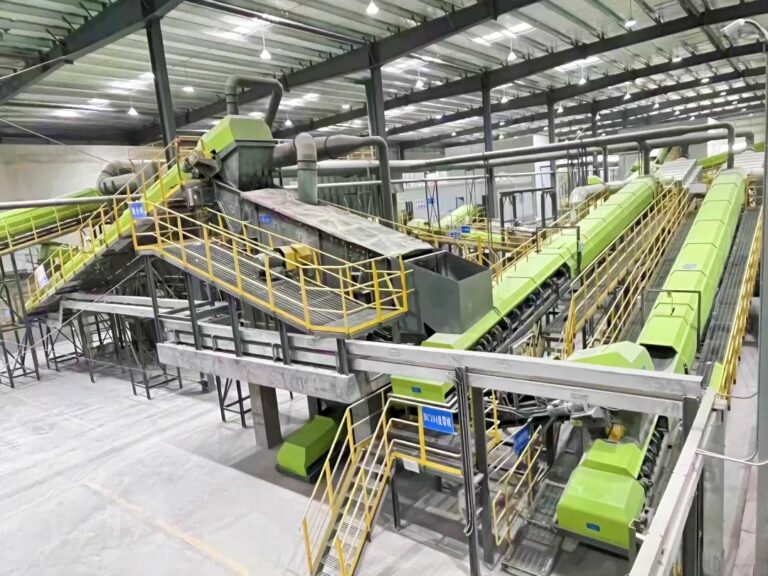
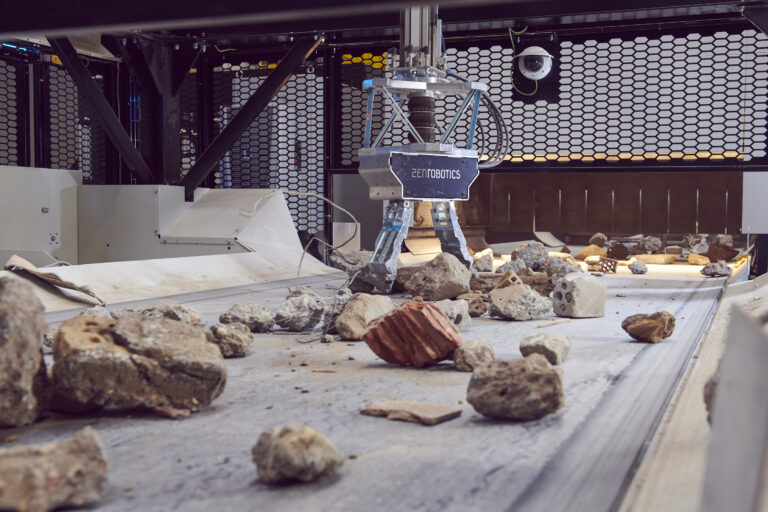
Jaw crushers and impact crushers break down concrete and asphalt rubble into graded aggregate sizes, often paired with screening decks to separate material by particle size. Magnetic separators pull rebar and other ferrous metal out of the crushed concrete stream, while picking lines, either manual or increasingly assisted by optical and AI-based sorting systems, separate wood, plastics, and other lighter materials. Mobile crushing and screening units are also common on larger demolition sites, allowing concrete to be processed and reused on-site rather than hauled to an off-site facility.
How does contamination from mixed demolition debris complicate recycling?
When a building is demolished rather than carefully deconstructed, materials end up mixed together in ways that are labor-intensive and costly to separate afterward, lowering the purity and value of the recovered streams. Drywall contamination in concrete rubble, for example, can introduce sulfates that weaken recycled aggregate, while painted or treated wood mixed with clean wood can render an entire load unsuitable for higher-value recycling. Hazardous legacy materials like asbestos insulation or lead-based paint, common in older buildings, require testing and remediation before the rest of the debris can even be processed.
What's the difference between deconstruction and demolition when it comes to material recovery?
Demolition typically involves mechanically knocking down a structure quickly, which is efficient but mixes materials together and reduces how much can be recovered at high value afterward. Deconstruction takes a slower, often partly manual approach that selectively removes fixtures, lumber, and fittings before the structure comes down, preserving materials in a condition suitable for reuse rather than just downcycling. Deconstruction generally costs more in labor but can significantly increase material recovery rates and divert far more waste from landfill.
What is recycled aggregate used for once it's processed?
Crushed and graded recycled concrete aggregate is commonly used as road base, fill material, and drainage stone, and in some applications it can replace a portion of virgin aggregate in new concrete mixes. Reclaimed asphalt pavement is widely reincorporated into new asphalt production, reducing the amount of virgin bitumen and stone needed. Specifications for using recycled aggregate vary by application and jurisdiction, so material is typically tested for gradation and contamination before being sold into these markets.
What regulations or certifications influence C&D waste recycling?
Many municipalities have adopted C&D waste diversion mandates that require a minimum percentage of demolition debris to be recycled rather than landfilled, particularly for larger commercial projects. Green building certification programs such as LEED award credits for diverting construction waste and using recycled content materials, which incentivizes contractors to work with certified recycling facilities. Hazardous materials like asbestos remain subject to strict abatement and disposal regulations that operate separately from standard C&D recycling requirements.
Can all C&D materials be recycled the same way, or are there exceptions?
No — asbestos-containing materials, lead-based paint, and other legacy hazardous substances found in older buildings must be identified, abated, and disposed of through regulated hazardous waste channels rather than standard C&D recycling. Treated and painted wood can also disqualify a load from clean wood recycling streams because the chemicals involved make it unsuitable for mulch or biomass fuel. Composite materials like laminated products or certain insulation types are often difficult or uneconomical to separate, and end up in the non-recoverable residual fraction.
What trends are shaping the construction and demolition recycling market?
Rising landfill tipping fees and diversion mandates in many regions are pushing contractors toward deconstruction and on-site material separation earlier in the project rather than relying entirely on downstream sorting. Mobile crushing units are letting projects process and reuse concrete directly on-site, cutting hauling costs and emissions. There's also growing use of AI-assisted optical sorting to improve recovery rates from mixed debris, alongside increased demand from the building industry for recycled content in new concrete and asphalt as part of broader circular construction goals.
How do I find an equipment manufacturer for construction and demolition waste recycling?
Use the Manufacturers Directory A–Z or the Equipment Guide. Partner profiles carry direct contact details; other listings link to the company website.
Can I ask a technical question before I buy?
Yes. Ask the Expert puts your question to a field expert active in Construction and Demolition Waste Recycling. The answer comes back to you by e-mail; when we publish it, other readers benefit too.