


Market
Battery Recycling
Battery recycling is the process of safely collecting and reprocessing used batteries to recover valuable materials and prevent environmental harm. Batteries contain metals like lead, lithium, nickel, and cobalt, which are non-renewable resources and can be toxic if not managed properly. Recycling helps extract these materials for reuse, reducing the need for new mining and minimizing the risk of soil and water contamination.
All articles in this market
Battery Recycling — page 1 of 1




Ask the Expert
Ask a battery recycling expert — free
Engineers and product specialists who answer technical questions from readers. The answer comes back to you by e-mail; when we publish it, other readers benefit too.
 Laetitia Paveau
Pellenc ST
Laetitia Paveau
Pellenc ST
Laetitia is the Marketing and Communications Director at Pellenc ST. An engineer by training, she has spent over 20 years driving innovation…
Ask a question Tom Jansen
TOMRA Recycling
Tom Jansen
TOMRA Recycling
With more than 20 years of experience in sensor-based sorting technologies, Tom Jansen is VP, Head of Segments at TOMRA Recycling, where…
Ask a question Mario Vazquez
CM Shredders
Mario Vazquez
CM Shredders
Mario Vazquez is the Sales & Marketing Director at CM Shredders and a specialist in tire recycling, industrial size reduction, and alternative-fuel…
Ask a questionMarket & Technology Focus
Battery Recycling, in depth in your inbox
Every Thursday edition takes one market or technology in depth. These are the editions on this market — read them online or get the next one by e-mail.
Subscribe to our E-newsletters
Recycling technology worth your time: new equipment, plant case studies and the numbers behind them. Free, twice a week.
Questions and answers
Frequently asked about battery recycling
What happens to a battery once it enters the recycling stream?
The process depends heavily on chemistry: lead-acid batteries are typically broken in a hammer mill and the lead, plastic, and acid are separated by gravity and flotation, while lithium-ion batteries are discharged, dismantled or shredded under controlled conditions, and processed into black mass for further metal recovery. Alkaline and nickel-based batteries usually go through mechanical separation to recover steel, zinc, and manganese fractions.
Why does battery chemistry matter so much for how a battery is recycled?
Lead-acid, lithium-ion, and alkaline batteries each carry different physical and chemical hazards, so mixing them in the same process stream can be dangerous and reduces recovery quality. A damaged or improperly discharged lithium-ion cell can go into thermal runaway if crushed or shorted, which is why facilities sort by chemistry before shredding, dismantling, or smelting.
What is thermal runaway and why is it a concern in lithium-ion battery recycling?
Thermal runaway is a self-sustaining, rapid overheating reaction that can occur when a lithium-ion cell is punctured, crushed, overcharged, or short-circuited, releasing heat and flammable gases faster than it can dissipate. Recycling facilities handling lithium-ion batteries use fire-suppression systems, controlled discharge steps, and sometimes inert atmospheres during shredding specifically to prevent a damaged cell from triggering a chain reaction across a storage pile.
What is black mass, and why is it central to lithium-ion battery recycling?
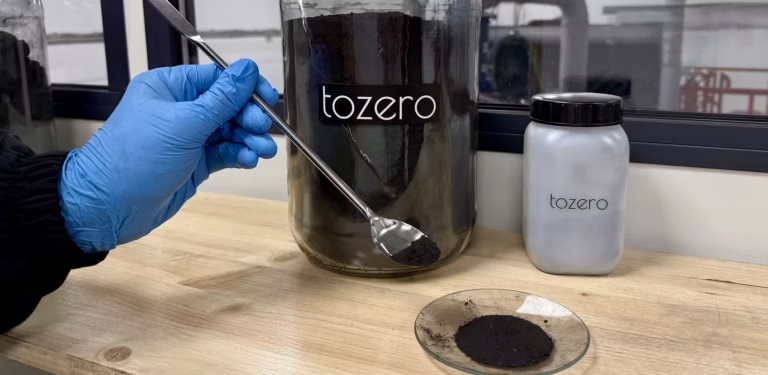
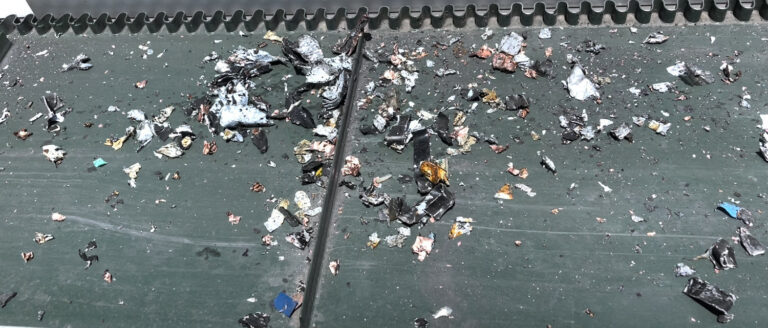
Black mass is the powdery mix of cathode and anode material, primarily containing cobalt, nickel, lithium, and manganese, that remains after a lithium-ion battery is shredded and the casing, plastics, and copper or aluminum foils are removed. It's the feedstock that goes on to hydrometallurgical or pyrometallurgical recovery, where the individual metals are extracted and refined for reuse in new battery cells.
What's the difference between hydrometallurgical and pyrometallurgical battery recycling?
Pyrometallurgical recovery smelts black mass or shredded battery material at high temperature to recover metals like cobalt and nickel as an alloy, but it consumes more energy and tends to lose lithium and manganese to the slag. Hydrometallurgical recovery instead uses acid leaching and chemical separation at lower temperatures to extract a broader range of metals, including lithium, at generally higher purity, though it requires careful management of the process chemicals and wastewater involved.
What materials are recovered from a typical battery recycling process?
From lead-acid batteries, facilities recover lead, polypropylene casing plastic, and sulfuric acid, which is often neutralized or converted to sodium sulfate for reuse. From lithium-ion and nickel-based batteries, recovery targets cobalt, nickel, lithium, manganese, copper, and steel, most of which can go back into new battery cathodes or general metal markets.
What regulations apply to collecting, shipping, and recycling batteries?
In the US, spent batteries are regulated under the EPA's Universal Waste Rule for common types like lead-acid, and under DOT hazardous materials regulations when lithium-ion batteries are shipped, since damaged or bulk lithium cells are classified as dangerous goods for transport. Many regions also operate extended producer responsibility schemes that require battery manufacturers or importers to fund collection and recycling infrastructure, such as the EU's Battery Regulation.
Can all types of batteries be recycled through the same process?
No — lead-acid, alkaline, nickel-cadmium, nickel-metal hydride, and lithium-ion batteries each require different collection streams and processing lines because of differences in voltage, chemistry, and hazard profile. Mixed or unsorted battery loads, damaged cells, and batteries with swollen or leaking casings are particular contamination risks that can force an entire batch into more costly hazardous handling.
What are the environmental and economic benefits of recycling batteries properly?
Proper battery recycling keeps lead, cadmium, and electrolyte chemicals out of landfills and groundwater, while recovering critical metals like cobalt, nickel, and lithium reduces reliance on virgin mining for new battery production. Because these metals carry real market value, high-purity recovery streams — particularly hydrometallurgically recovered lithium-ion metals — can offset a meaningful share of recycling costs compared to disposal.
What trends are shaping the battery recycling market as EV and grid storage volumes grow?
Rising volumes of end-of-life electric vehicle and grid-storage lithium-ion batteries are pushing investment into larger hydrometallurgical recovery capacity and better automated sorting to separate chemistries before shredding. There's also growing interest in direct cathode recycling methods that aim to preserve and reuse cathode material structure rather than fully breaking it down to base metals, which could reduce energy use and reprocessing costs.
How do I find an equipment manufacturer for battery recycling?
Use the Manufacturers Directory A–Z or the Equipment Guide. Partner profiles carry direct contact details; other listings link to the company website.
Can I ask a technical question before I buy?
Yes. Ask the Expert puts your question to a field expert active in Battery Recycling. The answer comes back to you by e-mail; when we publish it, other readers benefit too.