


Market
Glass Recycling
Glass is a durable and versatile material made primarily from natural resources such as sand, soda ash, and limestone. Its transparency, strength, and chemical stability make it suitable for a wide range of applications, including packaging, construction, and household products. Because it can be reused without loss of quality, glass recycling plays a key role in sustainable manufacturing systems.
All articles in this market
Glass Recycling — page 1 of 3




Promoted videos
Glass Recycling in action
Ask the Expert
Ask a glass recycling expert — free
Engineers and product specialists who answer technical questions from readers. The answer comes back to you by e-mail; when we publish it, other readers benefit too.
 Mario Vazquez
CM Shredders
Mario Vazquez
CM Shredders
Mario Vazquez is the Sales & Marketing Director at CM Shredders and a specialist in tire recycling, industrial size reduction, and alternative-fuel…
Ask a question Laetitia Paveau
Pellenc ST
Laetitia Paveau
Pellenc ST
Laetitia is the Marketing and Communications Director at Pellenc ST. An engineer by training, she has spent over 20 years driving innovation…
Ask a question Tom Jansen
TOMRA Recycling
Tom Jansen
TOMRA Recycling
With more than 20 years of experience in sensor-based sorting technologies, Tom Jansen is VP, Head of Segments at TOMRA Recycling, where…
Ask a questionMarket & Technology Focus
Glass Recycling, in depth in your inbox
Every Thursday edition takes one market or technology in depth. These are the editions on this market — read them online or get the next one by e-mail.
Subscribe to our E-newsletters
Recycling technology worth your time: new equipment, plant case studies and the numbers behind them. Free, twice a week.
Questions and answers
Frequently asked about glass recycling
What happens to glass once it's collected for recycling?
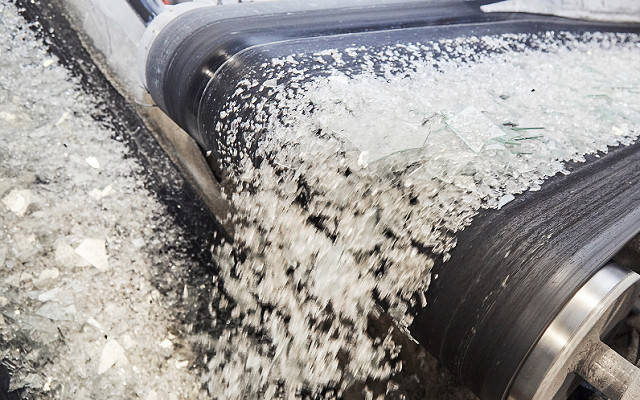
Collected glass is trucked to a processing facility where it's first screened to remove large contaminants like caps, labels, and non-glass debris, then crushed into smaller pieces to make color sorting and further cleaning easier. From there it passes through optical sorters and screens that separate it by color and remove remaining contaminants before the cleaned cullet is shipped to a glass container manufacturer or used as an aggregate substitute.
Why does glass need to be sorted by color before it can be recycled into new containers?
Flint, amber, and green glass each contain different mineral additives that give them their color, and mixing colors produces cullet a container manufacturer can't sell as a specific color, so most glass-to-glass recycling requires the material to be separated by color first. Color-sorted cullet also melts more predictably in a furnace, letting manufacturers precisely control the mix of new raw materials and recycled glass in each batch to hit a target color and clarity.
What contamination problems make glass recycling harder than it sounds?
Ceramics, stoneware, drinking glasses, and heat-resistant glass like Pyrex have different chemical compositions and melting points than container glass, and even small amounts mixed into a furnace batch can create defects or weak spots in new bottles and jars. Window glass and mirrors also carry different additives and coatings, and single-stream curbside collection, where glass rides alongside paper, plastic, and metal in the same bin, tends to shatter bottles and mix in these incompatible materials, which is a major reason recovery rates for furnace-ready cullet are lower in single-stream systems than in source-separated collection.
What equipment processes glass at a dedicated glass processing facility?
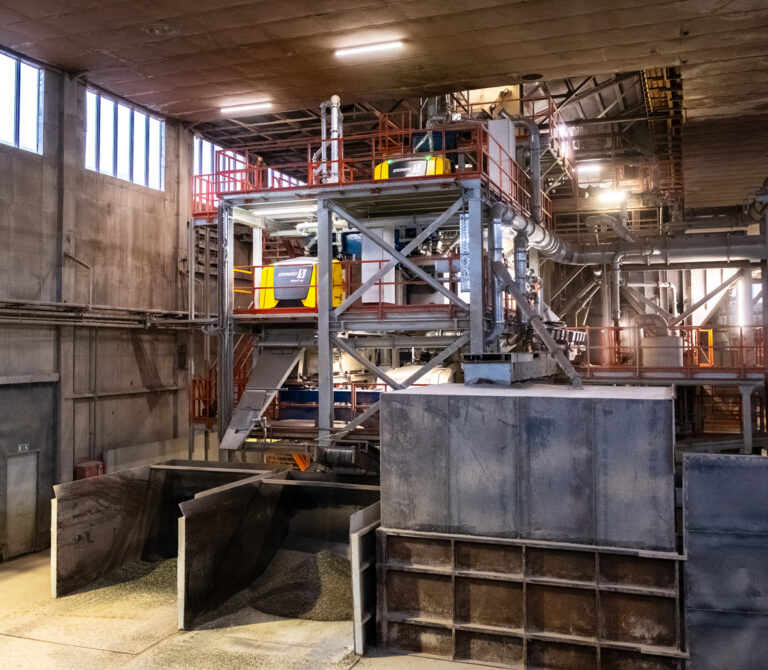
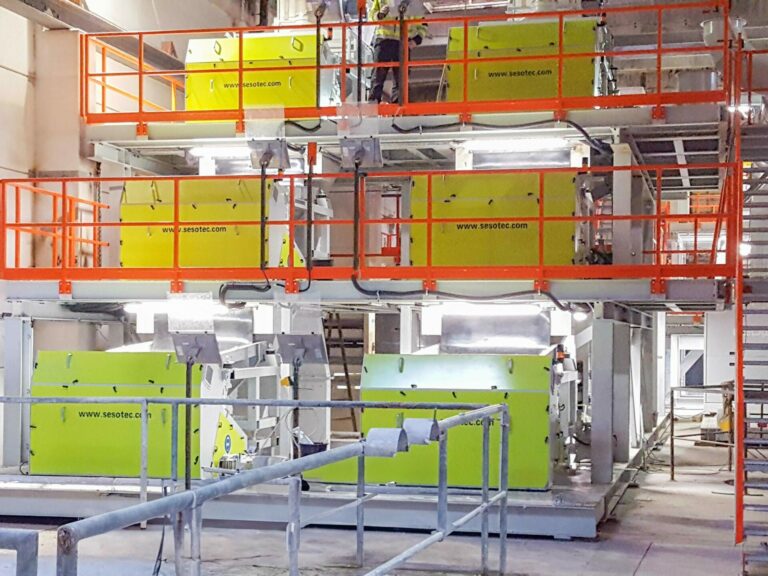
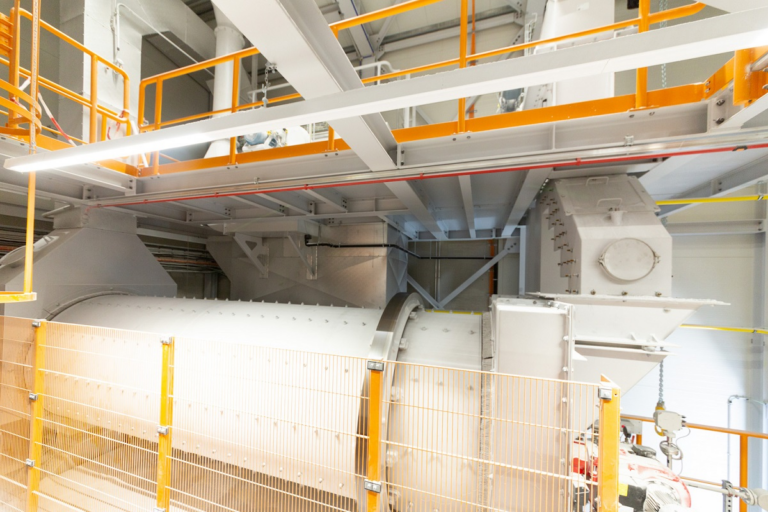
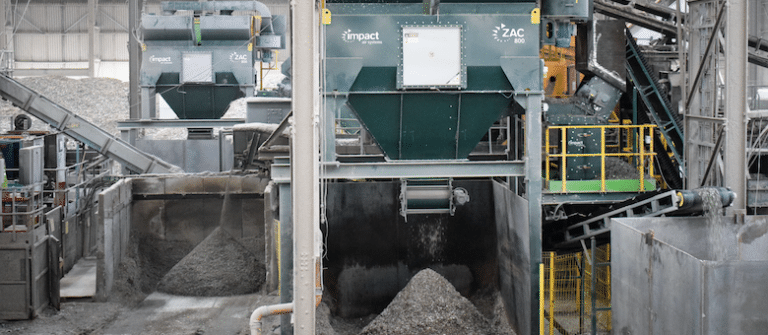
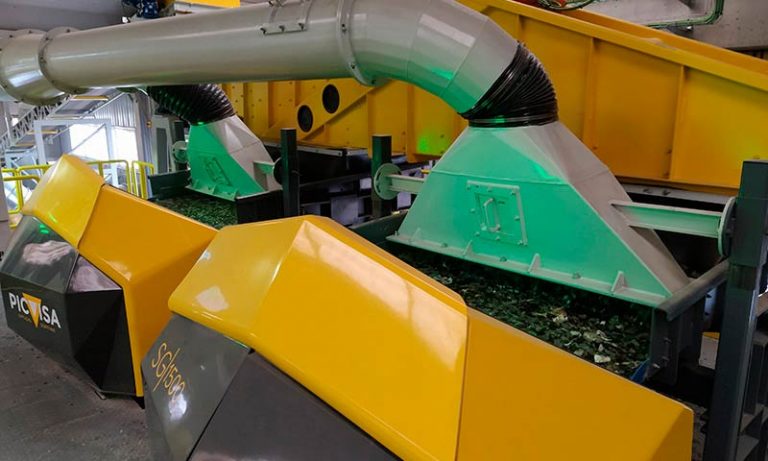
Crushers and hammermills break incoming glass down into cullet-sized pieces, and vibrating screens remove fine contaminants like grit and broken ceramic fragments. Optical color sorters use high-speed cameras and air jets to separate flint, amber, and green glass, while magnetic separators and eddy current separators pull out any metal lids or rings that made it through initial screening.
What is cullet, and why does it matter to glass manufacturers?
Cullet is crushed, recycled glass that's clean and sorted enough to be melted down and combined with virgin raw materials such as sand, soda ash, and limestone to make new glass containers. Because cullet melts at a lower temperature than raw batch materials, adding it to a furnace charge reduces the energy needed to melt the mix, and every ton of cullet used is a ton less of virgin raw material that needs to be mined and transported.
Can all recovered glass go back into new bottles and jars, or does some of it end up as aggregate?
Not all of it. Clean, color-sorted cullet that meets a manufacturer's furnace-ready specification goes back into closed-loop glass-to-glass recycling, while mixed-color or contaminated glass that doesn't meet that spec is often downcycled into uses like construction aggregate, fiberglass insulation, or abrasive blasting media instead. Closed-loop recycling is generally preferred because glass can be recycled indefinitely without losing quality, whereas aggregate use, though still diverting material from landfill, doesn't feed back into new container production.
What are the environmental and economic benefits of using cullet instead of virgin raw materials?
Using cullet in the furnace charge cuts energy consumption because it melts at a lower temperature than raw sand, soda ash, and limestone, which directly reduces fuel use and associated carbon emissions at the glass plant. It also reduces the need for virgin material extraction and lowers landfill volume, and because cullet is generally cheaper than virgin raw materials, a steady supply of quality cullet helps manufacturers control production costs.
What standards or specifications govern the quality of recycled container glass?
Glass container manufacturers typically set furnace-ready cullet specifications covering allowable contamination levels for ceramics, stones, metal, and other glass colors, since even trace contamination can cause visible defects in finished containers. Processors and haulers work to these specifications, and jurisdictions with container deposit or bottle bill laws tend to see higher-quality, source-separated glass streams because deposit-return glass generally arrives cleaner and better sorted than glass collected in mixed curbside bins.
What happens to glass that's too contaminated or mixed to become new containers?
Instead of being landfilled, most sub-spec glass gets downcycled into secondary uses, such as a substitute for sand or gravel in road base and construction aggregate, raw material for fiberglass insulation, or abrasive media for surface blasting. These uses still keep glass out of the landfill and offset the mining of virgin aggregate materials, even though they don't feed the material back into new glass production.
What trends or technologies are improving how glass gets recovered and sorted?
More communities are shifting food and beverage container collection toward source-separated or dual-stream systems specifically to protect glass quality, since single-stream collection tends to shatter and contaminate it. On the processing side, more advanced optical sorting that combines color cameras with sensors able to detect ceramics and heat-resistant glass by their different light transmission properties is helping facilities pull contaminants out of the cullet stream more precisely than color sorting alone.
How do I find an equipment manufacturer for glass recycling?
Use the Manufacturers Directory A–Z or the Equipment Guide. Partner profiles carry direct contact details; other listings link to the company website.
Can I ask a technical question before I buy?
Yes. Ask the Expert puts your question to a field expert active in Glass Recycling. The answer comes back to you by e-mail; when we publish it, other readers benefit too.