12 Technology Zones for recycling and waste processing, from shredding and sorting to balers, conveying and thermal treatment. Each zone brings together the latest news, product videos and the manufacturers active in it.
22 recycling markets, from plastics, paper and metals to e-waste, end-of-life vehicles and construction waste. Per market: the latest news and the manufacturers that serve it.
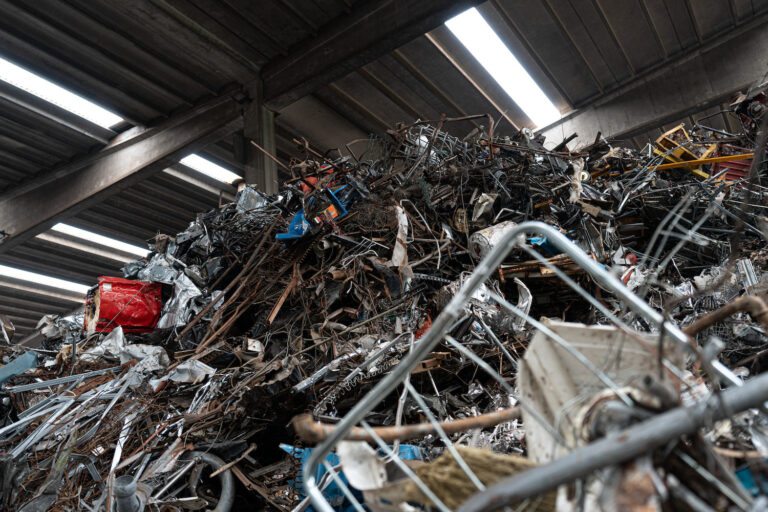
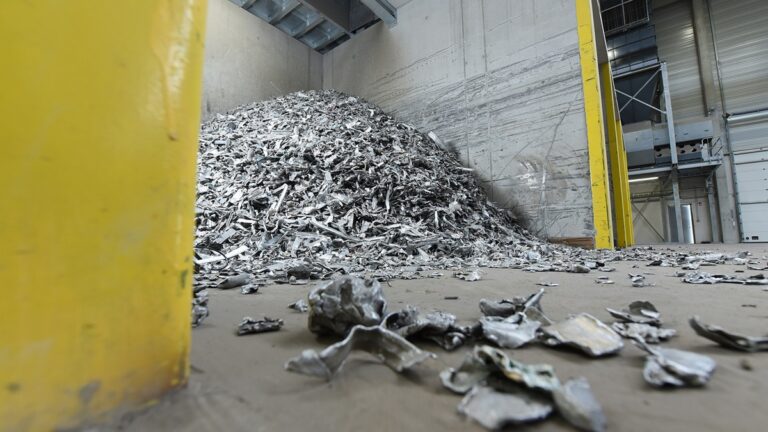
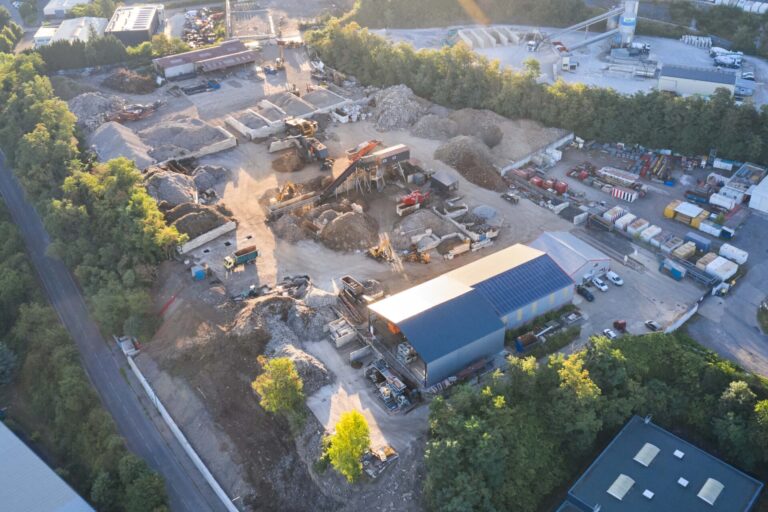
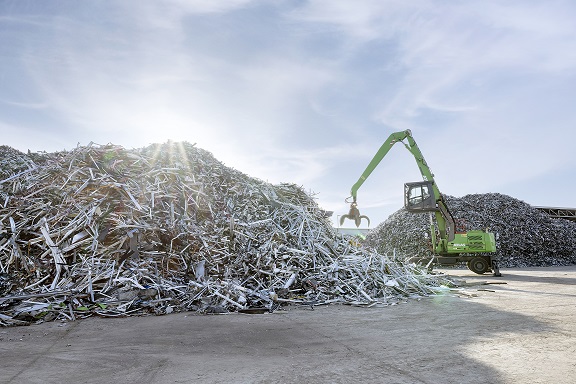
Metals are valuable materials that can be recycled repeatedly without degrading their properties. Scrap metal has value, motivating people to collect it for sale to recycling operations.
Against the backdrop of an advancing global circular economy and a worldwide consensus on low-carbon development, the solid waste treatment industry is accelerating its transition from harmless disposal…
Hello, we are considering how viable both the XRT and XRF technologies in aluminum sorting are, and would like to know the differences between the two…
Engineers and product specialists who answer technical questions from readers. The answer comes back to you by e-mail; when we publish it, other readers benefit too.
Every Thursday edition takes one market or technology in depth. These are the editions on this market — read them online or get the next one by e-mail.
What happens to scrap metal once it enters the recycling stream?
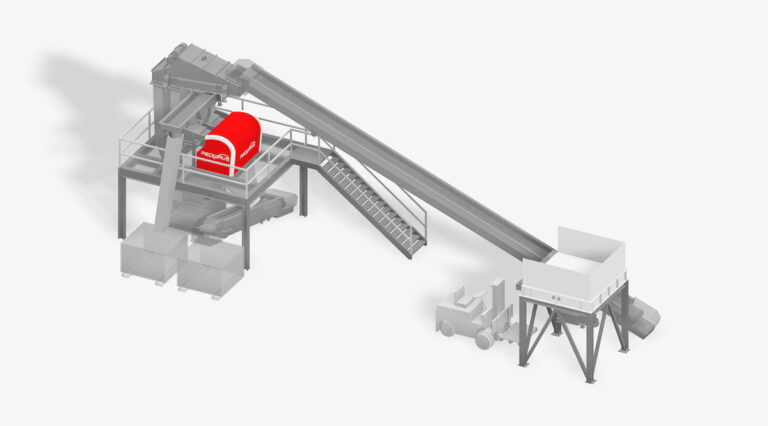
Incoming scrap is first inspected and sorted by category, such as auto bodies, appliances, construction debris, or cans, then sized down in a shredder or shear so it can move through downstream separation equipment. From there, magnetic separators pull out ferrous material while eddy current separators eject aluminum and other non-ferrous metals, and the sorted fractions are baled or granulated before being sold to mills, smelters, or foundries for melting into new metal products.
Why do ferrous and non-ferrous metals need to be separated before they can be processed further?
Ferrous metals like steel and iron melt at different temperatures and behave differently in a furnace than non-ferrous metals like aluminum, copper, and brass, so mixing them would contaminate the melt and produce off-spec metal. Separating them upstream also lets each stream go to the buyer who values it most, since steel mills pay for clean ferrous scrap while aluminum and copper command a premium as relatively pure non-ferrous fractions.
What equipment does the heavy lifting in an industrial scrap processing line?
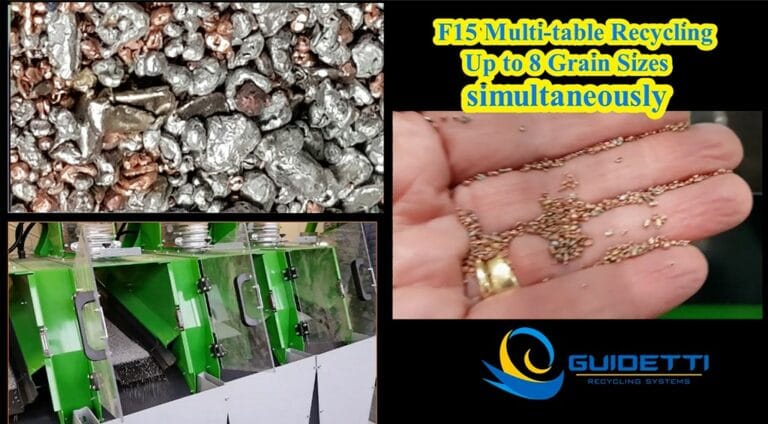
Hydraulic shears and shredders reduce oversized scrap like car bodies and appliances into manageable pieces, after which overband magnets and magnetic drums pull ferrous metal off the conveyor. Eddy current separators use a rotating magnetic field to repel non-ferrous metals like aluminum off the belt, and sensor-based systems such as X-ray transmission (XRT) sorters are increasingly used to separate different non-ferrous alloys, like aluminum from zinc or brass, out of a mixed stream.
What specific metals get recovered, and how is scrap graded for sale?
Recovered material includes carbon steel, stainless steel, cast iron, aluminum, copper, brass, and lead, each graded by purity, size, and source, so that clean copper wire commands a higher price than mixed copper-bearing scrap that requires further processing to separate out insulation and other contaminants. Grading standards, often based on specifications published by organizations like the Institute of Scrap Recycling Industries (ISRI), give buyers and sellers a common language for pricing each grade.
What happens to sorted scrap metal after it leaves the sorting line?
Sorted, graded scrap is sold to mills and smelters, where it's melted in electric arc furnaces for steel or induction and reverberatory furnaces for aluminum and copper, then cast into new billets, ingots, or sheet. Because scrap requires far less energy to melt than virgin ore requires to refine into usable metal, recycled feedstock is now a primary raw material source for many steel and aluminum producers.
What contamination issues affect the quality and value of scrap metal?
Non-metallic attachments such as plastic housings, rubber gaskets, insulation on wire, or oil and coolant residue on automotive parts reduce the purity of a scrap load and can require costly pre-treatment like shredding, wire chopping, or thermal stripping before the metal is furnace-ready. Mixed alloys are another problem, since even small amounts of copper or tin contamination in steel scrap, or the wrong aluminum alloy mixed into a batch, can degrade the mechanical properties of the metal cast from it.
Can all types of scrap metal, from car bodies to electronics to beverage cans, be processed the same way?
No. Auto bodies and heavy appliances typically go through a shredder and downstream separation train, while beverage cans are often processed through dedicated can-sorting and delacquering lines because of their thin gauge and coatings. Electronic scrap needs specialized handling to recover precious and specialty metals like gold, silver, and rare earth elements from circuit boards, and often requires manual disassembly or dedicated e-waste shredding lines to avoid losing that value in a bulk ferrous or non-ferrous stream.
What regulations govern how metals recycling facilities operate?
In the US, scrap yards fall under EPA regulations covering stormwater discharge, used oil and fluid handling, and hazardous waste generated during processing, along with OSHA rules for equipment and worker safety around shredders and shears. The EU regulates end-of-life vehicles and waste electrical and electronic equipment (WEEE) under dedicated directives that set recovery and recycling targets metal processors must help meet.
What are the environmental and economic benefits of recycling metal instead of mining and refining virgin ore?
Producing steel from recycled scrap uses substantially less energy than making it from iron ore, and recycling aluminum uses a small fraction of the energy required to refine it from bauxite, which translates directly into lower greenhouse gas emissions. Metals recycling also avoids the land disturbance and tailings associated with mining, and it supplies domestic mills and foundries with feedstock at a lower and often more stable cost than imported virgin ore.
What trends or emerging technologies are shaping the metals recycling market?
Sensor-based sorting technologies like X-ray transmission (XRT) and laser-induced breakdown spectroscopy (LIBS) are expanding facilities' ability to separate individual alloys rather than just broad ferrous and non-ferrous categories, which increases the value of recovered scrap. Growth in electric vehicles and battery storage is also pushing investment into recovering copper, aluminum, and battery-grade metals like lithium, nickel, and cobalt from end-of-life vehicles and consumer electronics.
How do I find an equipment manufacturer for metals recycling?
Use the Manufacturers Directory A–Z or the Equipment Guide. Partner profiles carry direct contact details; other listings link to the company website.
Can I ask a technical question before I buy?
Yes. Ask the Expert puts your question to a field expert active in Metals Recycling. The answer comes back to you by e-mail; when we publish it, other readers benefit too.
Want to be the expert readers ask?
Field experts get a byline, a company profile and direct questions from readers. Partner packages add product visibility and a place in the Weekly E-Update.
To provide the best experiences, we use technologies like cookies to store and/or access device information. Consenting to these technologies will allow us to process data such as browsing behavior or unique IDs on this site. Not consenting or withdrawing consent, may adversely affect certain features and functions.
Functional
Always active
The technical storage or access is strictly necessary for the legitimate purpose of enabling the use of a specific service explicitly requested by the subscriber or user, or for the sole purpose of carrying out the transmission of a communication over an electronic communications network.
Preferences
The technical storage or access is necessary for the legitimate purpose of storing preferences that are not requested by the subscriber or user.
Statistics
The technical storage or access that is used exclusively for statistical purposes.The technical storage or access that is used exclusively for anonymous statistical purposes. Without a subpoena, voluntary compliance on the part of your Internet Service Provider, or additional records from a third party, information stored or retrieved for this purpose alone cannot usually be used to identify you.
Marketing
The technical storage or access is required to create user profiles to send advertising, or to track the user on a website or across several websites for similar marketing purposes.
Get compact market and technology updates twice a week — with editorial insights and key industry news delivered straight to your inbox. No spam, only practical insights for recycling professionals.
Tuesday: Weekly E-Update (5-minute summary)
Thursday: Market/Technology Focus (in-depth case)
Independent editorial selection — no sales pitches